

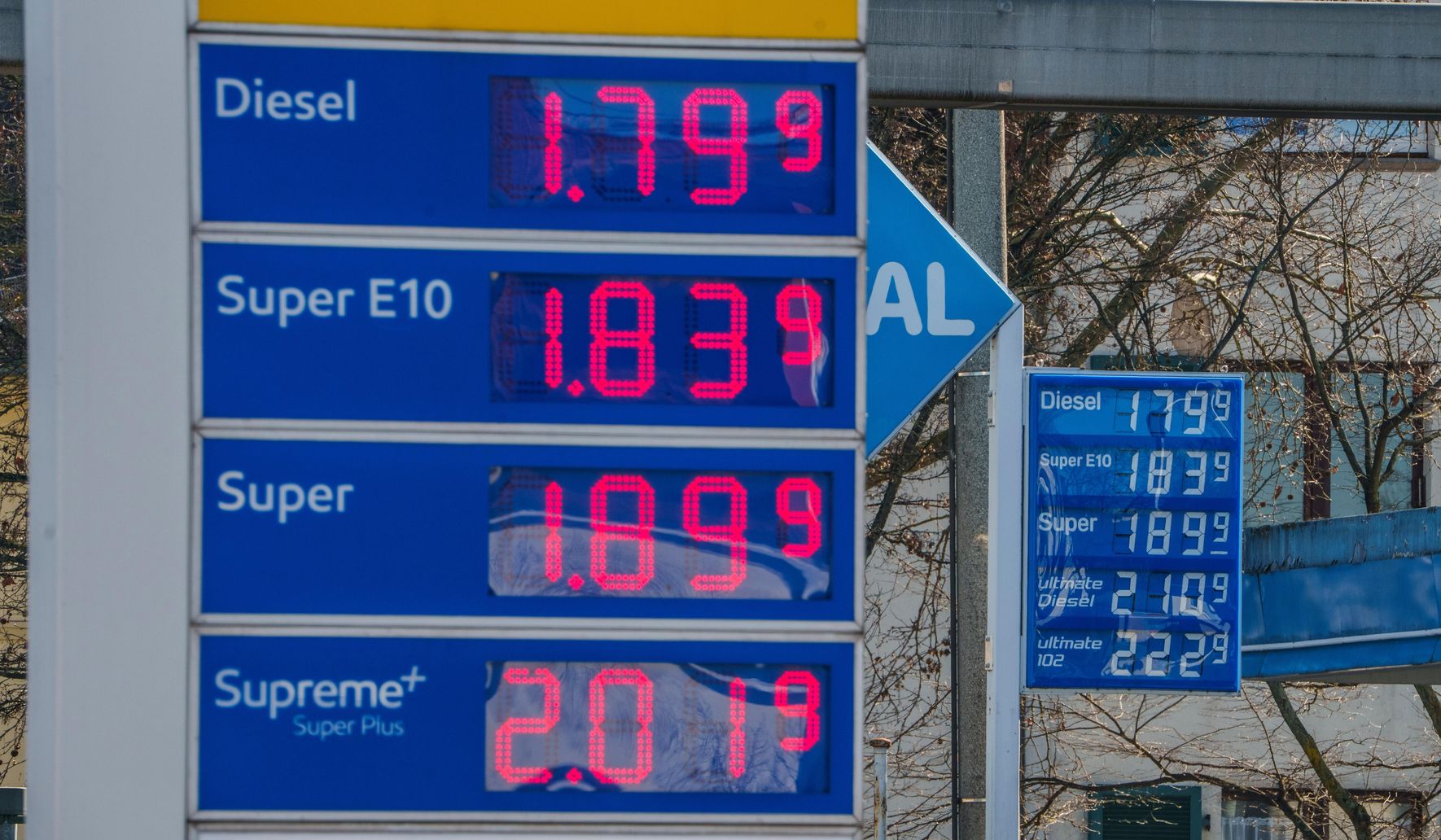
Global energy markets were shaken Monday by an escalation of conflict in the Middle East, with U.S. and Israeli attacks on Iran contributing to sharp increases in crude oil and natural gas prices amid renewed concerns over supply and regional stability.
Markets reacted quickly as traders priced in the risk of wider disruption to shipping lanes and production facilities. Crude and natural gas climbed on the immediate threat to supply chains that already run thin. Investors and policymakers are watching for a sustained impact on energy costs.
The U.S. involvement alongside Israel marks a notable shift in how Washington is responding to Iranian aggression, and it has real economic consequences at home. Republicans see this as a necessary posture to deter further attacks and protect American interests. At the same time, the domestic price shock exposes weaknesses in energy reliance.
Higher energy prices hit working families and small businesses fast, squeezing household budgets and raising input costs across industries. That pressure tends to cascade through the economy, slowing growth and stoking inflation. Lawmakers on the right argue that predictable, affordable domestic energy is the best hedge against foreign turmoil.
From a policy angle, the situation underlines the strategic value of energy independence. Expanding safe domestic production and maintaining robust strategic petroleum reserves are ways to cushion price spikes and blunt leverage from hostile regimes. Republicans point to deregulation, streamlined permitting, and a technology-forward approach as tools to secure supply without sacrificing environmental stewardship.
On the military front, the strikes signal a willingness to take decisive action, which supporters say can prevent a larger conflict down the road. Still, any escalation raises the risk of targeted retaliation against commercial vessels, pipelines, or regional allies. Defenders of a strong response insist this is about deterrence, not adventurism.
Markets will also be watching how allies react and how sanctions or countermeasures affect energy flows. Disruptions could come not only from physical damage but from insurance costs, rerouted tankers, and broader geopolitical uncertainty. That combination can keep prices elevated even if direct damage is limited.
For consumers, the short-term picture is higher pump prices and sticker shock at utility bills, but for policymakers the lesson should be structural: reduce exposure to overseas instability. Policy moves that enhance domestic output and diversify supply sources can blunten future shocks. The debate now is over the balance between security, economics, and regulatory choices.
As events unfold, expect volatility to remain a constant companion for energy traders and for households watching their monthly expenses. The interplay between military decisions and market reactions has returned to the center of political conversation. Those calling for a firm national posture argue that strength abroad buys stability at home.

