

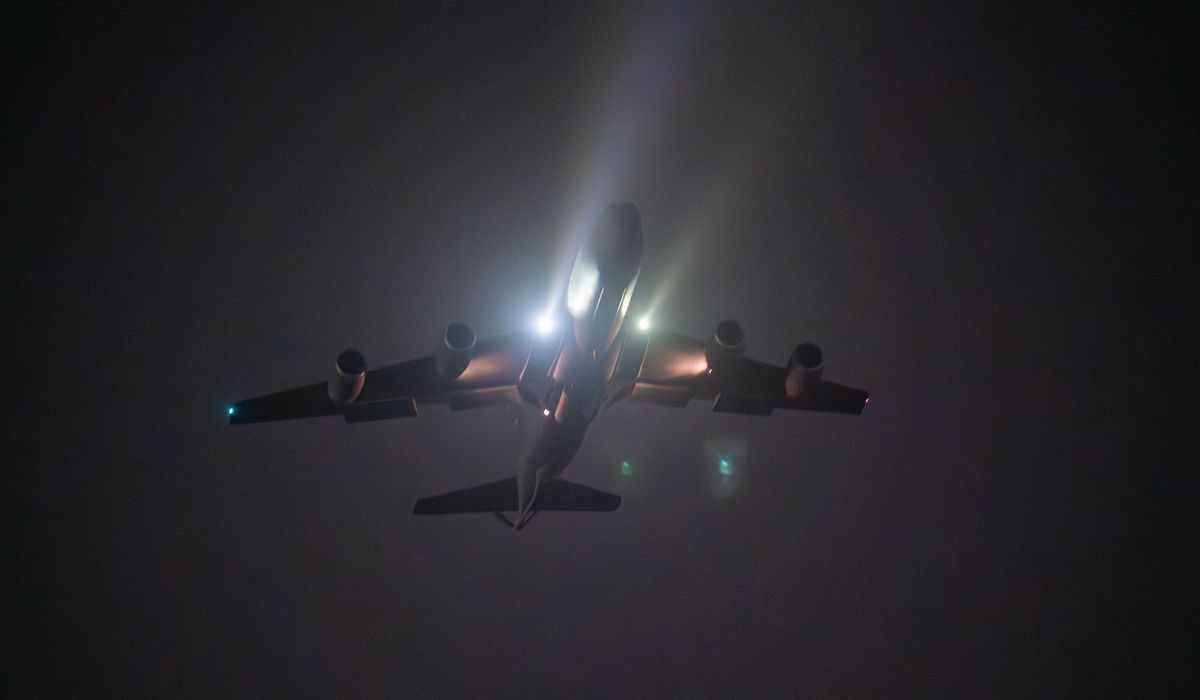
An American military refueling plane went down in Iraq and rescue efforts were underway, U.S. Central Command said Thursday.
The report that an American military refueling plane went down in Iraq and rescue efforts were underway came from U.S. Central Command said Thursday. Military officials confirmed search-and-rescue activity shortly after the aircraft was reported missing. Local authorities and coalition partners were notified as crews moved to the scene.
Rescue teams often combine air and ground assets when responding to incidents of this kind, and witnesses described seeing multiple support aircraft in the area. Emergency responders worked to establish secure perimeters and assess any immediate hazards, including fuel leaks or fires. The situation remained fluid as teams coordinated their next steps.
Refueling aircraft are a visible and vital part of air operations, providing fuel to fighters, transports, and intelligence planes on extended missions. Losing one of these tankers disrupts operational patterns and can complicate ongoing sorties that rely on midair refueling. Military planners typically reroute missions and activate contingency tankers while search crews focus on survivors and wreckage.
U.S. Central Command said Thursday that rapid notification procedures were followed and that U.S. personnel were engaged in the response. Officials emphasized that the immediate priority was saving lives and securing the site. Investigations to determine what happened would follow once rescue operations finished and conditions allowed.
On-the-ground conditions in Iraq can pose unique challenges for rescue work, including weather, terrain, and nearby civilian populations. Responders must balance haste with caution to avoid additional casualties or interference with recovery efforts. Coordination with Iraqi forces helps manage those challenges and ensures that both nations’ responders operate safely.
Families of crew members, whether U.S. military or civilian contractors, face uncertainty and anxiety while rescue teams carry out operations. Military public affairs channels typically provide periodic updates to avoid misinformation and maintain accountability. Support services are normally readied to assist relatives and friends as information becomes available.
Aircraft mishaps trigger multi-step investigations that look at maintenance records, flight data, and communications logs to piece together a timeline. Safety investigators will also review weather reports, airspace traffic, and any maintenance actions taken before the mission. That process can take time, but it aims to identify lessons that reduce future risks.
Regional leaders and allied militaries often offer assistance in such situations, whether through additional search-and-rescue teams or humanitarian support for affected communities. Local cooperation can speed recovery and help protect civilians near the incident site. Sharing resources and information is a routine part of crisis response in areas with international military operations.
Public statements are generally measured in the first hours and days after an incident to protect ongoing operations and the integrity of the investigation. Authorities frequently avoid speculative comments until facts are confirmed and survivors are accounted for. Once the immediate response phase ends, more detailed briefings usually follow.
Safety and accountability become central themes as the response shifts into recovery and analysis, with commanders focusing on lessons learned. Military logisticians and safety officers will examine whether procedures or equipment changes are necessary to mitigate future incidents. The goal is to preserve mission capability while honoring the people affected by the event.

