

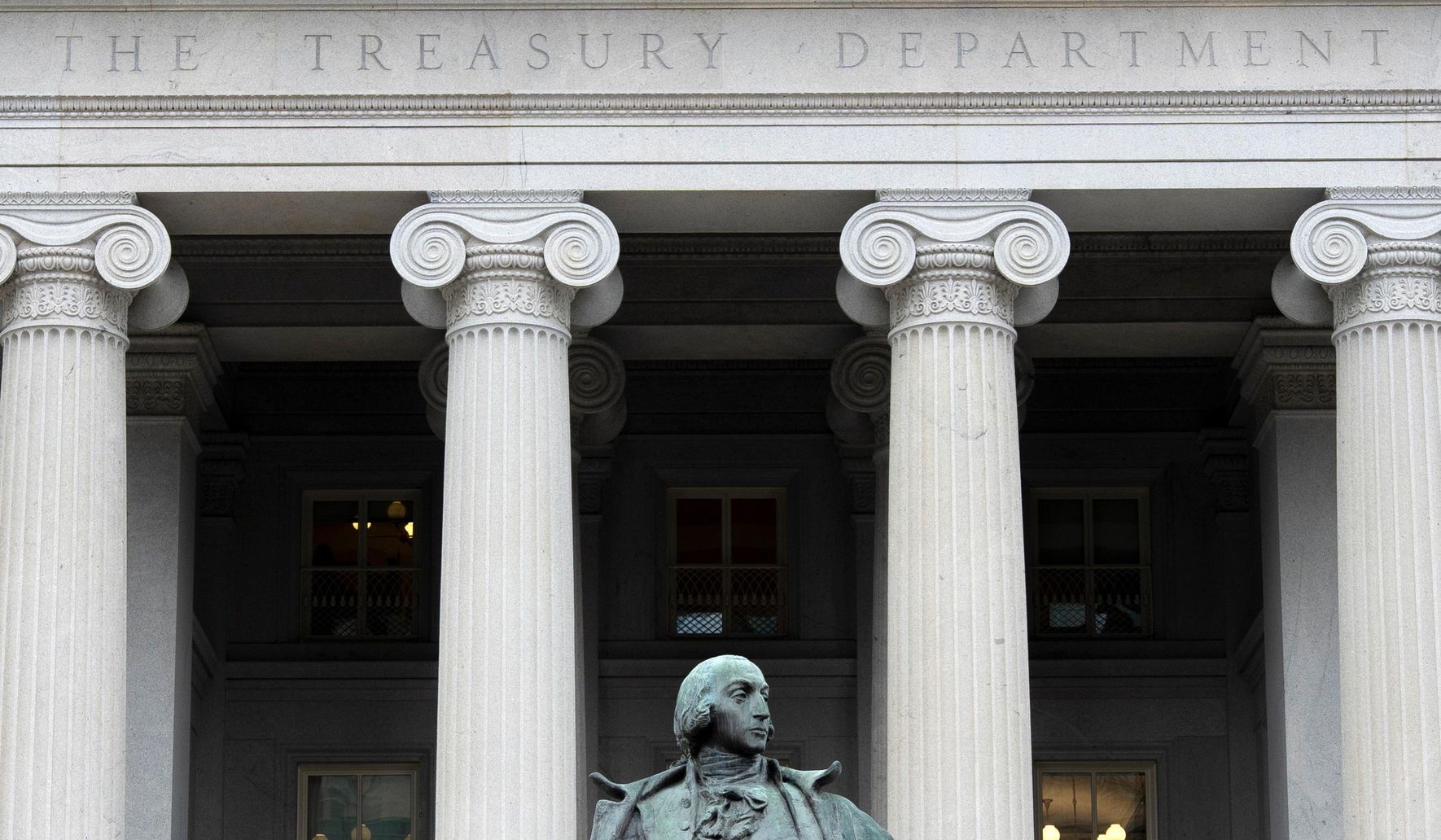
Federal payouts jumped at the start of the fiscal year, and the brief shutdown did little to slow the flow of money.
“The government shutdown didn’t seem to do much to slow the pace of federal spending, as Uncle Sam kicked off the new fiscal year with a sharp rise in payouts for the month of October.” That sentence sits at the center of this moment: a sharp uptick in outlays that followed a short stop in Washington. For conservatives watching the ledger, it feels like business as usual — pause the headlines, not the checks. The optics are bad for anyone who wanted fiscal restraint.
The October spike didn’t arrive in a vacuum; it followed months of rising baseline obligations that keep compounding. Large mandatory programs and standing commitments already set the majority of federal spending, so a short-term stopgap rarely changes the long-term trajectory. When discretionary cuts are debated, they often hit programs with direct constituent benefits while mandatory spending continues to expand. That structural reality is why conservatives argue for deeper, systemic reforms rather than temporary freezes.
From a Republican perspective, the key problem is predictable: Congress and the White House can posture over shutdowns while the balance sheet keeps growing. Political standoffs make for dramatic news cycles but rarely alter entitlement growth or contractual outlays. Meanwhile taxpayers shoulder the bill for both the spending and the political theater. The public deserves a budget process that actually constrains spending instead of theatrics that leave the underlying dynamics intact.
There’s also an accountability gap when payouts surge despite interruptions in appropriations. Agencies still find ways to obligate funds, transfer projects, or draw down prior year balances, and that flexibility can undermine the intent of fiscal controls. Republicans argue those loopholes should be tightened so a funding pause produces real consequences for future obligations. Without such safeguards, a shutdown is just a headline without a budgetary impact.
Budget discipline isn’t only about headline totals; it’s about prioritizing limited dollars and getting better value for taxpayers. Conservatives push for reforms like caps on discretionary spending, entitlement reform to slow automatic growth, and clearer linkages between authorizations and appropriations. Those tools are meant to shift the conversation from short-term brinkmanship to durable changes in how Washington spends. When spending becomes the default, policy becomes reactive instead of strategic.
There’s also a messaging challenge: voters expect leaders to protect core services while trimming waste and abuse. Lawmakers who prioritize restraint need to explain which programs they would defend and which they would reform. Being honest about trade-offs is politically uncomfortable, but avoiding that honesty leads to the steady expansion that produced the October jump. Conservatives see transparency about priorities as essential to rebuilding fiscal trust.
Finally, the institutional fixes matter. Reforming the budget calendar, reining in emergency-spending designations, and increasing oversight of agency obligation practices would make funding disruptions more meaningful. That kind of reform requires political courage and bipartisan buy-in, but it also reflects a long-term conservative goal: shifting Washington from autopilot spending to disciplined stewardship. The October payout surge is another reminder that surface-level fights don’t change underlying incentives or spending trajectories.

