

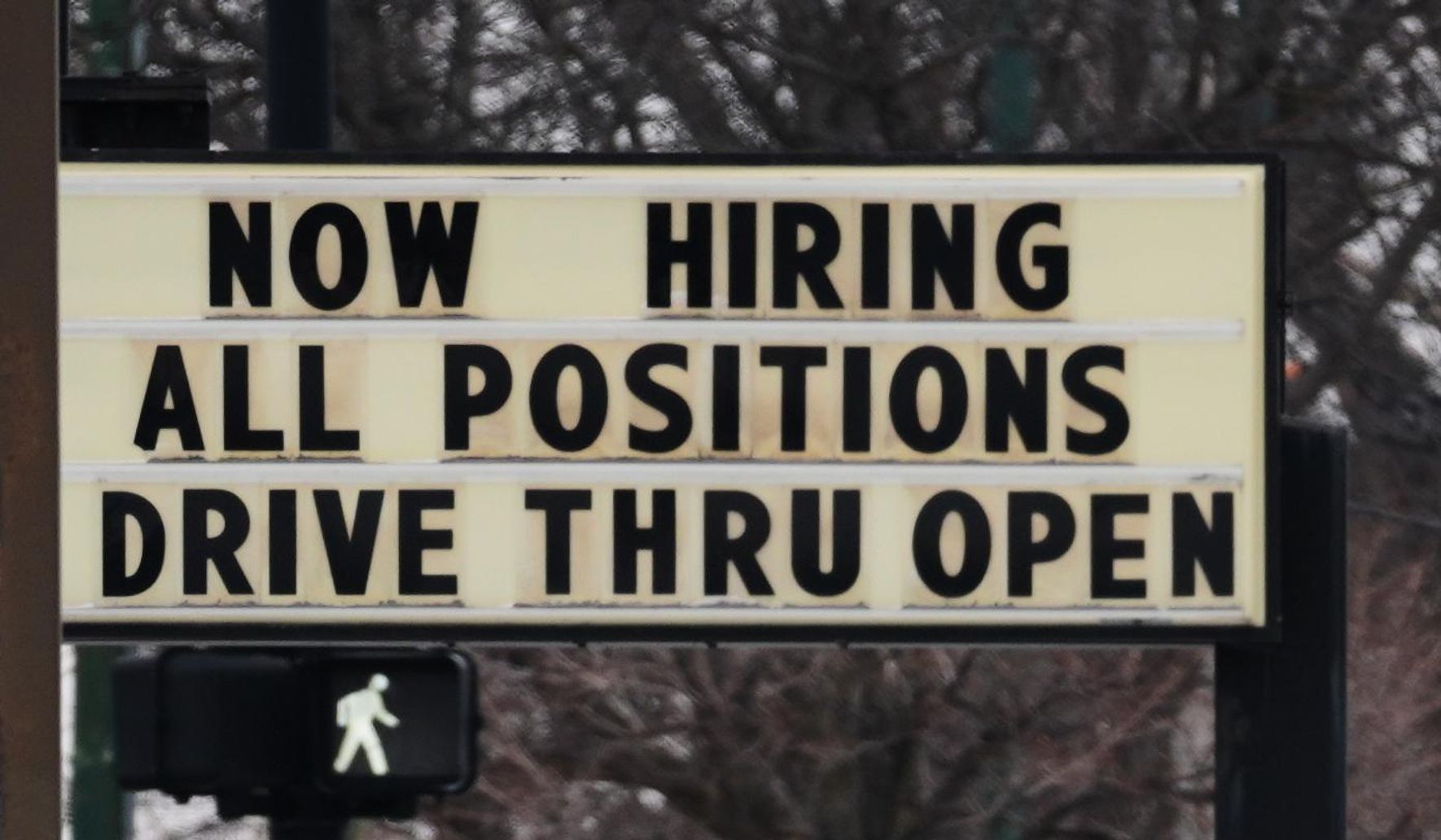
Slight uptick in weekly unemployment claims, while layoffs stay at relatively healthy levels.
Last week saw a small rise in the number of Americans filing for unemployment benefits, a nudge that caught attention without sounding an alarm. The uptick was modest and came against a backdrop where layoffs overall are still at relatively healthy levels. That mix suggests the labor market is adjusting rather than collapsing. Observers are watching closely for whether this is noise or the start of a trend.
Weekly jobless claims are a snapshot, not the full movie, and they can move for many reasons from seasonal hiring patterns to one-off company restructurings. A single weekly increase does not automatically mean widespread trouble, especially when long-term indicators remain steady. Employers continue to hire in many sectors even as some firms trim staff to manage costs. The result is a patchwork labor market showing both resilience and pockets of strain.
Some industries that expanded rapidly during the pandemic have slowed, prompting targeted layoffs and fewer openings in those corners of the economy. Tech and a few service subsectors have been the most visible examples, where firms recalibrated headcounts after aggressive growth. Meanwhile, other areas like healthcare and local services still show steady demand for workers. That unevenness helps explain why headline unemployment measures can feel out of sync with what people see in their communities.
Geography matters too, with certain regions feeling a sharper impact from job cuts while others keep adding payrolls. Big metropolitan areas that depend on specific industries can swing faster than more diversified labor markets. Rural and smaller metro regions often move at a different pace entirely. Because of those local differences, national numbers can mask real stress for workers in particular places.
Wage dynamics play into the picture as well. Employers balancing cost controls against the need to attract talent have pushed and pulled on pay and benefits. In tight pockets of the labor market, wages remain competitive, keeping turnover low and vacancies filled. In softer spots, employers may rely more on automation or contract labor, which changes the mix of available jobs without always showing up in unemployment statistics.
For workers, this environment means being strategic about choices. Job seekers should weigh stability, benefits, and career trajectory, not just headline pay. Upskilling and targeted training can open doors in growing fields, while networking and local labor market knowledge help identify opportunities that national reports overlook. Employers, meanwhile, need to match hiring practices to real demand rather than broad macro narratives.
Policy makers and analysts will parse the small rise in claims to decide whether intervention or adjustment is needed. Fiscal and monetary policies can influence hiring, but their effects take time to show up in the labor market. Short-term shifts in weekly claims rarely justify big policy shifts on their own. Still, repeated increases over several weeks would prompt a different, more urgent response.
In the meantime, the modest increase in applications for benefits should be viewed through the lens of an economy that is neither overheating nor breaking down. Labor markets evolve, and occasional bumps are part of that process. Keeping an eye on continuing claims, job openings, and wage trends will give a clearer picture than any single data point. For now, the story is one of adjustment, not collapse.

