

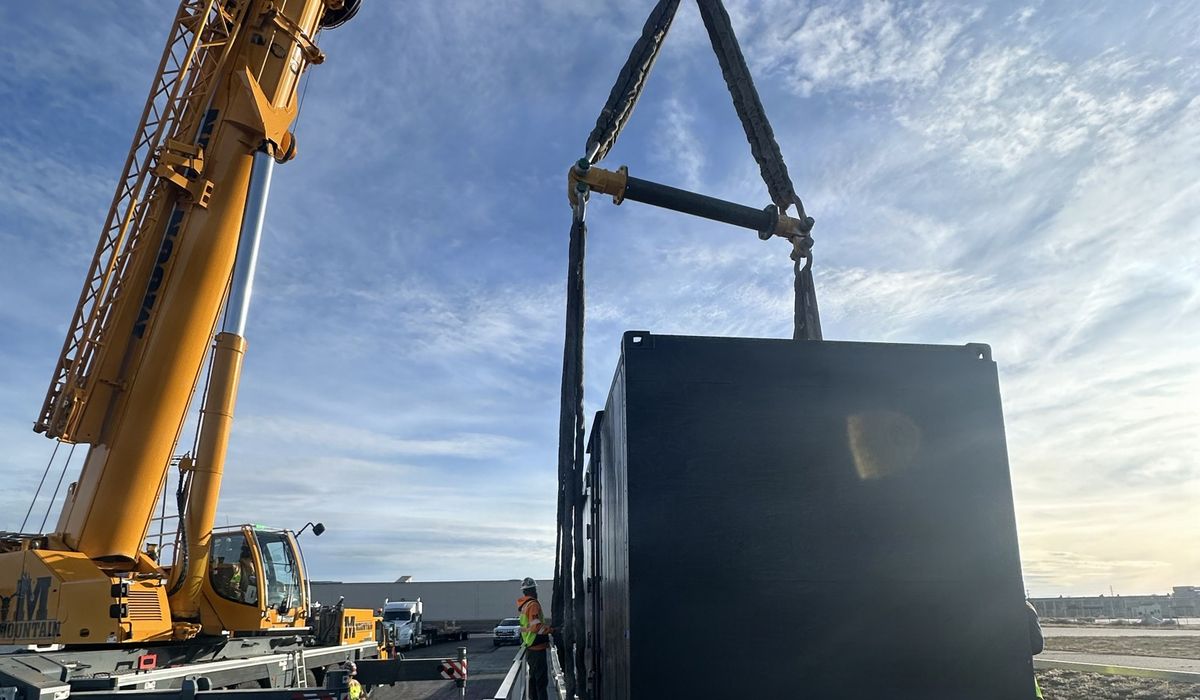
The U.S. Army has selected five companies to build and operate nuclear microreactors on five military installations across the country, the service announced Wednesday.
The Army’s move to put microreactors on installations signals a shift toward decentralized, on-site power for critical missions. These small reactors are built to deliver firm, continuous electricity where the grid can be unreliable or vulnerable. The announcement names the scale and intent without listing public locations, keeping site details limited so planners can work through permitting and security.
Microreactors are modular, compact nuclear units that can run for years without refueling, offering steadier baseload power than batteries or intermittent renewables. For military bases, that can mean uninterrupted operations for command centers, airfields, and sensitive communications equipment. The Army is focused on resilience, aiming to reduce dependence on local utilities that can be disrupted by weather, attacks, or technical failures.
Designs vary, but most microreactor concepts emphasize passive safety features, small core sizes, and below-ground or hardened siting to limit external threats. The units typically use high-assay low-enriched uranium or other fuels that reduce proliferation risk compared with larger reactors. Engineers say smaller cores and modern containment systems help lower accident scenarios and make emergency planning more straightforward.
Regulatory oversight will be a central part of the program as the Army navigates civilian nuclear rules alongside Defense Department requirements. The Nuclear Regulatory Commission and other federal agencies will have roles in licensing, safety reviews, and environmental studies. The Army will coordinate with regulators to meet standards that apply to fixed-site nuclear facilities, even while expecting faster construction and deployment timelines than traditional reactors.
Local communities and installation neighbors can expect engagement on safety, transportation, and employment topics as projects move forward. Microreactor projects often generate construction work and long-term facility maintenance positions, but they also raise questions about waste handling and emergency plans. The Army has signaled it will work with local authorities to explain protections and evacuation protocols, where applicable, as part of the siting process.
From an operational standpoint, on-site reactors reduce logistical burdens tied to fuel convoys and grid restoration after disasters. Bases with microreactors could sustain long-duration missions without relying on outside power, improving readiness and tactical flexibility. The technology is meant to complement—not replace—other energy systems like renewables, energy storage, and conventional generators.
Costs and contracting will shape how fast these projects move from plan to reality, and the Army’s selection of five companies starts that procurement process. Each contractor will be responsible for design, construction, and initial operation under terms set by the service. Expect layered performance milestones, technical reviews, and safety audits before full handover or long-term operation begins.
Waste management and end-of-life planning remain practical concerns for any nuclear deployment, and microreactor developers are planning systems to collect and store used fuel securely. Developers emphasize shorter operational cores and simplified fuel packages to streamline handling and reduce onsite inventories. Long-term disposal will still depend on national policies and available facilities designed to accept spent nuclear material.
Security is another top priority, blending conventional base defense with specialized safeguards for nuclear materials and control systems. That means physical barriers, access controls, cybersecurity protections, and continuous monitoring to prevent sabotage, theft, or tampering. The Army will integrate microreactor security into existing installation plans to maintain both mission readiness and safety for civilians nearby.
Testing and demonstration phases will likely precede wide adoption as the Army and industry collect operational data under real conditions. Those trials help validate performance claims, refine maintenance cycles, and identify best practices for integration with base microgrids. Lessons learned will influence whether and how the service scales microreactors to more installations beyond the initial five.
By selecting five companies now, the Army is betting on rapid innovation in compact nuclear power while balancing oversight and community concerns. The program will be watched closely by policymakers, environmental groups, defense analysts, and local stakeholders. If the pilot projects succeed, they could reshape how the military thinks about energy resilience and long-term base operations.

