

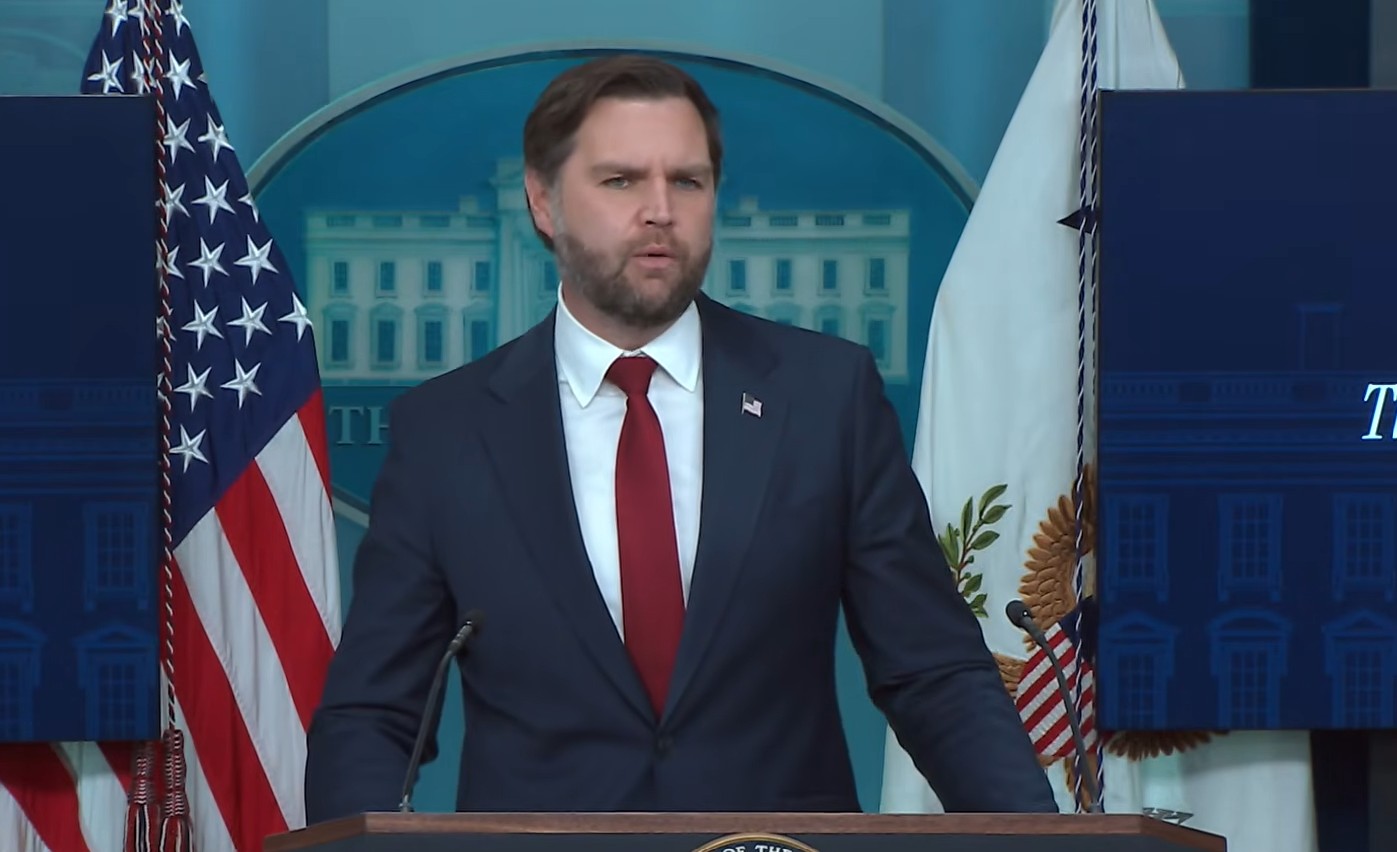
Vance said the White House decided the best way to streamline anti-fraud efforts was to create a new division at the Department of Justice. The move signals a White House preference for a centralized approach to fraud enforcement, and it aims to concentrate resources and legal horsepower under one roof.
Creating a new DOJ division is being pitched as a way to focus federal firepower on fraud schemes that cross state lines and exploit national systems. The core idea is to stop bad actors faster by putting specialized prosecutors, investigators, and tools together. For conservatives, that sounds like a smart use of taxpayer-funded enforcement when it delivers results and accountability.
But the plan also raises immediate questions about scope and oversight, especially when Washington reorganizes to tackle headline problems. New layers can mean new bureaucracy unless there are strict performance measures and sunset reviews. Republicans will insist on clear metrics: what counts as success, who gets audited, and how often outcomes are reported to Congress.
Streamlining anti-fraud work can cut duplication between agencies and free up local prosecutors to focus on violent crime and community safety. Centralized teams can chase complex financial trails and coordinate multi-jurisdictional cases that local offices struggle to handle alone. Still, consolidation must avoid swallowing effective state efforts or trampling on federalism.
Vance framed the White House decision as practical: concentrate expertise and speed up prosecutions. That framing matters because voters want government that works, not more offices with overlapping mission statements. Republicans will push for a unit that prosecutes efficiently and respects constitutional limits while pushing back on fraudsters who drain public and private resources.
Budget discipline should be part of any reorganization pitch, not an afterthought. If the new division needs funding, it should get clear lines showing reduced waste elsewhere or demonstrated cost savings from recovered assets. The argument that a single division will save money only holds if it actually reduces redundant investigations and produces convictions or restitution.
Accountability safeguards need to be front and center, including reporting requirements and judicial oversight. Congress should set guardrails to make sure the division focuses on proven fraud harms and does not become a political cudgel. Republicans will press for transparency about case selection, use of civil versus criminal remedies, and protections for lawful businesses and speech.
Operationally, the new division should bring in experienced prosecutors with proven records on complex financial crime, not political appointees rewarded for partisan loyalty. Training and technology investments—modern analytics, forensic accounting, and interagency data sharing—will determine whether the reorganization actually improves outcomes. Without those tools, a renamed office is just a sign on a door.
At the end of the day, voters expect fraud to be met with clear, effective enforcement that protects consumers, retirement accounts, and public funds. If the Department of Justice can do that faster and smarter with a dedicated division, conservatives will support it so long as it stays accountable, efficient, and limited in reach. The test will be real-world results: fewer scams, recovered money, and prosecutions that hold wrongdoing to account.

