

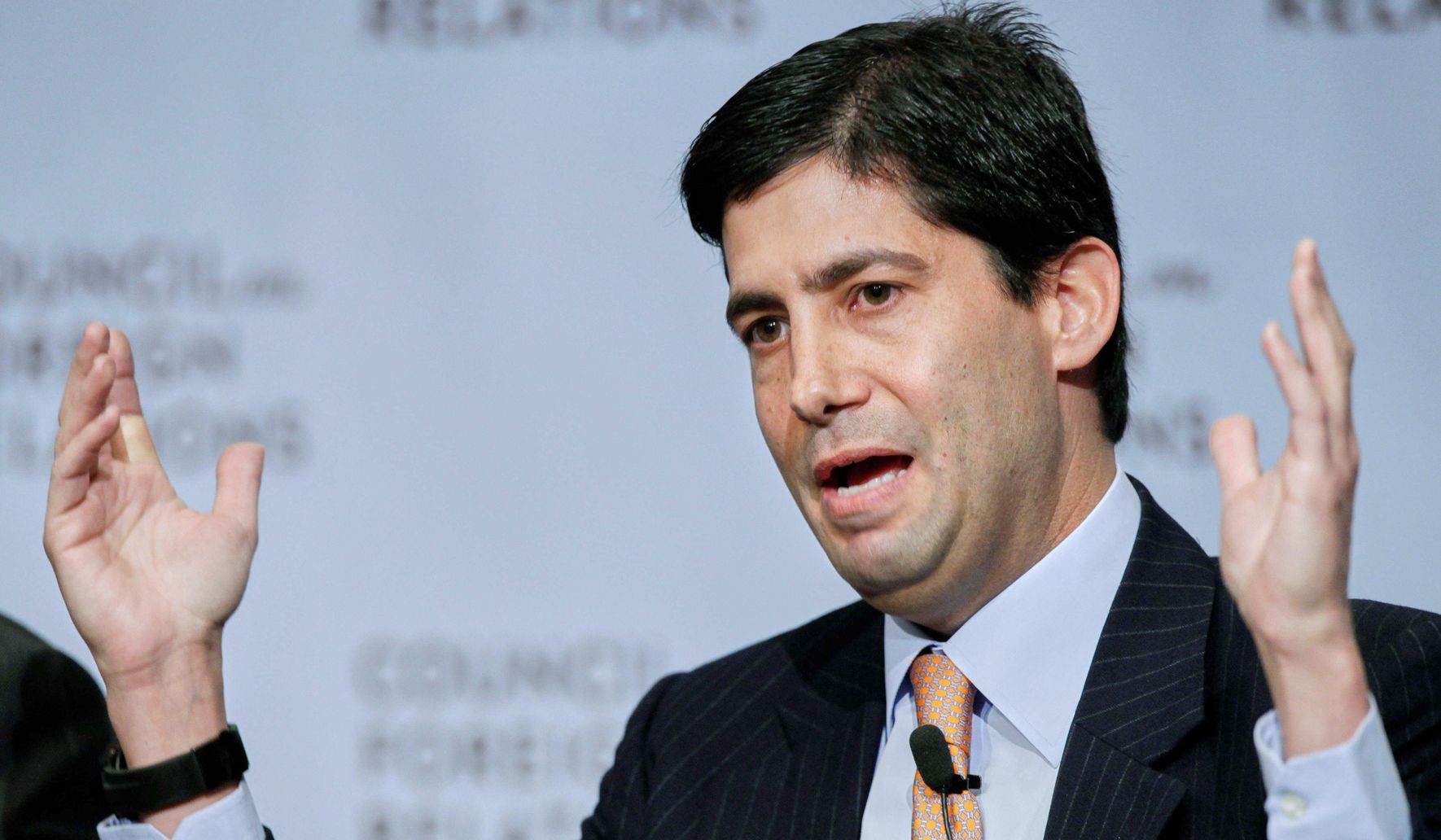
Kevin Warsh told senators he has not promised the president rate cuts and stressed the need to preserve central bank independence while facing scrutiny over monetary policy and markets.
Kevin Warsh faced lawmakers under tough questions about his views on interest rates and the Fed’s role. He told the committee directly and repeatedly that he’s focused on the Fed’s credibility and the long-term health of the economy. Republicans on the panel pushed for clear answers about whether politics would sway policy, and Warsh responded by emphasizing professional standards. The hearing set the tone for how nominees will be judged on independence and market confidence.
During testimony he made a point that grabbed headlines when he said he’s never promised the president to cut interest rates if confirmed, adding that the central. That phrase underscored a broader message: nominees must avoid even the appearance of trading policy for political favor. Conservatives in the room framed the exchange as a defense of the institution’s stability. The nominee’s careful wording showed awareness that markets react to signals, not just actions.
Republicans repeatedly argued that the Fed should prioritize steady growth and low inflation without chasing short-term political wins. They pushed Warsh on accountability and transparency, pressing him to explain how he’d balance growth and restraint. His answers leaned on respect for rules and the need for predictable policy so businesses and savers can plan. That practical approach appealed to lawmakers worried about abrupt rate changes.
Market participants watching the hearing want predictability above all else, and Republican senators made that clear. They argued that erratic policy undermines confidence, raises borrowing costs, and punishes ordinary families. Warsh spoke to those concerns, stressing that credibility matters because markets price in expectations more than promises. A steady hand on interest rates, Republicans say, is essential for a healthy private sector.
Several senators pressed him on past remarks and professional ties, arguing those must not influence Fed decisions. Questions about relationships with industry and previous public statements were framed as tests of impartiality. Warsh answered by pointing to standards of conduct and the institutional guardrails that should govern policymaking. That response aimed to reassure conservatives that the Fed can be both experienced and independent.
On the broader economy, Republicans highlighted the risks of overactive monetary easing that can fuel asset bubbles and distort investment. They argued that sustainable growth comes from sound fiscal policy and market-driven investment, not from repeated rate cuts. Warsh echoed concerns about long-term risks, saying policymakers must look beyond the next quarterly numbers. That view aligns with a preference for market solutions and limited government intervention.
He also addressed how to communicate policy choices to avoid unnecessary market turmoil. Clear guidance, predictable frameworks, and consistent messaging were presented as tools to reduce volatility. Warsh emphasized that the Fed’s job is to steer with care, not to chase headlines. Republicans appreciated his focus on clarity because opaque policy breeds speculation and uncertainty.
Senators on both sides asked about emergency tools and how the Fed should act in crises, but Republicans kept returning to the theme of restraint. They warned against normalizing extraordinary measures and urged a return to conventional policy where possible. Warsh responded by recognizing the need for credible backstops while advocating a plan to normalize policy over time. That balance speaks to conservative concerns about long-term fiscal and monetary stability.
Overall, the hearing highlighted a core Republican message: the central bank must be independent, accountable, and focused on long-term stability. Lawmakers demanded assurances that policy would not be used for short-term political advantage and that professional judgment would prevail. Warsh’s testimony aimed to provide those assurances while signaling that predictable policy benefits markets and working families alike. The exchange made clear that nominees will be judged on both competence and commitment to institutional integrity.

