

Republicans face a real choice: listen to the base or risk losing the energy and turnout that win elections.
Party leaders have been wrestling with a growing tension between the institutional instincts of Washington and the grassroots mood in towns and neighborhoods across the country. The choice is not just rhetorical. It shows up in fundraising, volunteer turnout, and in primary fights that set the terms for general elections.
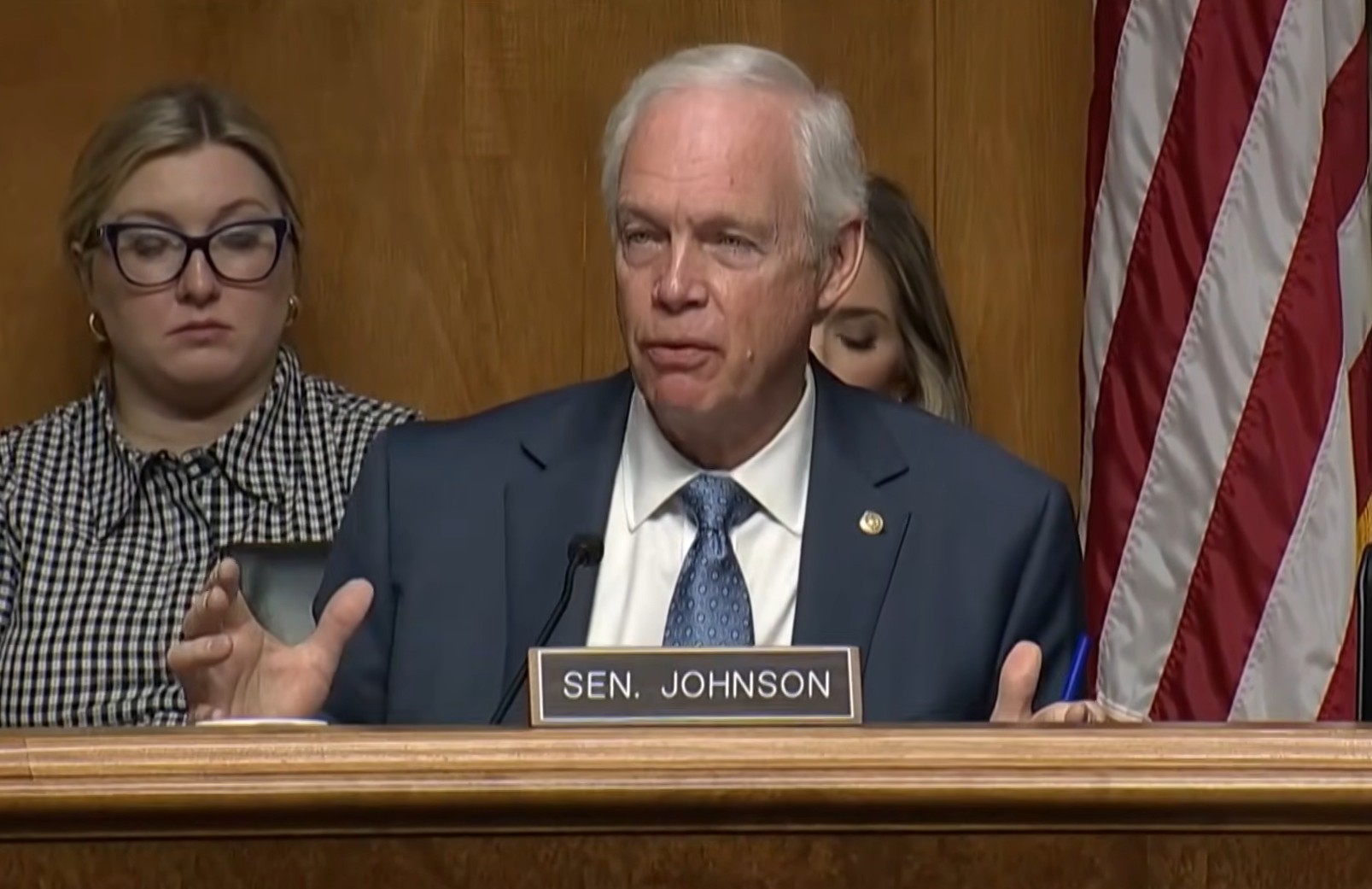
A prominent voice captured the worry plainly when he said, ‘We ignore our base at our own peril, and we don’t want to dispirit our base. And right now, that’s kind of the path we’re going on,’ he said. That line cuts to the heart of the disagreement: leadership priorities versus the energy and expectations of core voters who actually deliver victory on Election Day.
From a Republican perspective the math is simple. You cannot count on favorable media cycles or paper-thin coalitions forever. A party that drifts from the concerns that animate its most loyal voters risks low turnout and fractured support, which benefits the other side in tight races.
That does not mean a refusal to govern or a retreat from pragmatic policymaking. It means a clear strategy that ties policy choices to the values and priorities of the base. Voters want action on the economy, secure borders, safe communities, and respect for individual liberty. Deliver on those or explain honestly why tradeoffs are necessary.
Tactical decisions matter too. Messaging that sounds like it came from a focus group will not inspire volunteers to knock on doors or write checks. Authenticity wins. Candidates and leaders who speak plainly about tradeoffs and stand up for priorities build trust with long-term supporters and persuade fence-sitters who admire consistency.
There is also an organizational side to this dilemma. The grassroots infrastructure that organizes, educates, and turns out voters must be treated as an asset, not a nuisance. Investing in local committees, training volunteers, and supporting credible candidates in down-ballot races creates depth that survives political cycles.
Primary voters are often the strongest expression of a party’s core. Ignoring the signals they send risks producing nominees who lack enthusiasm from the base. That can result in narrow losses in competitive districts where margins are decided by the most motivated voters.
Leadership should reconcile the need for a broad coalition with the political reality that certain issues animate turnout. Tackling immigration enforcement, economic policy that favors growth and opportunity, and restoring confidence in law and order are examples where policy proposals can both govern and mobilize.
Accountability matters. When voters see a disconnect between words and results they become cynical and disengaged. Republican leaders who take risks to align platform and practice will find a steadier, more committed electorate and a clearer path to sustainable majorities.
Finally, politics is competitive and adaptive. The party that remembers who shows up on election day and respects those voters will be better positioned to win the future. That is the political reality behind the blunt warning about ignoring the base, and it is one leaders should heed when setting strategy.

