

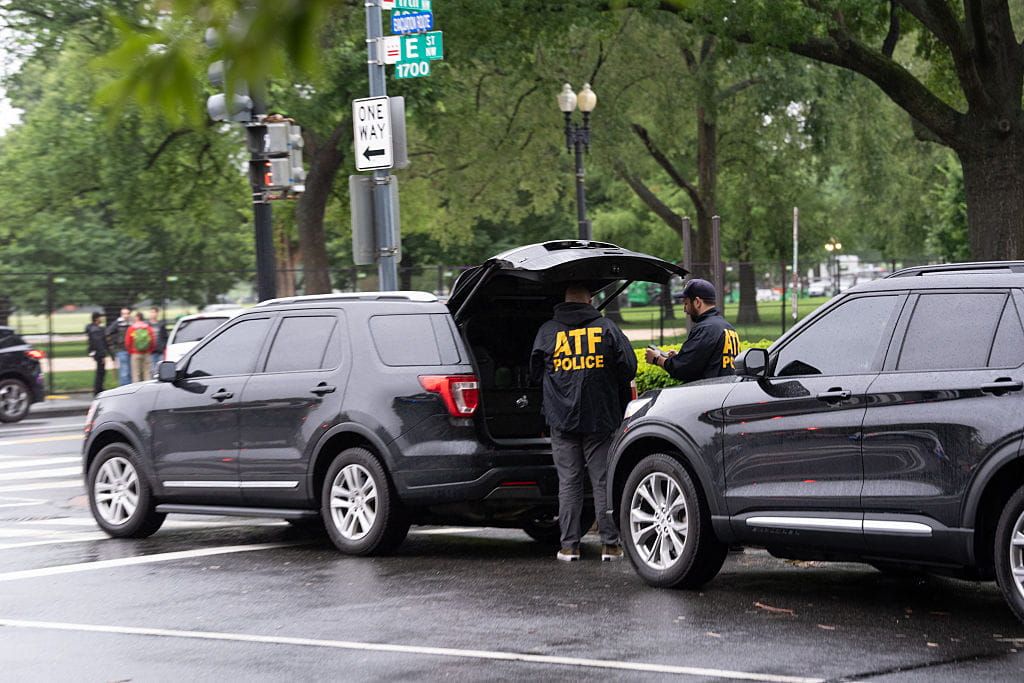
The shooting at the White House once again forces a hard look at political violence and the mental instability behind it, exposing failures in public safety, health care, and the way our culture handles rage and grievance.
The latest incident at the White House is another grim reminder that political violence has not been contained. Rather than treating each episode as a one-off tragedy, we should confront the trend of escalating attacks and the role mental instability plays in them. Those who care about safety must demand straightforward answers and concrete fixes.
Too often, political rhetoric gets blamed for violence while the real issues get ignored. Words matter, but blaming speech alone lets systems off the hook. Citizens want policies and enforcement that stop violent acts before they reach the doorstep of power.
Mental health is central to this problem, and our institutions are underperforming. People who would benefit from treatment often fall through cracks between health services, law enforcement, and family support. Addressing those gaps requires funding, practical programs, and responsibility from local and federal officials.
Law enforcement at national landmarks like the White House generally responds quickly, and those professionals deserve respect for containing danger under pressure. Still, prevention is better than response, and prevention depends on solid threat assessment and better coordination across agencies. That means sharing intelligence and acting on credible warnings instead of waiting for disaster.
The media quickly spins narratives that fit preferred political frames, which undermines clear thinking about causes and remedies. When coverage focuses on spectacle, solutions get buried under partisan commentary. We need reporting that treats violent acts as crimes to be solved, not as tools for political advantage.
Social media and online echo chambers play a serious role in amplifying grievances and normalizing extreme thinking. Radicalization often starts with seemingly small interactions and algorithms that reward outrage. Countering that requires both tech accountability and community-level interventions that offer alternatives to isolation and resentment.
From a policy perspective, common-sense reforms deserve attention: better mental-health triage, stronger protection for sensitive sites, and clearer laws that hold instigators and accessories accountable. Republicans push for law and order coupled with practical support for those in crisis, not theatrical gestures or hollow condemnations. Real solutions mean measurable outcomes, not slogans.
Families, neighbors, and local leaders must also step up; too many warning signs go unreported or are dismissed. Encouraging community involvement and simple reporting can prevent escalation before threats become tragedies. That civic muscle complements official action and helps rebuild social trust.
We will not fix this overnight, but pretending incidents are isolated or merely symbolic only makes matters worse. Leaders should prioritize concrete steps that reduce risk and improve mental-health care, while treating political violence as the criminal and social problem it is. Facing reality directly is the only path to safer streets and a more secure seat of government.

