

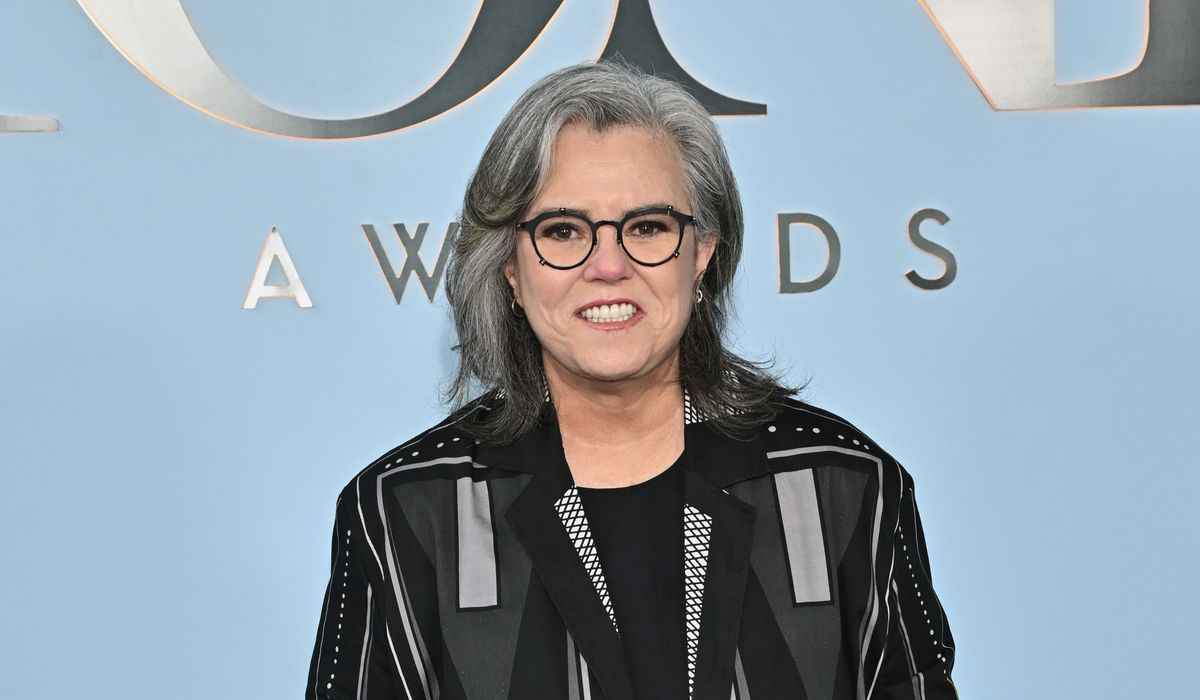
The White House fired back at Rosie with blunt language that lit up the debate over celebrity attacks, media standards, and political outrage from both sides of the aisle.
The exchange began with a familiar pattern: a celebrity lobbed an insult and the White House answered in kind, refusing to soften the language or the tone. For many conservatives that blunt reply felt like a welcome pushback against repeated one-sided attacks that never face consequence. The moment highlights how modern political debate often plays out on a public stage where sound bites matter more than context.
The quoted retort landed hard and was repeated verbatim across social platforms, making it impossible to pretend the disagreement was minor. “A nasty woman and a total slob whose brain has been completely destroyed by Trump Derangement Syndrome.” That line cut through the usual spin and framed the clash as a cultural skirmish as much as a political one. Supporters cheered the administration for matching the attack and refusing to act like offended establishment figures.
Critics immediately called the language unbecoming and pointed to standards of presidential discourse, but the response from conservative audiences was different. Many saw it as a justified, reciprocal blow against a media ecosystem that often gives celebrities a pass when they smear political opponents. From this perspective, the White House reply reclaimed the narrative instead of letting the celebrity set the terms.
The episode also shows how polarized coverage rewards escalation and punishes restraint, especially for Republicans. When responses are measured, they are labeled weak; when they are sharp, opponents cry foul and call it inappropriate. That double standard feeds a cycle where the loudest voice wins attention, even if civility suffers for it.
Beyond the headline quip, the exchange exposed soft spots in how the media covers public feuds, leaning toward outrage as the default angle. Conservatives argue that outlets rush to moralize when celebrities attack conservatives but rarely apply the same standards when attacks come from the left. The result is a coverage bias that amplifies certain voices while sidelining others who push back with equal force.
Political operatives on the right note that an unfiltered response can energize a base tired of taking insults without consequence. It plays well with voters who want their side to stop apologizing and start responding with the same intensity they receive. That approach risks alienating moderates, but strategists counter that the fortified base and its turnout matter more in close contests than placating swing voters with tepid rhetoric.
This clash is more than a momentary squabble; it’s a signal of how future exchanges might unfold. One side will keep using high-profile celebrities to shape political narratives, and the other will answer directly, often with language that reflects the same level of outrage. The dynamic makes political discourse rougher but also clearer about where allies stand and which norms are being contested.

