

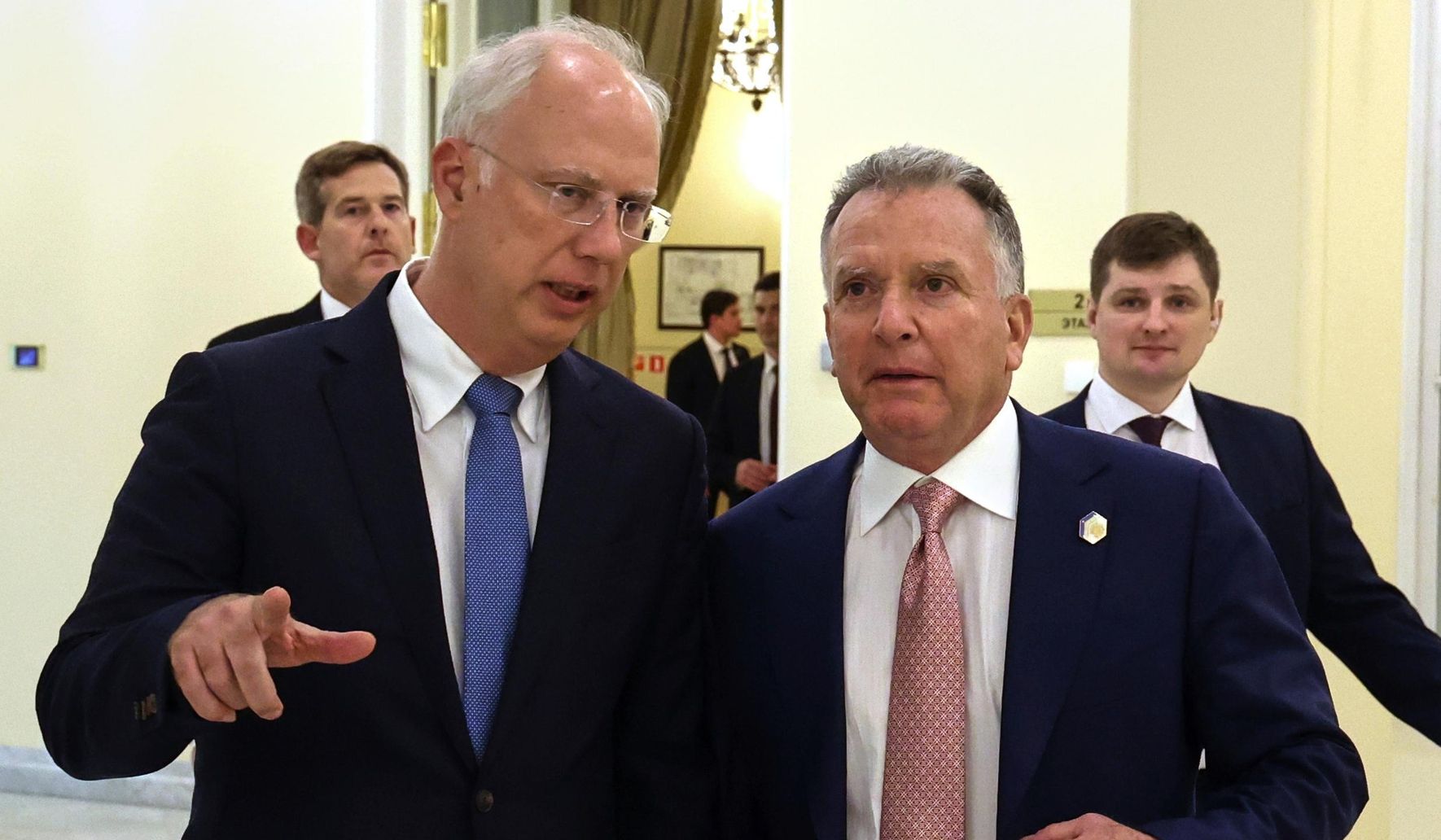
The report lays out an unusual diplomatic move involving a White House special envoy and a figure close to the Russian president, and it raises questions about private channels, messaging, and how peace ideas are presented to an American leader.
White House special envoy Steve Witkoff advised a senior official close to Russian President Vladimir Putin last month on how best to pitch a Ukraine peace plan to President Trump, according to transc
This episode pushes several familiar tensions into the spotlight: how private diplomacy intersects with official channels, who gets to frame foreign policy ideas, and what level of transparency the public should expect. From a Republican viewpoint, those are serious issues because they touch on presidential prerogative, national security, and accountability. The public deserves straight answers about who delivered what advice and why it traveled outside regular State Department or National Security Council processes.
Private actors and envoys play roles in American diplomacy, but those roles have limits when they involve foreign officials tied to adversaries. Advising someone close to a foreign leader on how to approach an American president is not inherently illegal, yet it can create optics problems and potential conflicts of interest. Republicans generally favor clear lines: if a private envoy coordinates with foreign figures, the White House should explain the purpose and boundaries of that interaction.
There are two practical risks here. First, informal back-and-forths can undercut official negotiating positions and create confusion for allies who expect consistent U.S. messaging. Second, the person’s proximity to a foreign leader matters; if that proximity suggests influence over policy or leverage, questions about intent and consequence will naturally follow. Lawmakers on both sides will likely press for records and interviews to understand whether any policy commitments were discussed outside official oversight.
From a political angle, Republicans will focus on presidential discretion paired with a demand for oversight. The president must be free to receive information and proposals, but that freedom is not a blank check for closed-door dealings that affect national security. Conservatives often argue for streamlined decision-making, but they also insist on checks that prevent foreign influence or impropriety, especially when dealings involve adversaries like Russia.
Another angle is reputational: the administration needs to manage how these interactions look domestically and internationally. If a peace plan is presented through unofficial channels, partners like NATO members and Ukrainian leaders might question its credibility. For any plan to have weight it needs buy-in from both domestic institutions and key allies, and informal pitches to the president risk sidelining those stakeholders.
There are sensible questions to ask that do not assume wrongdoing: What exactly was advised? Who else knew about the contact? Were any formal offers or concessions discussed? Getting straightforward answers would help determine whether this was an overreach by a private actor or a legitimate effort to explore peace possibilities. Republicans will press for clarity because the stakes are too high to leave murky explanations in their wake.
At the end of the day, this story is about process as much as policy. The mechanics of how ideas reach the Oval Office matter for governance and national security, and when a private envoy is involved with persons close to foreign leaders, those mechanics deserve scrutiny. The administration should address questions directly, lay out the sequence of events, and explain how this contact fits into the broader framework of U.S. foreign policy toward Ukraine and Russia.

