

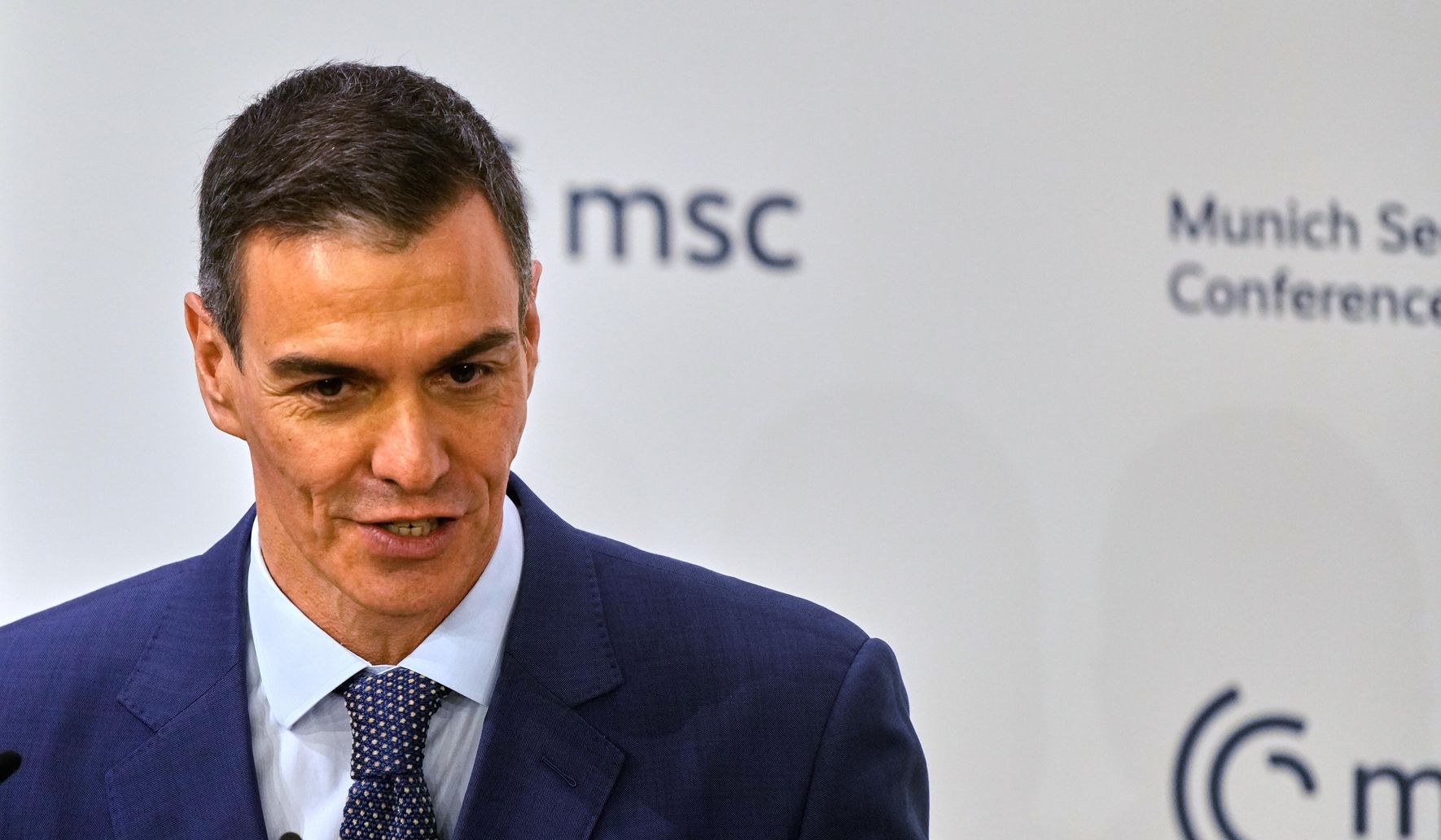
Spanish Prime Minister Pedro Sanchez welcomed President Trump’s ceasefire with Tehran on Wednesday but said the U.S. leader put out his own fire; this piece looks at that reaction, what it means for U.S. credibility, and how Republicans see the space between force and diplomacy.
Spanish Prime Minister Pedro Sanchez, a chief critic of the U.S. war on Iran, welcomed President Trump’s ceasefire with Tehran on Wednesday but said the U.S. leader put out his own fire. That line captures the European unease: relief at paused flames but worry that America softened its edge. From a Republican perspective, pauses without purpose can invite future threats rather than secure peace.
When a president uses force or threatens it, the goal is to change behavior, not just score headlines. Republicans generally measure success by whether an adversary now thinks twice before attacking U.S. interests or partners. If Tehran interprets a ceasefire as a retreat, deterrence is weakened and future aggression becomes likelier.
Europeans like Sanchez often focus on sanctions, institutions, and moral arguments. Those levers matter, but they rarely substitute for the hard stick of credible military power. The U.S. must keep allies close, but it also must show it can and will act decisively when national security is on the line.
There’s a political angle too. Presidents who can credibly use force get better deals at the bargaining table, plain and simple. Republicans argue that bargaining strength flows from demonstrated willingness to follow through, not from speeches about restraint alone. That’s why leaving a visible option on the table matters in diplomacy with Tehran.
Critics say any move that avoids further bloodshed is good, and no one wants endless war. That’s fair, but avoiding fighting today can mean more fighting tomorrow if the threat is unmet. The point is to translate temporary quiet into durable stability, and that requires pressure that Tehran respects.
On alliances, Republicans point out a simple truth: allies expect consistency. When Washington signals it’s ready to act and then steps back too soon, partners start making contingency plans independent of U.S. leadership. That fragmentation is dangerous because it weakens collective responses and hands advantage to adversaries.
For Spain and other European capitals, domestic politics shape reaction. Leaders like Sanchez cater to electorates wary of military entanglements, yet they rely on U.S. power for security. That contradiction explains why Europeans are quick to welcome a ceasefire while still uneasy about long-term consequences.
Iran’s strategy is to test limits, probe defenses, and exploit pauses to regroup. Republicans see a pattern: concessions or perceived retreats often bring stepped-up asymmetric attacks through proxies and covert operations. The U.S. must watch carefully for shifts in Iran’s posture during any ceasefire period.
On the home front, Republicans emphasize readiness, not reflexive escalation. Strength gives room for negotiation; weakness forces hard choices later under worse conditions. A stopgap ceasefire without follow-through risks turning tactical success into strategic failure.
Diplomacy matters and should be pursued from a position of strength, not as a cover for retreat. Republicans favor clear objectives, enforceable verification, and the credible threat of force if Iran violates agreements. That approach makes a ceasefire a step in a plan rather than an endpoint.
Public messaging also counts. Leaders who mix firmness with transparency make it harder for rivals to misread intentions. If the U.S. wants allies to stay aligned, it has to be clear what it expects from partners and what consequences follow violations.
Moving forward, Republicans will watch whether Tehran changes behavior or simply pauses. The test will be observable actions, not words. If Iran stays aggressive, the U.S. must be ready to recalibrate force and sanctions to protect American interests and keep partners secure.

