

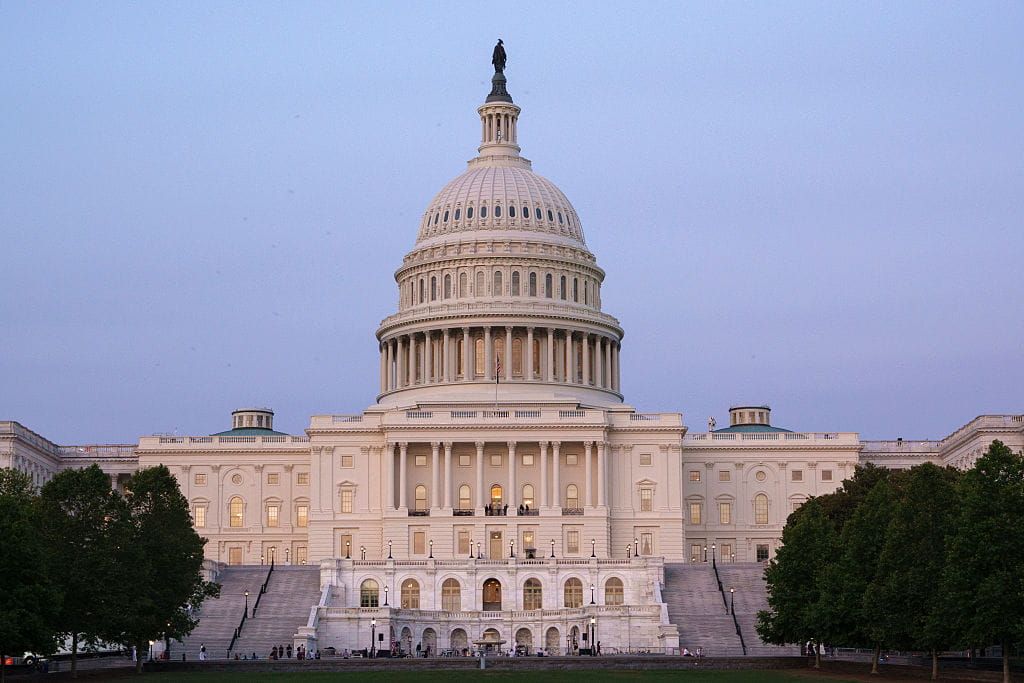
Congress returned from recess with an aggressive agenda that mixed high-profile bipartisan gestures and predictable political theater in the run-up to the midterms.
In 1948 President Harry Truman labeled the 80th Congress the “do-nothing Congress” even though it passed 906 bills and created major institutions like the DOD, CIA, and Air Force while backing the Marshall Plan, the Truman Doctrine, the Taft-Hartley Act, and joining the United Nations. That historical contrast hangs over the current 119th Congress, which after 2025’s slow start and the longest partial government shutdown in US history seemed stalled heading into 2026. Lawmakers failed to pass the SAVE America Act and limped into a brief recess before suddenly returning with headline-grabbing proposals and bipartisan optics.
One immediate flashpoint was a House war powers motion aimed at ending some presidential operations in the Middle East, which Democrats forced to a vote on May 14 and which failed in a 212-212 tie. The tie showed odd alignments: one Democrat joined Republicans in opposition while two vulnerable Republicans sided with most left-leaning members. That split fed the narrative that both parties are posturing as November closes in.
A different kind of maneuver produced a procedural win for Democrats when a discharge petition to boost Ukraine gathered its 218th signature, generating a majority and teeing up an upcoming vote. The GOP largely opposed the measure, yet two Republicans and a former Republican-turned-independent joined Democrats to force consideration. These kinds of cross-party moves underline how both sides can manufacture wins without delivering durable policy results.
On the ethics front House leaders announced a bipartisan effort to address sexual misconduct inside Congress, with Speaker Mike Johnson and Minority Leader Hakeem Jeffries publicly backing a reform push led by Kat Cammack and Teresa Leger Fernández. The stated goal is to “identify reforms and solutions to make Congress a safer work environment for women and all survivors,” and Rep. Cammack put it bluntly: “No woman – regardless of party, title, or position – should ever feel unsafe in her workplace. Period.”
The Senate delivered its own set of dramatic headlines. Democrats attempted to block the president’s Iran agenda but the GOP majority defeated the effort 50-49, even though three Republicans joined almost all Democrats in supporting the war powers resolution. That vote pattern mirrors the House’s fractured alignments and shows how narrow margins can produce chaotic outcomes.
Also in the upper chamber, senators passed a unanimous resolution to suspend pay during future government shutdowns, a measure that drew applause but offers a constitutional wrinkle. One senator, Pete Ricketts of Nebraska, did not cast a vote in person; his office said he supported the idea but could not attend. The resolution’s language, however, does not permanently strip pay but delays disbursement, which critics say is a PR move more than meaningful reform.
“During any period in which a Government shutdown is in effect, the Secretary of the Senate shall disburse and hold any payments otherwise required to be made with respect to such period for the compensation of each Senator.
“The Secretary of the Senate shall release to each Senator any payments held under paragraph (1) with respect to a Government shutdown as soon as practicable after the date on which the Government shutdown ends.”
That workaround matters because personal finances blunt the impact: a March report found at least 73 of the 100 senators are millionaires, and missing a paycheck or two of roughly $14,500 a month is unlikely to alter behavior for most. Skeptics note that delaying checks until after a shutdown is convenient theater that leaves the underlying incentives intact.
Another bipartisan headline came from an unlikely team-up: Sen. Rick Scott and Sen. Elizabeth Warren introduced a bill to ban former lawmakers from becoming lobbyists, closing a common loophole where ex-legislators influence policy without registering. The measure would bar former senators and representatives from registering as lobbyists or being paid to influence lawmakers and staff, a proposal that polls well with voters but faces steep political obstacles in practice.
That public appeal is exactly the concern critics raise. As one top comment on coverage of the anti-lobbying effort put it, “Another bill that has no chance, but we see a lot of them before midterms.” Timing matters: many of these proposals surface when political benefit is greatest, and some sponsors have little immediate electoral risk. The mix of real reform talk and tactical signaling is what defines this return to work.
So Congress is suddenly “busy,” and the headlines will keep coming as candidates and incumbents jockey for advantage going into November. Whether the new activity produces lasting change or simply supplies soundbites for campaign ads remains an open question, but the political math driving these moves is plain to see.

