

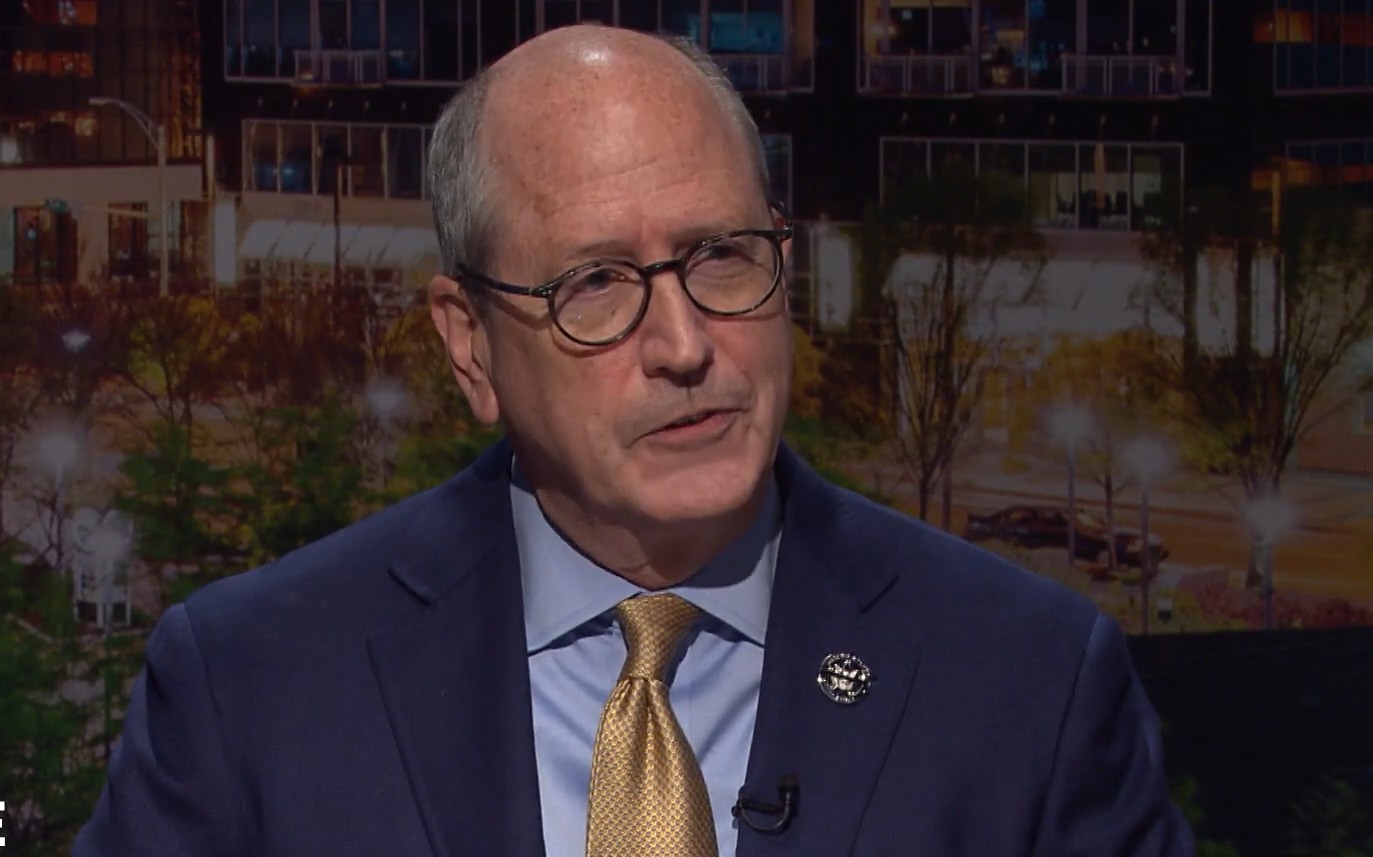
President Donald Trump is set to appoint Office of Management and Budget Deputy Director Dan Bishop to serve as U.S. Attorney for the Middle District of North Carolina, senior White House officials confirmed to The Federalist; Bishop, who served as a conservative stalwart in Congress since 2019, could start serving as U.S. attorney.
Dan Bishop’s move from the OMB back into a frontline legal role signals a clear priority from the administration: put experienced conservatives into key law enforcement posts. Bishop built a reputation in Congress as a firm voice for conservative principles, and in the White House he has been close to the policy center of attention on law, order, and federal oversight. The transition draws a straight line from legislative advocacy to prosecutorial authority, and that continuity matters to supporters who want consistent enforcement of federal law.
The Middle District of North Carolina covers diverse communities and a range of federal cases, from drug trafficking and violent crime to public corruption and complex civil matters. Appointing a proven conservative operative like Bishop sends a message about how priorities may shift — toward tougher prosecution of violent crime and stricter enforcement where the administration sees threats to public safety. That approach will appeal to voters who feel federal resources should back local law enforcement and protect everyday Americans from criminal activity.
Bishop’s background in Congress gives him political instincts that many career prosecutors lack, and that can influence how a U.S. attorney sets priorities and builds partnerships. He knows how to work with governors, state attorneys, and congressional offices to coordinate resources and press for policy changes when needed. For Republican voters and local stakeholders, a U.S. attorney who understands politics and law is an asset when navigating high-profile cases or sensitive investigations.
Critics will predictably raise concerns about politicizing prosecutions when a former legislator takes the job, and that is a risk any administration must manage. Supporters counter that every U.S. attorney starts with priorities set by the president and the Justice Department, and voters expect those priorities to reflect their values. The test will be in how Bishop balances enforcement with fairness and adheres to the rule of law while pursuing the administration’s criminal justice agenda.
Operationally, a U.S. attorney must run a large office, manage staff, and set case-handling standards, and Bishop’s time at OMB and in Congress means he’s accustomed to managing teams and budgets. That managerial experience matters when reshuffling priorities, reallocating resources, or expanding task forces to hit specific crime trends. Local law enforcement leaders will watch for swift administrative moves that translate political direction into courtroom results.
Expect immediate scrutiny from local media, advocacy groups, and the legal community as Bishop settles in, and that scrutiny will shape the first wave of announced priorities and prosecutions. Republican voters who backed the appointment will be watching for decisive action on crime and federal enforcement that aligns with conservative principles. Whatever unfolds, the choice reflects a broader strategy: staffing U.S. attorney offices with officials who mirror the administration’s stance and can deliver results in politically important districts.

