

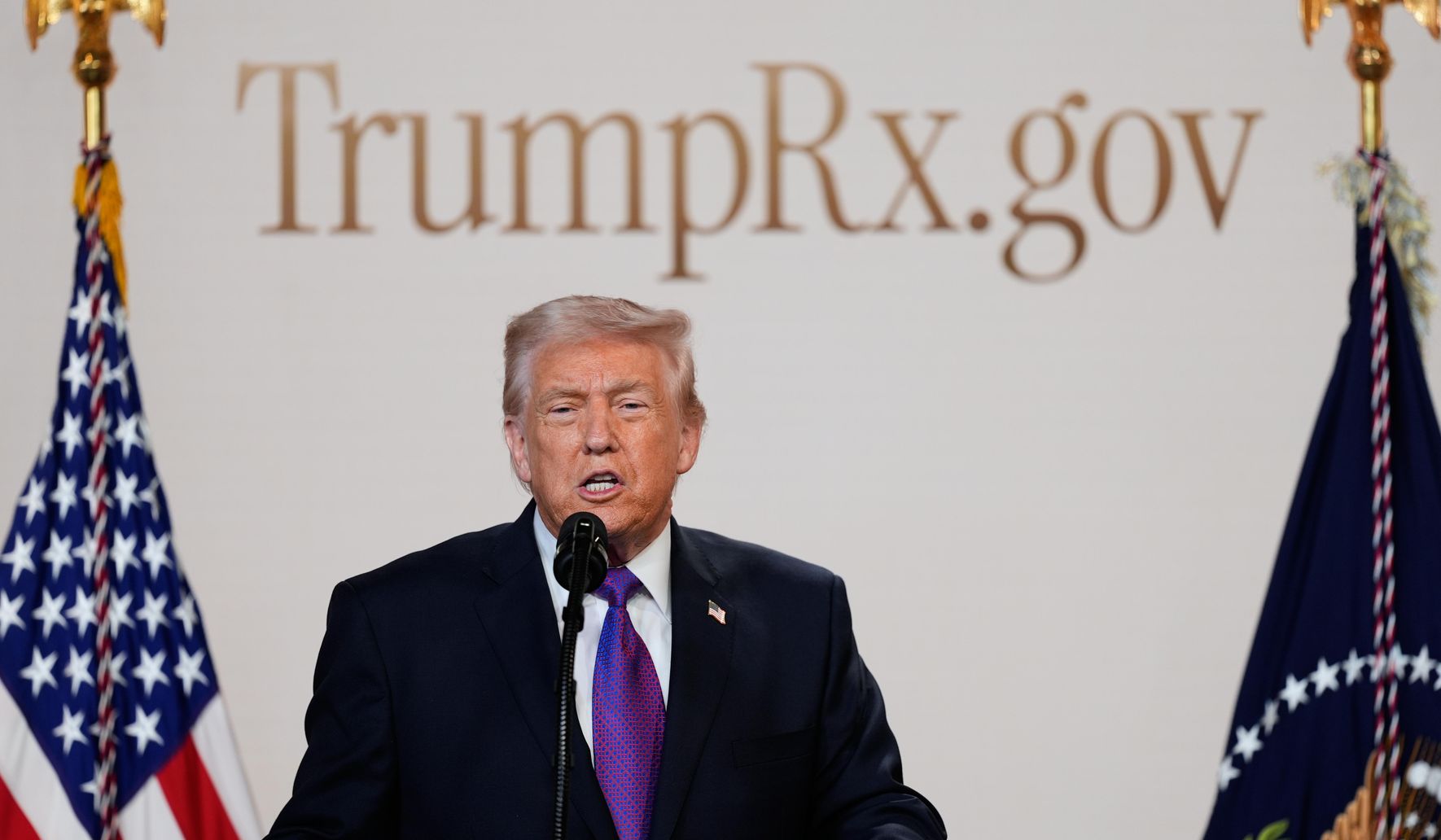
President Trump launched the Trump Rx website to let patients buy prescription medicines straight from drugmakers, bypassing insurance and middlemen and creating a direct purchasing option for consumers.
The new platform opens a direct line between manufacturers and patients, putting price visibility and choice front and center. By allowing purchases without insurance, the site aims to remove layers that often inflate costs and obscure what people really pay for medicine. This is a market-driven approach that treats patients like customers, not claim numbers.
Trump Rx promises a simpler path to necessary drugs by cutting out pharmacy benefit managers and other intermediaries that take rebates and fees. Republicans see those middlemen as a major driver of rising prices because their opaque deals hide the true cost of medication. The plan is to make prices clear and let competition work the way it should in other industries.
Under this model, patients can order directly and know the price up front, avoiding confusing co-pays and surprise bills after a claim processes. Manufacturers control distribution, which supporters argue can speed access and reduce markup. Opponents raise questions about continuity of care and the role of physicians and pharmacists, but proponents insist the change strengthens patient autonomy.
There will be logistical hurdles, like secure delivery, verification, and ensuring proper handling of temperature-sensitive drugs. Those are solvable with modern supply chain systems and pharmacy-grade fulfillment partners who act under manufacturer direction. Republicans argue that solving logistics should not be an excuse to keep an inefficient status quo in place.
Regulators and critics will likely scrutinize patient safety, fraud prevention, and how this alters insurance risk pools. Supporters counter that manufacturers have a clear incentive to maintain safety and that transparent pricing invites accountability rather than hiding it behind complex contracts. The core Republican argument is that transparency plus competition produces better outcomes than centralized control.
Economically, bypassing intermediaries can change how discounts and rebates affect the market, potentially shifting bargaining power back toward consumers and producers. If more patients buy direct, insurers and PBMs could face pressure to lower premiums or alter benefits to stay competitive. That creates a long-term incentive to reform a system where opaque rebates often benefit middlemen more than patients.
The political stakes are real because drug pricing is a high-profile issue that touches voters across the spectrum. For Republican policymakers, the Trump Rx move fits a broader preference for market solutions and personal responsibility over expanded government programs. Expect debates over enforcement and regulations, but also a strong push to let consumer choice drive change in an industry that has resisted transparency for too long.

