

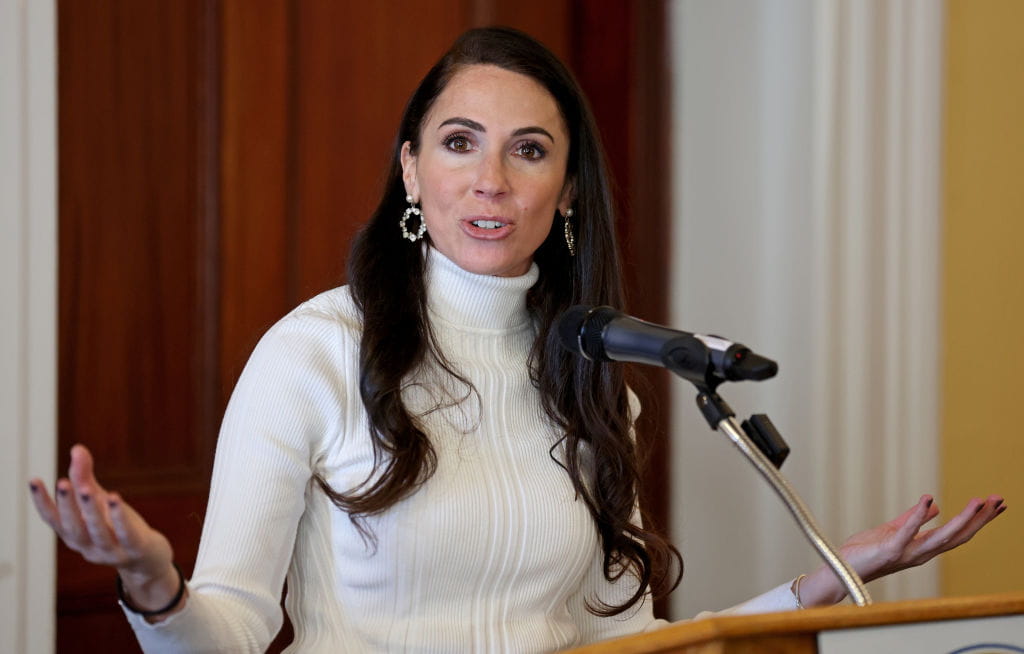
Massachusetts State Auditor Diana DiZoglio says she uncovered up to $12 million in welfare fraud for 2025, and her effort to audit that spending is running into resistance from the state legislature controlled by long-standing Democratic majorities.
The state auditor has a duty to follow the money and expose waste, and Diana DiZoglio has done just that by flagging an estimated $12 million in improper welfare payments in 2025 alone. That figure matters because it represents real taxpayer dollars that could be going to essential services for law-abiding citizens. When an elected official finds systemic problems, the natural next step is a thorough audit to identify failures and fix them.
Instead of full cooperation, DiZoglio has met pushback from the Legislature, which has been dominated by Democrats for decades. Lawmakers are dragging their feet on authorizing or facilitating the audit she seeks, raising questions about priorities. Critics say this pause smells like protectionism, and voters deserve a plain explanation for any delay in oversight.
Accountability is not a partisan phrase; it is a basic function of government that keeps programs honest and efficient. When oversight is blocked, it lets loopholes and abuses persist and sends the message that some officials are above examination. Taxpayers do not expect perfect programs, but they do expect the people in charge to clean up mistakes rather than hide them.
The alleged $12 million in fraud is not an abstract number. It represents benefits claimed improperly or payments made without adequate verification, and that drains the system for those who need help the most. Audits do practical work: they identify patterns, recommend controls, and help ensure benefits reach eligible families. Denying that work undermines confidence in government institutions.
Some defenders of the status quo argue audits are political or disruptive when they target well-entrenched programs. That argument rings hollow when the audit is meant to protect the integrity of aid programs. Oversight should be seen as a service to both recipients and taxpayers, a way to restore faith in government by confirming that rules are followed and funds are properly distributed.
There are clear steps the Legislature could take to reduce friction and show good faith, including expediting the authorization process and providing the necessary access for auditors to do their work. Transparency helps everyone, including program administrators who want to fix weaknesses before they become scandals. Refusal to cooperate undercuts the basic promise that public servants are accountable to the public.
Politics will always be part of how decisions are made, but when partisan control becomes a shield against scrutiny, the public loses out. Longstanding majority control should not be an excuse to resist checks and balances. Elected officials must remember they answer to voters and that taxpayers expect careful stewardship of public funds.
Audits often produce uncomfortable findings, yet those findings are the raw material of reform. If the Legislature is confident that program managers are following the rules, it should welcome an audit that backs up that claim. If problems are found, swift corrective action should follow, and if nothing is found, an audit bolsters credibility and quiets critics.
The conversation here is about restoring trust through clear, enforceable oversight, not about scoring political points. Residents of Massachusetts deserve a system where fraud is caught and corrected, where honest families are protected, and where money intended for relief actually reaches those in need. Blocking or delaying an audit avoids the hard work of accountability and leaves serious questions unanswered.

