

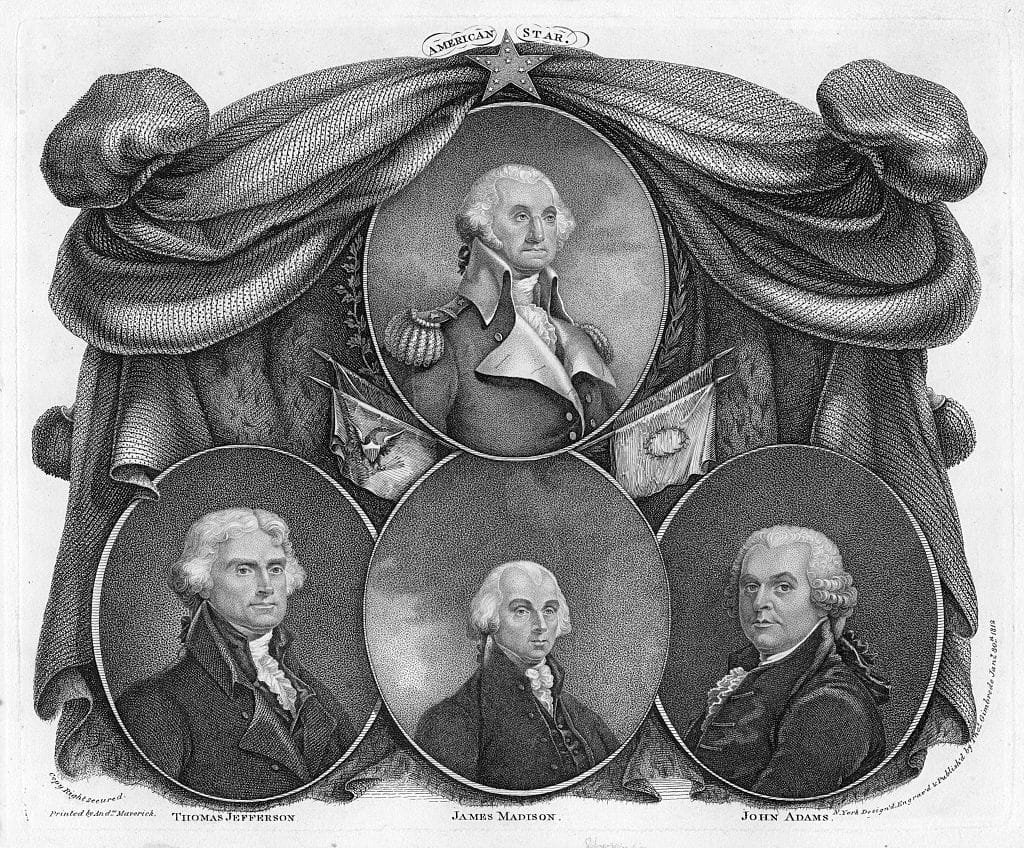
Presidents’ Day is the federal holiday observed on the third Monday in February that traces back to George Washington’s birthday and now serves as a public moment to recognize the office and those who have held it.
Presidents’ Day falls every year on the third Monday in February and began as a celebration of George Washington’s February 22 birthday. Over time the holiday has grown beyond one man to acknowledge the presidency itself and the individuals elected to lead the nation. The shift from a single-birthday observance to a broader recognition reflects how Americans have adapted traditions to fit modern civic life.
The holiday’s legal shape changed in the 20th century. Washington’s Birthday was made a federal observance in the late 1800s, and the Uniform Monday Holiday Act of 1968 moved several holidays to Mondays, taking effect in 1971. That change was meant to standardize federal time off and encourage long weekends, but it also shifted the holiday away from the actual birthdays of Washington and Lincoln.
Many states still call the day Washington’s Birthday while others use Presidents’ Day, showing how local choices shape national rituals. Commercial culture embraced the date, turning it into a retail event as well as a civic one, with stores promoting sales around the long weekend. Those competing uses—commemoration and commerce—now coexist every February, each reshaping how people interact with the holiday.
From a Republican viewpoint, Presidents’ Day is an occasion to honor the founders and preserve respect for the office they built. Figures like Washington and Lincoln stand as examples of leadership rooted in duty, constitutional fidelity, and unity under law. That perspective pushes back against casual revisionism and calls for remembering leadership qualities that held the republic together in hard times.
The day also offers practical civic moments: museums, historic sites, and local ceremonies run programs that encourage citizens to study presidential history. Schools sometimes use the day to teach about the Constitution and the separation of powers, tying individual lives to institutional principles. Those programs help remind people that the presidency is both an office of power and an office bound by law and tradition.
On the practical side, federal offices close for the observance, and some local governments follow suit, while private businesses decide how to respond to customer demand. Retailers often run promotions, and many families treat the long weekend as a chance to travel or visit historic sites. The mix of public closure and private activity makes Presidents’ Day a flexible holiday that looks different across communities and workplaces.
Debate about history and memory often centers on how we honor past leaders and what we ask of current ones, and Presidents’ Day sits squarely in that debate. Celebrating the office does not mean ignoring flaws, but it does mean holding leaders to a standard that advances the rule of law and a shared civic identity. The holiday remains a marker for those conversations, a reminder that leadership matters and that public memory shapes civic life.

