

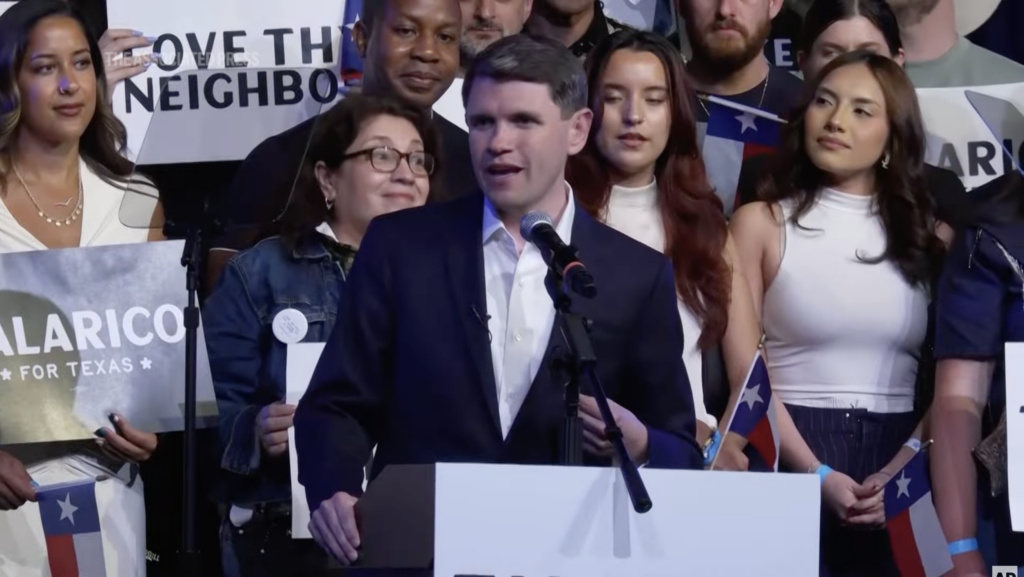
Democrats are dressing radical ideas in religious language, and the press treats that as clever messaging rather than a serious shift in values.
“When Democrats conceal radical left-wing ideology in Christian language, media celebrate it as a savvy communications strategy and describe it as ‘healing.'” That line captures how many conservatives see a pattern: a political party packaging policies in faith-sounding words while reporters applaud the move. This piece looks at why that matters and how it plays out in public life. It sticks to clear examples and plain language.
First, language matters because it shapes trust. Voters who value faith are more likely to listen when familiar moral terms are used, even if the policy behind them diverges from traditional beliefs. Republicans argue this is not accidental; it is a deliberate tactic to neutralize resistance and win support.
Second, the media reaction feeds the strategy. When journalists praise the framing as compassionate or healing, the technique gains legitimacy. That coverage rarely interrogates whether the policies match the rhetoric, and that gap matters for honest debate.
Third, the substance of the policies should be tested against the language used to sell them. Rhetoric invoking forgiveness, care, or family often masks proposals that expand government control or redefine long-standing social norms. Conservatives want voters to evaluate both words and outcomes before accepting the pitch.
Fourth, there is a cultural cost when political language mimics religious language. It risks cheapening spiritual vocabulary and confusing public expectations about what faith communities actually teach. People who live their faith every day deserve clarity about when faith is truly at work and when it is being used for political ends.
Fifth, accountability requires clear questions from the press and citizens. Asking whether a policy respects religious freedom, parental rights, or free speech gets to the heart of the matter. Too often those questions are replaced by profiles about a politician’s personal conversion or inspirational soundbites.
Sixth, voters respond to authenticity. Politicians who genuinely align their actions with stated values earn trust; those who rely mainly on clever messaging do not. Republicans maintain that consistency between belief and behavior should be the baseline standard for public officeholders of any party.
Seventh, the debate is not just partisan theater. It affects legislation, school policies, and community life. When policy changes are presented through a religious-sounding lens without transparent debate, people on all sides lose the chance to test ideas openly and decide what they want for their neighborhoods and families.
Eighth, faith leaders also have a role. They can call out mismatches between religious language and political action, or they can become unwitting megaphones for policies that contradict their teachings. Clear-eyed leadership protects religious institutions from being co-opted into partisan messaging.
Ninth, practical steps are simple but meaningful: insist on plain talk about what a policy does, demand examples of how it will be implemented, and push for honest reporting that separates rhetoric from reality. These are not clever tricks; they are basic habits of a functioning democracy. [[EMBED_1]]
Tenth, the conversation should be robust and civil, not reduced to mocking or silencing. Voters deserve straight answers from every side. If language is going to borrow the moral weight of faith, then the policies behind those words must withstand public scrutiny and match the values they claim to represent.

