

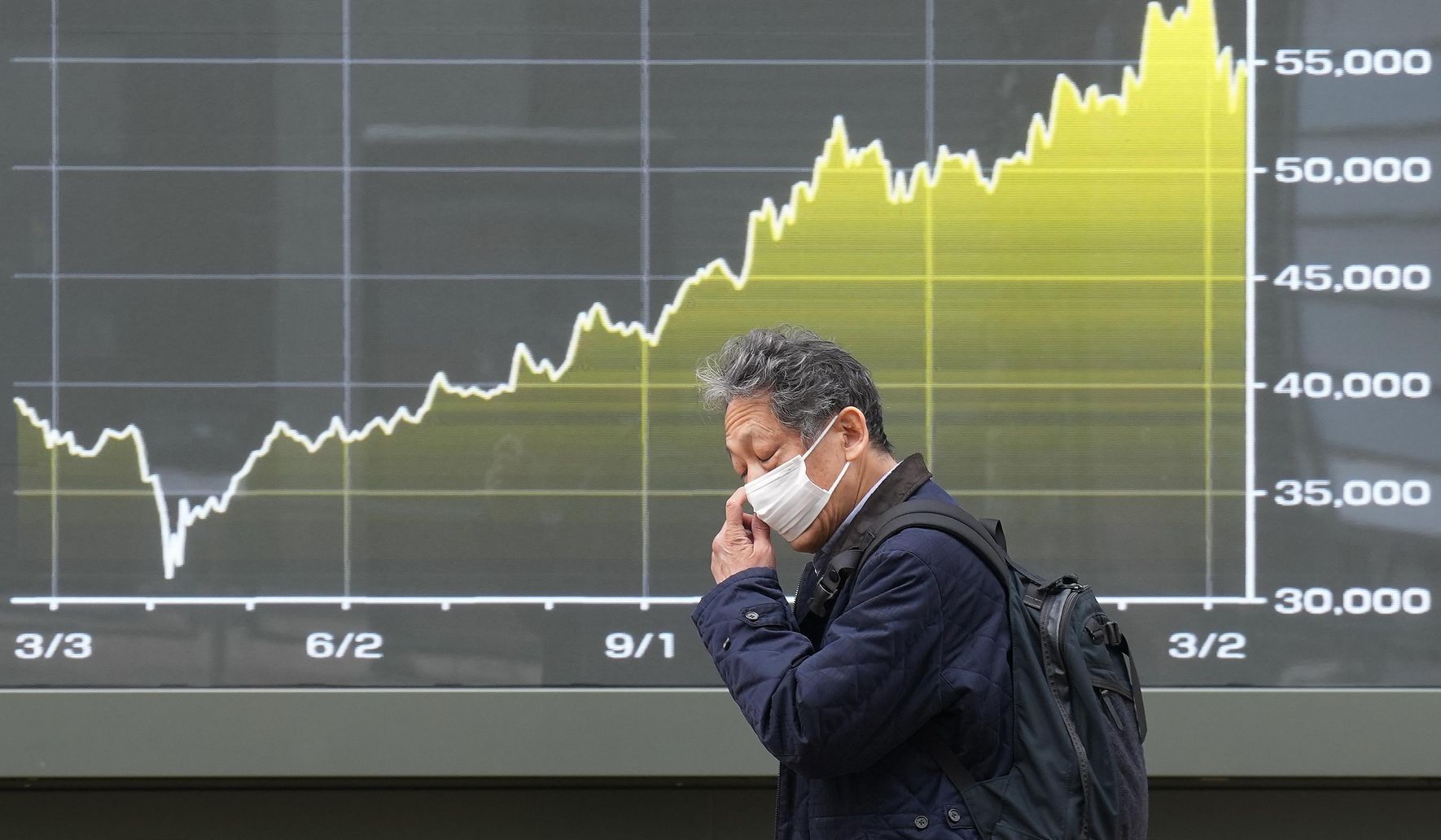
Global markets slipped while oil reclaimed the $100 mark as mounting Iran-related supply fears pushed investors toward safer assets and energy contracts.
World shares retreated on Friday while oil prices again popped above $100 per barrel as anxiety remained over the Iran war and its impact on supplies of crude oil and gas. That jump in crude added a fresh risk premium across markets and forced traders to reassess where volatility could show up next. The immediate reaction was a classic split between energy strength and broad selling pressure in equities.
The core worry is straightforward: any escalation around Iran risks interrupting shipments through critical chokepoints and crimping global crude and gas flows. Maritime insurance costs, route diversions and the threat to tanker access all feed directly into the price base for oil and liquefied natural gas. Markets are pricing in these operational risks even as physical supply numbers remain uneven and patchy across regions.
Investors shifted into safety in response, trimming exposure to cyclical stocks while boosting allocations to government bonds and gold. Equity benchmarks that had ridden higher on growth optimism took the biggest hit, reflecting a sudden preference for capital preservation. Currency moves followed suit, with safe-haven currencies strengthening as risk assets cooled.
On the supply side, producers face a complicated picture: spare capacity exists in some quarters but may not be where it is most needed if infrastructure or shipping lanes are threatened. OPEC and allied producers can adjust output only so quickly, and markets are skeptical about any rapid fill-in of lost barrels. Inventory levels and refinery throughput now play a larger role in near-term price discovery than they did just a few weeks ago.
Higher energy costs feed directly into headline inflation, and that has clear implications for central bank policy even if the shock turns out to be temporary. Policymakers weighing stubborn inflation against slowing growth will find the tradeoffs sharper when oil spikes, because fuel costs ripple through transportation and industrial prices. Traders have already started to factor in the possibility that sustained higher oil could push monetary authorities to stay the course on rates.
Corporate winners and losers are already emerging: energy companies and certain commodity exporters tend to benefit immediately from rising oil, while sectors sensitive to consumer spending absorb the pain. Higher pump prices erode discretionary budgets and can slow retail and services activity, which in turn pressures earnings estimates. Firms with heavy logistics footprints will also contend with rising input costs, squeezing margins unless they can pass prices to customers.
Policy options available to governments range from tactical releases of strategic reserves to diplomatic pressure aimed at de-escalation, but each comes with limits and political constraints. Releasing stockpiles can moderate price spikes for a while but does not fix the underlying geopolitical risk that drives markets to reprice. Sanctions, naval escorts and negotiations all remain on the table, yet none promise a swift or guaranteed calming of energy market nerves.
For traders and risk managers, the immediate environment calls for disciplined hedging and scenario planning because volatility is likely to remain elevated while headlines evolve. Options markets are active for a reason: they allow participants to guard against outsized moves without fully abandoning exposure to recovering demand. Expect shorter correlation windows between energy, equities and credit until there is clearer evidence that supply disruptions are either contained or have shifted the demand-supply balance for the medium term.

