

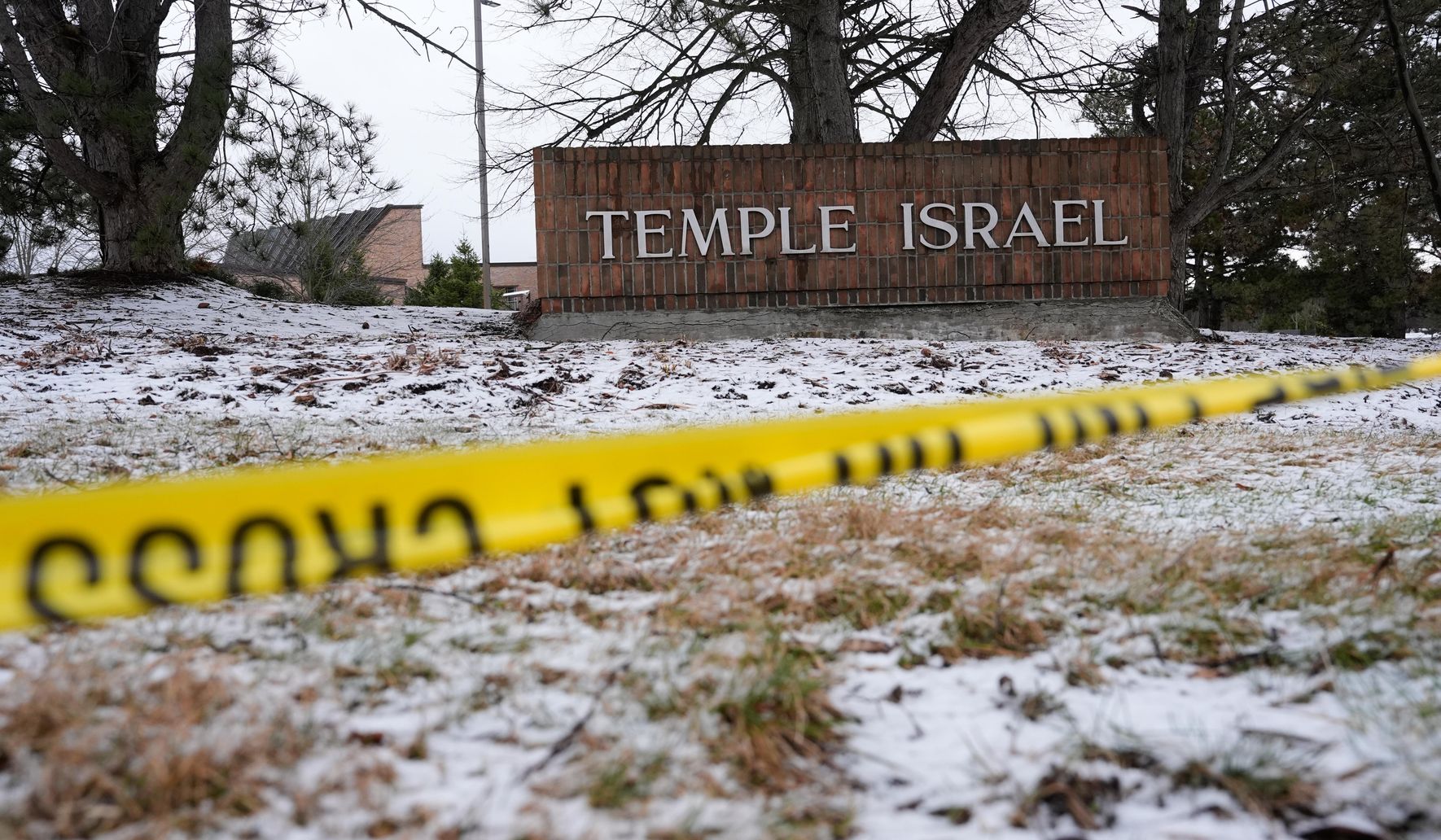
Israel’s military said Sunday that the brother of the man who attacked a Michigan synagogue last week had been killed earlier this month by an Israeli airstrike and identified that brother as a Hezbollah commander.
The attack at a Michigan synagogue last week shocked communities and forced a hard look at how domestic violence can connect to foreign terror networks. Authorities say the attacker acted violently on American soil, and Israel’s military has now pointed to a direct family link to Hezbollah. That connection raises questions about motive, influence and the spread of extremist ideologies across borders.
Israel’s statement that the slain brother was a Hezbollah commander gives this incident an international dimension that cannot be ignored. Republican voices typically frame such claims as reason to trust close allies’ intelligence and to take threats seriously. When family ties link a domestic attacker to an overseas militant group, it changes how investigators and policymakers must respond.
The timeline matters: Israeli strikes earlier this month targeted militant operatives, and one of those strikes killed a man now alleged to have been a Hezbollah commander. Days later, a relative in Michigan carried out an attack on a synagogue, leaving residents and leaders demanding answers. While intelligence assessments take time, the suggested connection tightens the focus on whether external actors played a role in radicalizing the attacker.
Law enforcement and counterterrorism teams in the United States will now be under pressure to determine whether communications, financing, or directives flowed from abroad. From a Republican perspective, this situation underscores the need for sharper intelligence sharing, better screening of foreign influence and unwavering support for communities under threat. Americans expect swift, factual investigations and that any foreign entanglements are exposed and cut off.
Community leaders in Michigan are confronting fear and grief while officials probe possible links to Hezbollah, a Lebanese group designated by many as a terrorist organization. The presence of international extremism near American synagogues is an ugly reminder that hate can jump oceans. Protecting houses of worship and publicly affirming that violent acts will be met with resolute justice are immediate priorities.
Questions also turn to online radicalization and how family members communicate across borders in real time. Investigators will look for digital footprints, messages and financial trails that could explain whether the attacker acted alone or under outside influence. Republicans often argue these inquiries should be thorough and unflinching, with clear consequences for any foreign actors who facilitate violence on U.S. soil.
At the same time, this episode highlights the broader stakes in the Middle East for American security and foreign policy. If a Hezbollah commander was indeed killed in an Israeli action and that event coincided with a synagogue attack here, the link will demand coordinated diplomatic and intelligence work. Communities deserve transparency and protection while officials sort fact from speculation and pursue justice where wrongdoing is found.

