

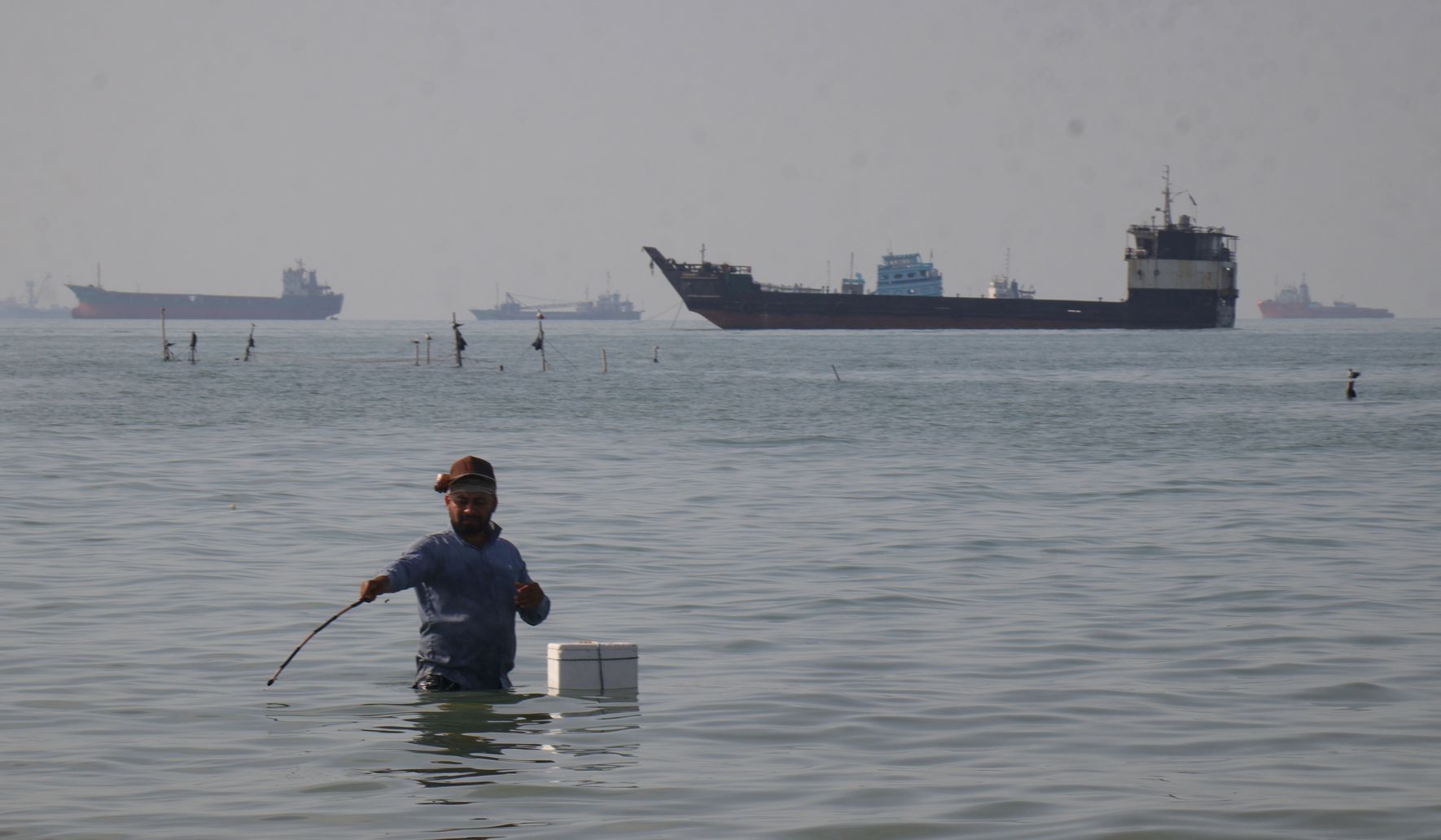
The United States will move to “guide” ships trapped in the Iran-gripped Strait of Hormuz, President Donald Trump said, with officials offering few operational details while signaling a readiness to protect maritime traffic and American interests in the region.
President Donald Trump announced a U.S. effort set to begin Monday to “guide” stranded vessels through the Strait of Hormuz, a terse statement that left questions about scope and tactics. The comment came without a full operational briefing, but it made clear Washington sees a need to intervene to keep shipping lanes open. For many, the word “guide” suggests an escalation short of full combat but more active than mere diplomacy.
The Strait of Hormuz is a choke point for global commerce and energy shipments, and any disruption there has immediate international consequences. Roughly one fifth of the world’s seaborne oil passes through this narrow passage, so even short interruptions ripple through markets and supply chains. That strategic reality explains why the U.S. feels compelled to act when vessels are detained or threatened in the area.
From a Republican perspective, protecting merchant mariners and free navigation is core statecraft, not optional politics. The decision to intervene reflects a commitment to American power and predictable deterrence, showing allies and adversaries alike that the United States will defend the rules that keep commerce moving. Critics who favor hesitation risk inviting more aggressive behavior from bad actors who test limits when they see vacuums.
Operationally, “guide” can mean a range of measures that avoid unnecessary escalation while restoring safe passage. That could include escorting ships with naval vessels, coordinating convoys, providing real-time intelligence and navigation assistance, or using electronic measures to disrupt hostile interference. Those options let commanders tailor responses to immediate threats without leaping straight into kinetic action.
The military approach must be matched by clear rules of engagement and strong communication with commercial operators to reduce confusion during tense episodes. Sailors and shipping companies need fast, reliable instructions to avoid collisions or accidents in crowded or contested waters. At the same time, commanders must retain legal and tactical options should hostile forces cross clearly defined red lines.
Iran’s posture in the region has created this tinderbox, and any U.S. steps will be watched for signs of escalation or containment. A Republican view stresses that credible deterrence reduces the chance of prolonged conflict by making coercion costly and unattractive. Keeping actions precise and proportional helps maintain international support and prevents the kind of open-ended military entanglements no one wants.
Diplomacy still matters alongside military measures, because long-term stability requires predictable rules and buy-in from regional partners. Building a coalition of maritime nations to monitor and protect commercial traffic would spread costs and reinforce a common interest in free navigation. At the same time, policymakers must keep sanctions, legal pressure, and targeted diplomatic levers ready to compel better behavior without unnecessary military exposure.
Markets are quick to price in risk, and even limited disruptions in Hormuz can nudge energy costs upward and raise insurance premiums for shippers. Protecting the flow of goods through the strait is therefore not only a military matter but an economic imperative that affects everyday families and businesses. Expect officials to frame further actions in terms of practical protections for commerce and the global economy.
Details about how the mission will be run are likely to emerge as naval and diplomatic teams coordinate, and patriotic observers will want clarity on goals and timelines. The coming days should reveal whether the effort remains narrowly focused on escorts and guidance or expands into a broader security campaign. For now, the announcement signals that the U.S. intends to assert control where vital trade routes are threatened and to keep commercial lanes open under American leadership.

