

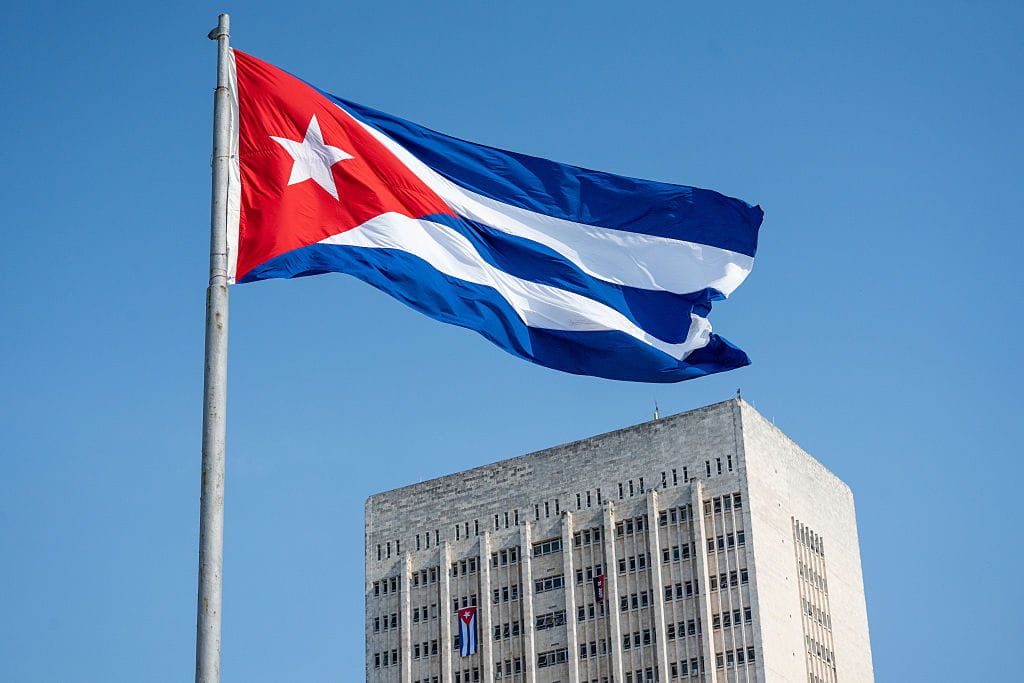
U.S. operations in Iran have now passed the 60-day mark, and President Trump repeated that Cuba is ‘Next’, signaling a hard line and a plan for tougher measures.
The American military presence and covert efforts tied to Iran have entered a sustained phase, and Republican leaders view the timeline as deliberate and strategic. Messaging from the top is meant to show resolve and to warn adversaries that patience has limits. That posture is shaping policy choices toward other hostile regimes.
President Trump reiterated Cuba is ‘Next’ as part of a broader strategy to squeeze governments that back terrorism and anti-American activities. Republicans see this as consistent signaling: when the United States acts, it should follow through with consequences that bite. The phrase itself is blunt and designed to make allies and adversaries alike take notice.
“Expanded sanctions in store for Cuba’s regime – and anyone who helps them.” This line captures the direction Republicans are urging: targeted, escalating pressure aimed at chokepoints. Sanctions are the preferred tool when the goal is to impose cost without immediate wide-scale conflict, but they must be sharp and enforced to matter.
On Iran, the sixty-day milestone is less about a calendar and more about demonstrating endurance and capability. Republicans argue that a steady, patient campaign degrades hostile networks and sends a clear message that Washington will not be deterred. The aim is to shift the balance without getting dragged into open-ended ground wars.
Turning attention to Cuba signals a willingness to confront regimes that act against U.S. interests in the Western Hemisphere. Republicans emphasize the hypocrisy of governments that preach solidarity while enabling dictators and criminal enterprises. Pressure on Havana is framed as both a moral and strategic necessity.
Practical steps being discussed in conservative circles include expanded financial restrictions, interdiction of illicit shipments, and tighter scrutiny of third-party nations and entities that aid these regimes. The goal is to make support for hostile actors a political and economic liability. Enforcement matters: sanctions that are porous or poorly policed lose their deterrent effect.
Domestically, Republican lawmakers press for unity behind firm policy so adversaries can’t exploit mixed signals from Washington. They argue that strong, consistent pressure reduces the chance of miscalculation and deters escalation. Political debates should not undercut policy clarity when national security is at stake.
Critics will call for restraint and caution, and Republicans concede that escalation must be calibrated to avoid unnecessary wider conflict. Still, the conservative position leans toward decisive action when a clear threat exists and when diplomatic options have been exhausted. The underlying principle is that deterrence requires credibility, and credibility often depends on visible consequences.
Allies and partners are being watched to see whether they will align with tougher measures or seek to preserve old ties. Republicans expect close coordination with nations that share the goal of isolating bad actors, while also preparing unilateral tools when partners hedge. The aim is clear: penalize those who enable regimes hostile to American interests.
Messaging matters as much as measures, and Republicans favor candid public statements alongside discreet operational steps. Saying that Cuba is ‘Next’ is intended to harden resolve and to force would-be enablers to rethink their calculations. If Washington follows words with concrete action, the signal will be unmistakable.
Long-term success depends on consistent enforcement, intelligence sharing, and a willingness to adapt when adversaries change tactics. The sixty-day mark in Iran is a checkpoint, not a finish line, and the shift of focus toward Cuba reflects a broader doctrine of pressure and accountability. For Republicans, strength backed by consequence remains the clearest path to protecting American interests abroad.

