

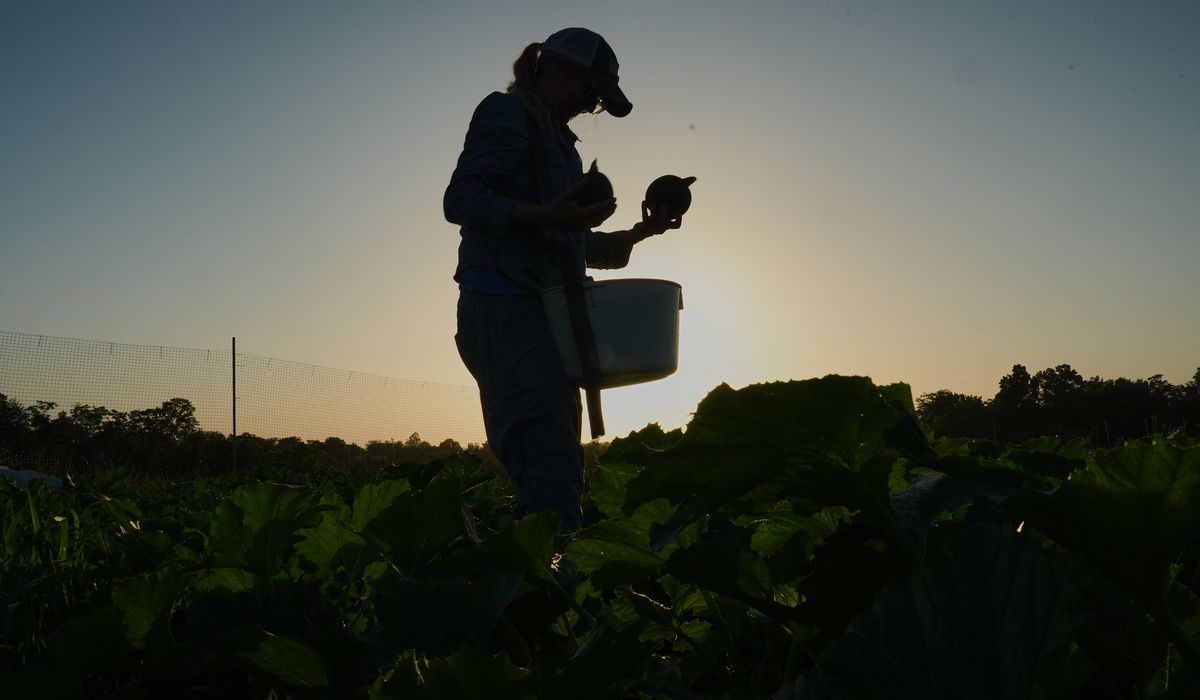
On a 50-acre farm, Annie Woods was still out harvesting squash and zucchini as the sun dropped and the day’s heat lingered, a scene that captures how summer warmth, labor realities, and tight margins shape modern small-scale vegetable farming.
Evening work on small farms often stretches past sunset, and Annie Woods is a clear example of why. She walked back into the fields to harvest squash and zucchini on her 50-acre farm while the air still held the day’s heat, balancing the needs of perishable crops with the rhythms of weather and labor. That lingering warmth affects harvest timing, produce quality, and the stamina of farm crews, especially during a long, hot season.
Market windows for summer vegetables are narrow, so farmers like Woods can’t afford to wait for perfect conditions. Squash and zucchini bruise easily and deteriorate fast in heat, so picking them on schedule is critical to getting a fair price at market. At the same time, cooling costs, water use, and the physical toll on workers add to the list of immediate concerns that define each day on a mid-sized farm.
Labor is one of the clearest pressure points. Hand-harvested crops depend on crews who must work efficiently and safely in uncomfortable conditions, and the clock often forces decisions between delaying harvest for cooler air or risking heat-stressed produce. On a 50-acre operation, those choices ripple through packing, transport schedules, and relationships with buyers who expect consistent volumes and quality.
Irrigation and field practices become tactical tools, not just seasonal chores. Farmers manage watering times to cool plants and reduce harvest stress, adjust cultivar choices for heat tolerance, and shift planting dates to avoid the worst of summer peaks. These adjustments help preserve shelf life and yield, but they also demand flexible planning and sometimes extra upfront costs that smaller farms struggle to absorb.
Infrastructure matters. Shade, on-site cooling, and efficient packing lines can keep produce fresher and protect workers, but investments in those systems aren’t cheap. Many farms weigh the return on a cooler or shaded packing area against other pressing needs like seeds, fuel, and labor. For operators running 50 acres, every capital decision has to justify itself quickly in tighter-budget seasons.
Markets push behavior, too. Retailers and restaurants want steady supply, and consumers expect crisp, blemish-free vegetables, so producers face pressure to deliver quality even when conditions are tough. That demand can force growers to harvest earlier or more frequently, which increases labor hours and packing throughput while still trying to protect crop integrity and farmworker safety.
On the policy and community side, emergency cooling centers, shaded rest areas, and access to affordable farmworker protections make a practical difference during heat waves. Local coordination on water resources and shared packing facilities can lighten the load for mid-sized farms. When growers can share infrastructure or access targeted support, they can better manage the trade-offs between product quality and worker welfare.
For growers like Annie Woods the calendar is a constant negotiation between plant needs and human limits, and the sight of a farmer harvesting into the heat illustrates that balance. The choices made on a single evening affect the next shipment, the crew’s wellbeing, and the farm’s bottom line, so practical, affordable adaptations matter more than ever. As summer stretches on, those small but critical adjustments keep produce moving from field to table and keep farms functioning in the heat.

