

A short, direct summary: Iran’s ruling circles keep choosing policies that weaken the country’s security while deepening regional chaos, rolling back any hope for stable deterrence or internal order.
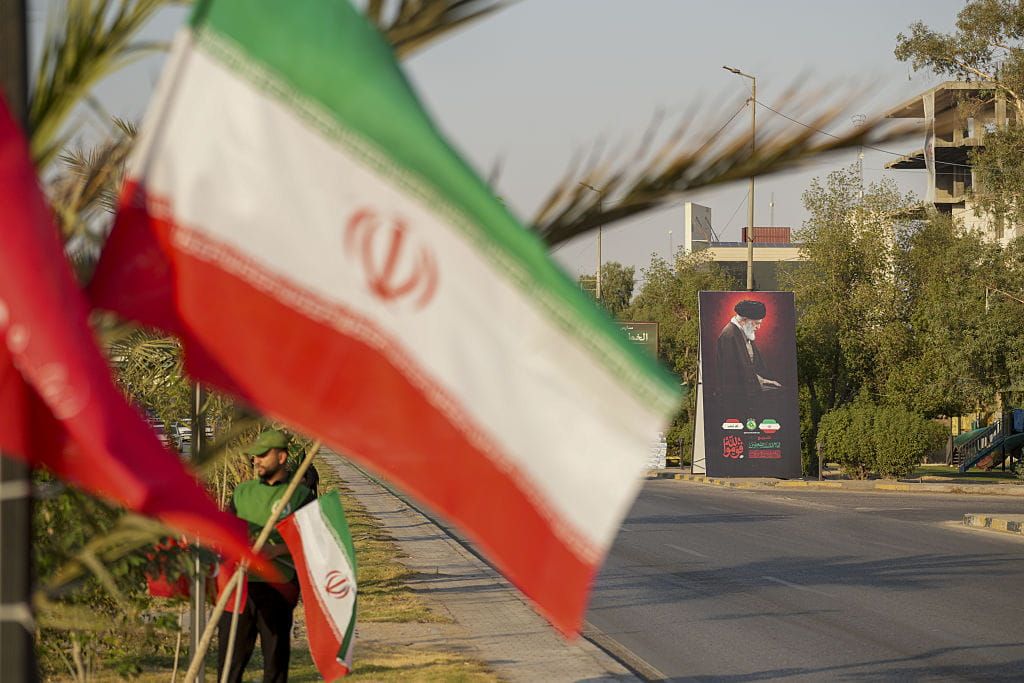
Iran’s leadership seems determined to sabotage the country’s own stability, and the results are plain for everyone watching. The regime pours resources into external aggression, militia networks, and a race for nuclear leverage while ordinary Iranians watch their economy and safety crumble. That combination makes for “A peculiar kind of peace.” (Photo by Karar Essa/Anadolu via Getty Images)
On Jul 9, 2026 the pattern is unmistakable: Tehran prioritizes power projection over the protections its citizens actually need. Instead of shoring up domestic security and economic resilience, the government funnels money into proxies, foreign adventurism, and weapons programs. The result is a state that looks strong on paper but is brittle in practice.
Supporting militias across the Middle East has become a central tactic, and it is costly in more than cash. These proxy networks force Iran into constant confrontation with neighbors and rivals, multiplying flashpoints across the region. That persistent friction invites retaliation and keeps Iran from building durable diplomatic shields that might reduce the risk of major conflict.
The nuclear program adds another layer of self-inflicted risk, and it is not just about bombs or enrichment levels. Pursuing a nuclear capacity invites international isolation, sanctions, and covert countermeasures that undercut any claim of lasting strategic advantage. Rulers who think nuclear brinksmanship buys security are misreading history; more often it creates new vulnerabilities that adversaries exploit.
Domestically, the regime’s security posture is contradictory. Heavy-handed repression aims to suppress dissent, yet it amplifies popular grievances and drives talented people to leave. Misplaced priorities mean fewer resources for policing, infrastructure, and basic services, which in turn erodes the conventional underpinnings of national security like social cohesion and economic stability.
Economic mismanagement and corruption are part of the story too, and they have real security consequences. When the state cannot deliver growth or opportunity, unrest becomes a strategic liability that the government can address only through force. That short-term reliance on coercion weakens institutions and makes long-term stability harder to achieve.
From a conservative perspective, Iran’s choices underline the need for clear, sustained pressure combined with realistic deterrence. Appeasement or wishful thinking will not reverse the regime’s calculus; it thrives on ambiguity and fractured international resolve. Effective policy must make the costs of aggressive behavior tangible while keeping pathways open for change that favors the Iranian people, not the clerical elite.
Regionally, Iran’s posture pushes other states to respond in kind, creating a security dilemma where everyone arms up and nobody wins. Arab capitals and Israel see Iranian actions as existential threats and react by strengthening alliances and military capabilities. The outcome is escalation, not stability, and it guarantees that local disputes will continue to metastasize into broader crises.
Iran’s leadership could choose a different course by prioritizing internal reform, economic renewal, and conventional defense over asymmetric adventurism. Until that happens, the balance will tip toward instability, and ordinary Iranians will pay the price. Policy responses must acknowledge that reality and adjust accordingly without romanticizing the current regime’s intentions.
Keeping a firm stance does not mean seeking war for its own sake; it means denying Tehran the strategic benefits of aggression while supporting alternatives that empower citizens. Those alternatives include exposing the regime’s bad choices and backing policies that separate Iran’s population from its ruling clique. Absent such measures, the country’s security will remain an ironic casualty of those who claim to safeguard it.

