

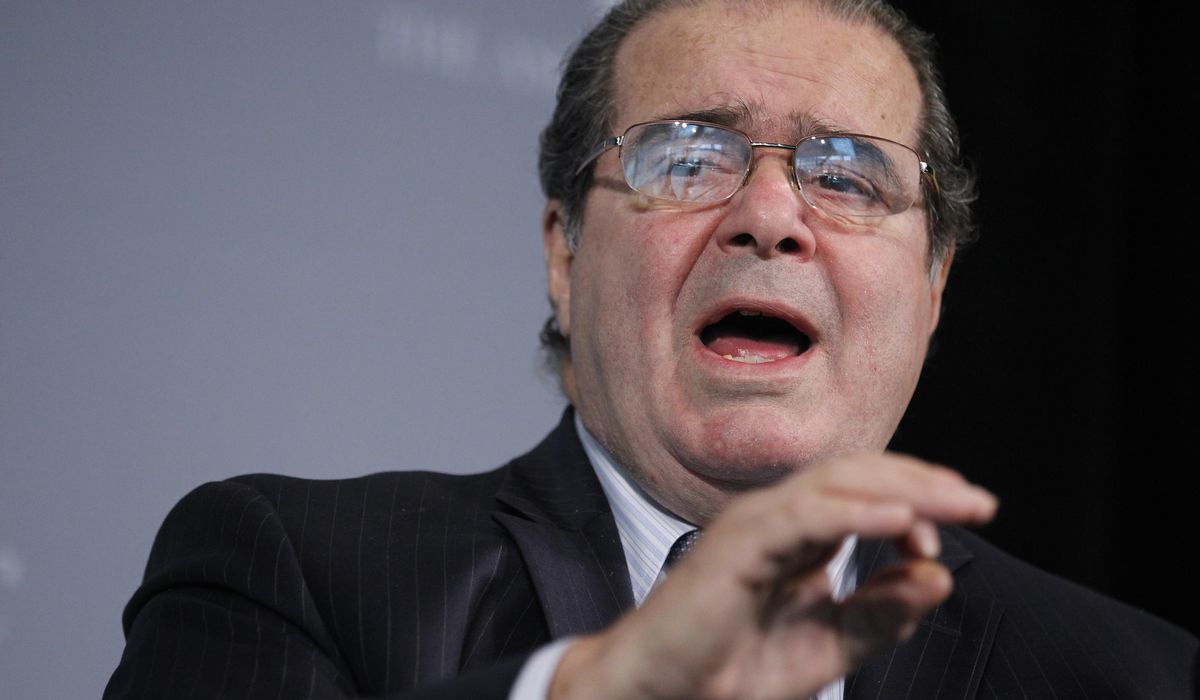
A newly surfaced Scalia letter defends his landmark religious-liberty ruling, conservatives vow to fight the birthright citizenship decision, and South Florida women warn of illegal immigrants using deceptive tactics; this article traces those developments and why they matter to judges, lawmakers, and local communities.
The recently disclosed Scalia letter reopens debate about how the courts balance religious liberty and government interests. The letter, seen by many conservatives as a plain-text defense of his approach, argues that protecting conscience and faith-based practice was consistent with his judicial philosophy. That defense resonates with Republicans who favor originalist reasoning and worry about judicial overreach when rights collide.
Scalia’s voice still carries weight on the right because he framed religious liberty not as a special privilege but as a constitutional guarantee rooted in text and tradition. The newly surfaced correspondence reiterates points from his public opinions and offers colleagues a concise defense of limiting government intrusion on worship and conscience. For conservatives, the letter is backstop ammunition in a cultural fight over how courts interpret the First Amendment.
Meanwhile, conservative leaders are openly promising to challenge the recent birthright citizenship decision they view as a threat to national sovereignty. Critics argue that an expansive reading of the 14th Amendment can create incentives for illegal immigration and strip Congress of its role in crafting immigration rules. Republicans are framing this as a constitutional and practical problem: when courts reinterpret text far from its original meaning, the people’s elected representatives lose tools to manage borders and citizenship policy.
The response from conservative attorneys and lawmakers is both legal and political. Expect amicus briefs, aggressive appellate strategies, and legislation aimed at clarifying Congress’s authority over naturalization and immigration. At the same time, Republican officials plan to press the narrative in state capitals and the halls of Congress: birthright rules that deviate from historical understanding must be questioned and corrected through lawful means. The strategy mixes courtroom pressure with policy initiatives that keep the issue live ahead of elections.
On the ground in South Florida, women in local communities report fears tied to illegal immigration, describing incidents they say involve deceptive tactics by some who cross without authorization. Those concerns range from safety anxieties to complaints about strain on public services and local infrastructure. These first-person reports feed into the broader conservative argument that legal ambiguity on citizenship and immigration policy has real, immediate consequences for neighborhoods and families.
Local voices matter in this debate because they shape policy priorities and electoral outcomes. When residents describe the day-to-day problems they link to immigration enforcement gaps, Republican lawmakers use those narratives to justify stricter measures and clearer statutory definitions. This is not merely a conversation about legal theory; it is presented on the right as a question about public order, taxpayer fairness, and community wellbeing.
The intersection of judicial philosophy, high court rulings, and local experiences creates a charged political environment. Conservatives see the Scalia letter as intellectual support for narrower readings of constitutional protections, while the birthright citizenship fight becomes a test of how much power judges should have versus Congress. At the same time, community-level reports from places like South Florida supply the emotional and practical fuel for policy change.
Expect the coming months to feature heated litigation, legislative proposals, and a public messaging campaign from Republican leaders that links courtroom doctrines to everyday consequences. The debate will center on who decides citizenship rules, how religious liberty should be protected, and how communities cope with immigration challenges. That dynamic—lawyers in briefs, lawmakers at podiums, and neighbors sharing firsthand accounts—will shape the next phase of conservative strategy.

