

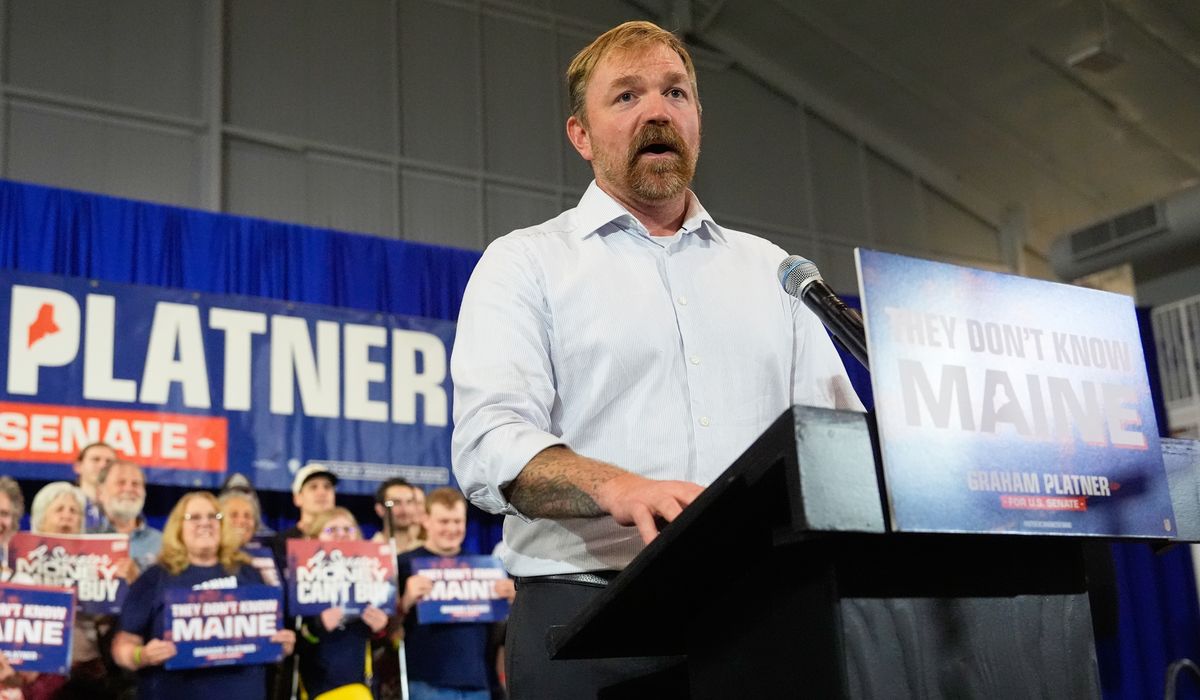
Graham Platner has officially withdrawn from the U.S. Senate race in Maine, ending a tumultuous stretch in which a rape allegation shattered the left-wing coalition that had powered his campaign. The abrupt exit leaves a crowded field scrambling to adjust and hands voters a messy, unresolved chapter in a high-profile contest.
Platner’s exit was swift and final, and it underlined how quickly a campaign can unravel when serious allegations emerge. What started as a competitive bid backed by progressive groups dissolved into a controversy that undercut the campaign’s momentum and fundraising. The withdrawal removes a candidate who had been counting on that left-wing coalition to build a statewide operation.
The allegation at the center of the collapse triggered a cascade of defections within the coalition that once buoyed Platner’s run. Supporters and key backers distanced themselves as the political and reputational risk rose, and that loss of organizational cohesion proved decisive. Campaigns rely on trust and unity; once those were gone, Platner’s path forward narrowed quickly.
From a Republican point of view, this episode highlights the fragility of coalitions assembled more around identity and ideology than durable voter connections. When controversy hits, loosely held alliances are the first to fall apart, leaving chaotic outcomes that hurt voters more than insiders. Republican observers see an opportunity to press for steadier candidates with clear records and fewer scandals.
Beyond the partisan spin, the practical effects are immediate. A withdrawal reshuffles endorsements, donor commitments and volunteer networks across the state, forcing other hopefuls to recalibrate. The vacancy created by Platner’s exit will prompt strategy shifts for both parties as they assess who can consolidate support and appeal to a broader electorate. Campaign calendars, debate lineups and fundraising calendars all feel the ripple effects.
Accountability and the rule of law are central to how this played out in public view. Allegations of this nature demand careful, impartial attention from law enforcement and a respectful approach to the accuser and the accused. At the same time, political actors must consider how to protect due process while not downplaying the seriousness of claims that affect public trust.
Maine voters now face a different slate than they expected when the campaign began. Candidates who were positioned to compete with Platner must now decide whether to chase his former supporters or pivot toward the center to attract swing voters. Republican campaign strategists will push to convert the uncertainty into an advantage by presenting disciplined messages about leadership and stability.
The media and opposing campaigns will scrutinize how the remaining contenders respond to the fallout. Handling the moment with professionalism and clarity could determine who gains momentum in the coming weeks. For Republicans, the goal will be to contrast steadier governance messages against the chaotic picture left behind by the collapsed coalition that once funded Platner’s effort.
Local party leaders and grassroots organizers are already weighing the consequences for down-ballot races and legislative priorities tied to the same voter blocs. Shifts at the top of a high-profile race have a way of translating into different turnout patterns, and both parties will be watching registration and engagement data closely. Effective ground operations may prove decisive in a reshuffled contest landscape.
What remains undeniable is that Platner’s withdrawal caps a turbulent run and changes the arithmetic in Maine’s Senate fight. The departure serves as a cautionary tale about building campaigns on fragile alliances and the vulnerability that follows when serious allegations surface. Voters will now judge the remaining field on competence, character and the ability to restore confidence after a disruptive episode.

