

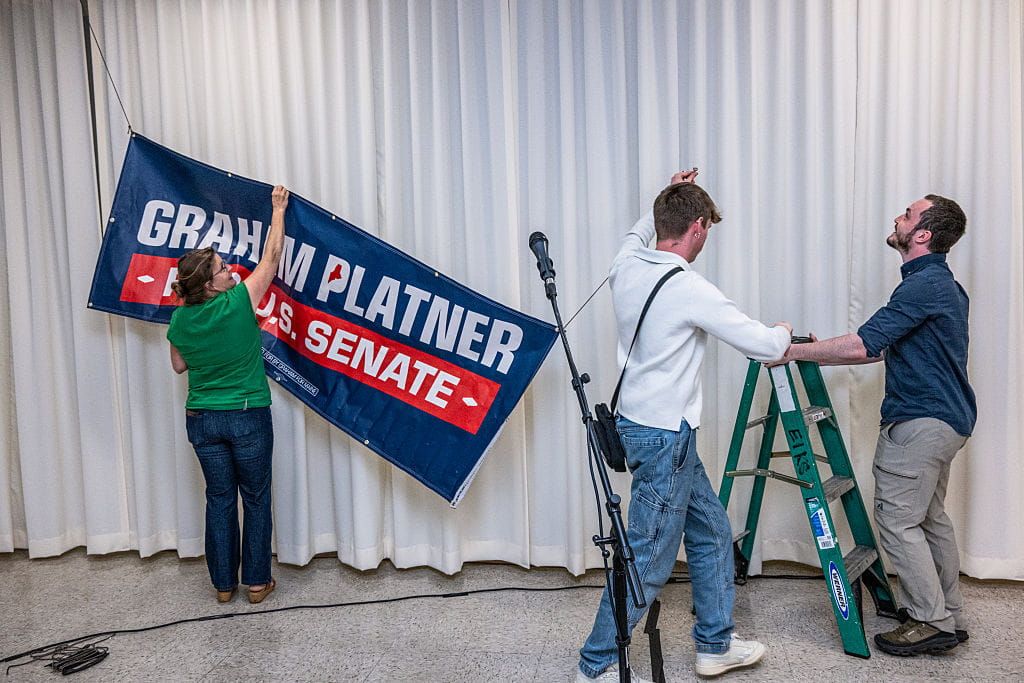
A hard-right take on the Graham Platner story that questions motives, points out political consequences, and asks whether the same erosion of standards that produced Kamala Harris’s rise is happening again.
The headline alone, The Graham Platner Debacle: Kamala 2.0?, forces a look at how political theater and establishment instincts can elevate a candidate or scandal beyond its real merits. What started as a mishandled episode quickly turned into a symbol for larger weaknesses inside the system. Conservatives need to understand how narratives get built so we can respond smarter next time.
Jul 11, 2026 marked a moment when many on the right watched familiar patterns repeat. Career media operatives and party insiders rallied around damage control instead of clear answers, which only amplified public skepticism. That pattern feels uncomfortably similar to past moments when the left found traction despite weak substance.
At the core of the debate is accountability, not theater. The specifics of the Platner situation are less important here than the institutional reflexes that shaped the response. When officials prioritize optics over transparency, they invite comparisons to past leaders who rose on narrative while avoiding tough scrutiny.
The phrase “protecting democracy” has been used so often it’s become almost a reflexive shield for bad behavior. Whatever happened to “protecting democracy”? People hear those words and assume they signal principle, but too often they mask partisan self-preservation. Conservatives should call out that language when it’s deployed as cover rather than as a real standard.
Comparing Platner to Kamala is provocative because it gets to the heart of power politics. Kamala Harris benefited from institutional backing and media momentum that smoothed over liabilities. If Platner is being treated the same way, the conservative critique should focus on how establishment dynamics produce winners regardless of merit.
There’s also a strategic lesson for Republicans: don’t let the other side define the terms of engagement. When the media and insiders set the frame, your responses become reactive. Instead, force the debate back to tangible issues—competence, judgment, and clear policy differences that voters can grasp.
Voters are tired of spectacle and short on patience for half-answers. They notice when investigations stall or explanations feel scripted. Pointing this out isn’t cynicism; it’s a demand for straightforwardness that resonates with everyday Americans.
The GOP should use this moment to sharpen standards rather than to score cheap political points. Highlight the need for independent inquiries, insist on real evidence, and stress the importance of predictable, principled leadership. That approach protects institutions while also making a strong contrast with opportunistic politics.
At the same time, Republicans must avoid hypocrisy. If the party resorts to the same playbook of manufactured narratives or selective outrage, it loses moral authority. Conservative messaging that sticks to facts, clear questions, and consistent principles will land better than echoing the establishment’s tactics.
Looking ahead, the lesson is practical: train spokespeople to keep messages tight, press for documents and testimony, and refuse to be distracted by manufactured scandals. Build a record of policy wins and visible competence so when controversies arise, the answer isn’t more spin but a track record voters can trust.
Finally, the Platner episode should spark a broader conversation about how modern political power is granted and protected. If elites continue to reward narrative over substance, they risk eroding public trust across the board. Conservatives can turn that risk into an advantage by offering transparency, accountability, and a clear alternative to business-as-usual politics.

