

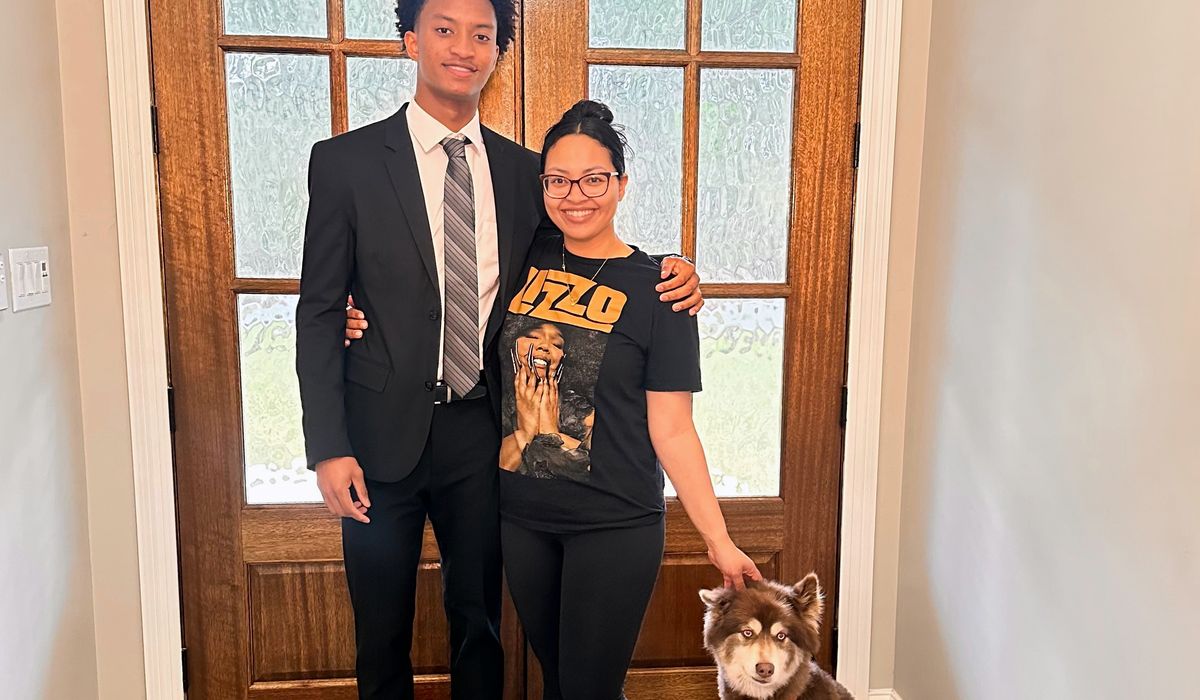
Attorneys for Nolan Wells’ family say they will work with the local district attorney’s office investigating his death to inspect the contents of his cellphone, and the family recovered the phone.
The family’s legal team has said they plan to cooperate with the district attorney’s office to gain access to data on the device tied to the investigation. That cooperation typically means coordinating with prosecutors and forensic examiners to make sure the phone is handled in a way that preserves evidence. At this stage, officials and family lawyers are focused on securing the phone and beginning a documented review of its contents.
Cellphone data can be a key piece of modern investigations, offering location logs, messages, call histories, photos, and app records that may shed light on events. Forensic extraction methods vary depending on the phone model, operating system, and whether the device is locked or damaged. Investigators and defense teams often debate the best approach, balancing the need to preserve evidence with concerns about privacy and legal procedure.
Chain of custody matters from the moment a device is recovered, so the family’s involvement in retrieving the phone is meaningful for maintaining continuity. Proper documentation shows who had access, when transfers occurred, and what steps were taken to prevent tampering. That record becomes central if questions arise about whether the data was altered or if any evidence was lost during handling.
When a phone is locked with a passcode or biometric security, investigators sometimes seek a warrant or court order to compel unlocking or to obtain data from service providers. Service providers can sometimes supply backups, metadata, or transactional records even if the phone itself is inaccessible. The district attorney’s role includes evaluating legal avenues to obtain that material while respecting constitutional protections and privacy rules.
Independent forensic experts may be brought in by either side to extract and analyze data, and the family’s attorneys can request an independent review to confirm results. Third-party examiners use specialized tools and methodologies intended to avoid altering original files and to create verifiable copies for analysis. Those copies are what prosecutors and defense teams typically examine during an investigation or potential prosecution.
Preserving digital evidence requires careful handling of power state, network connections, and environmental factors that could corrupt files. Examiners often place devices in Faraday bags to block remote wiping or network activity and create full forensic images of storage. These images allow investigators to search for deleted items, timestamps, and communications without risking changes to the original device.
Transparency with the family about what’s found and how it’s handled can ease tensions and reduce distrust during a high-stakes inquiry. Attorneys representing the family will likely insist on written protocols, shared copies of forensic images, and a clear timeline of actions taken by authorities. That cooperation can help align expectations and make the process feel less adversarial as facts are gathered.
Legal teams may also review whether any civil remedies or additional investigative steps are appropriate depending on what the data reveals. If forensic work uncovers evidence suggesting criminal behavior, prosecutors could pursue charges; if the data supports a non-criminal explanation, it might close investigative questions. Either way, the collection and interpretation of cellphone data remains a technical and legal matter that takes time to resolve.
Community interest in cases like this often centers on whether transparency will follow the investigative process, and whether findings will be shared publicly without compromising ongoing work. Prosecutors balance public disclosure with the integrity of an investigation and the privacy rights of involved parties. Statements from attorneys and officials can help clarify expected timelines and what kinds of information may be released.
As the phone is examined, experts will look for corroborating evidence across multiple sources, including call records, geolocation data, and any media stored on the device. Cross-referencing those digital traces with witness statements, surveillance footage, medical findings, and other records is standard investigative practice. That multi-source approach helps investigators build a more reliable picture of events while avoiding overreliance on a single data point.

