

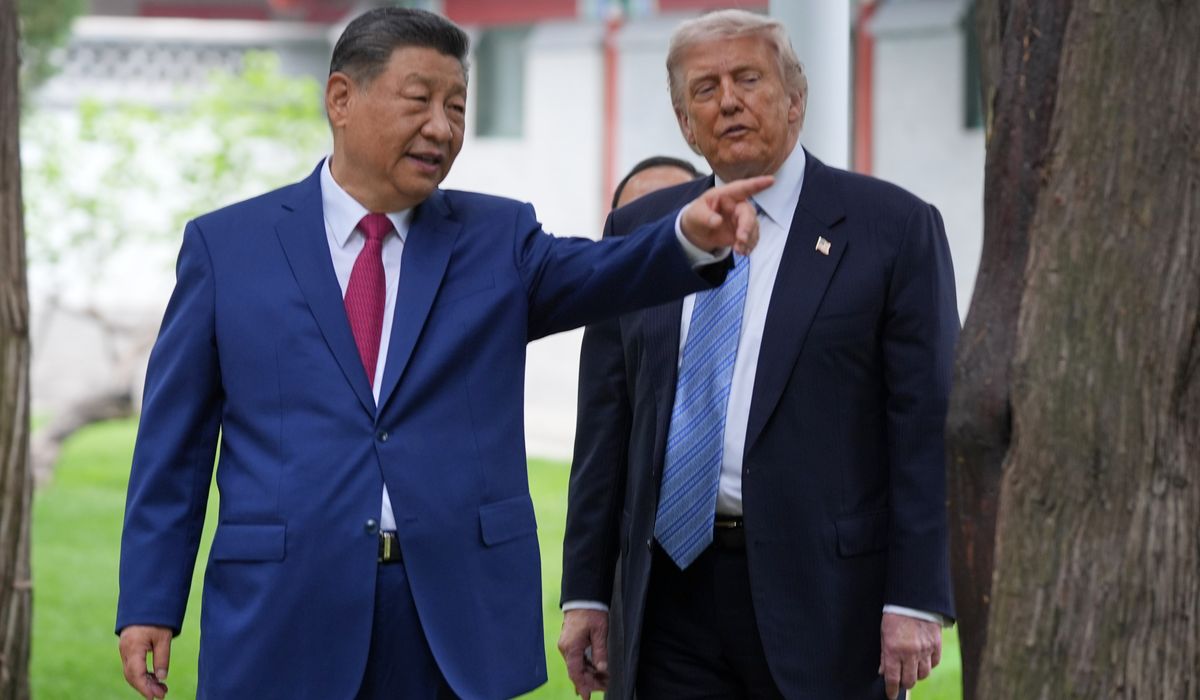
The Pew Research Center found that global opinion has flipped this year, with more people now viewing China more favorably than the United States, signaling a major shift in international perceptions.
For decades the world tended to see the United States more positively than China, but a recent Pew Research Center poll shows that pattern has reversed this year. That change matters because global opinion influences trade, diplomacy, and the moral standing nations claim on the world stage. Republicans should take that as a wake-up call to be clear-eyed about the costs of complacency.
There are practical reasons for the shift. Economic worries, supply chain vulnerabilities, and rising living costs at home have dulled enthusiasm for Washington in some countries. At the same time, Beijing’s targeted diplomacy, investment in infrastructure, and aggressive messaging have won favor in places where stability and quick results count.
We can’t ignore the propaganda and influence campaigns Beijing runs alongside legitimate economic ties. China plays a long game, packaging loans, ports, and construction as partnership while expecting political alignment in return. It’s effective where democratic governments are struggling to deliver immediate improvements for their citizens.
That effectiveness does not erase the realities of Beijing’s governance, including coercive economic practices and human rights abuses that the United States rightly criticizes. Republicans should point out that trading with China without safeguards hands leverage to an authoritarian state that uses economic pressure as a tool of policy. A firm stance on those practices is consistent with defending free markets and human dignity.
America’s response should be strategic, not reflexive. Strengthening supply chains, incentivizing onshore manufacturing, and coordinating with allies will reduce exposure to coercion and maintain access to critical technologies. Those steps protect American jobs and national security while offering a positive alternative to dependency on Beijing.
Diplomacy matters, too, and it must be honest. That means promoting trade and cooperation where interests align, but also calling out theft of intellectual property and unfair subsidies that distort markets. A Republican approach can pair toughness with openness by negotiating from strength and using tariffs, export controls, and targeted sanctions when necessary.
Public diplomacy deserves attention as well; America needs to sell its model of liberty and opportunity more effectively. Investing in cultural and educational exchanges, supporting independent media, and standing for rule of law will help rebuild goodwill over time. Those are long-term efforts, but they pay off in alliances and influence that no amount of infrastructure loans can buy.
Voters and leaders should treat the poll as a prompt to act, not as confirmation that America is failing permanently. The United States still leads in innovation, higher education, and military capability, and those advantages can be sharpened with sensible policy changes. Republicans can champion pragmatic steps that secure national interests while restoring global confidence in American leadership.

