

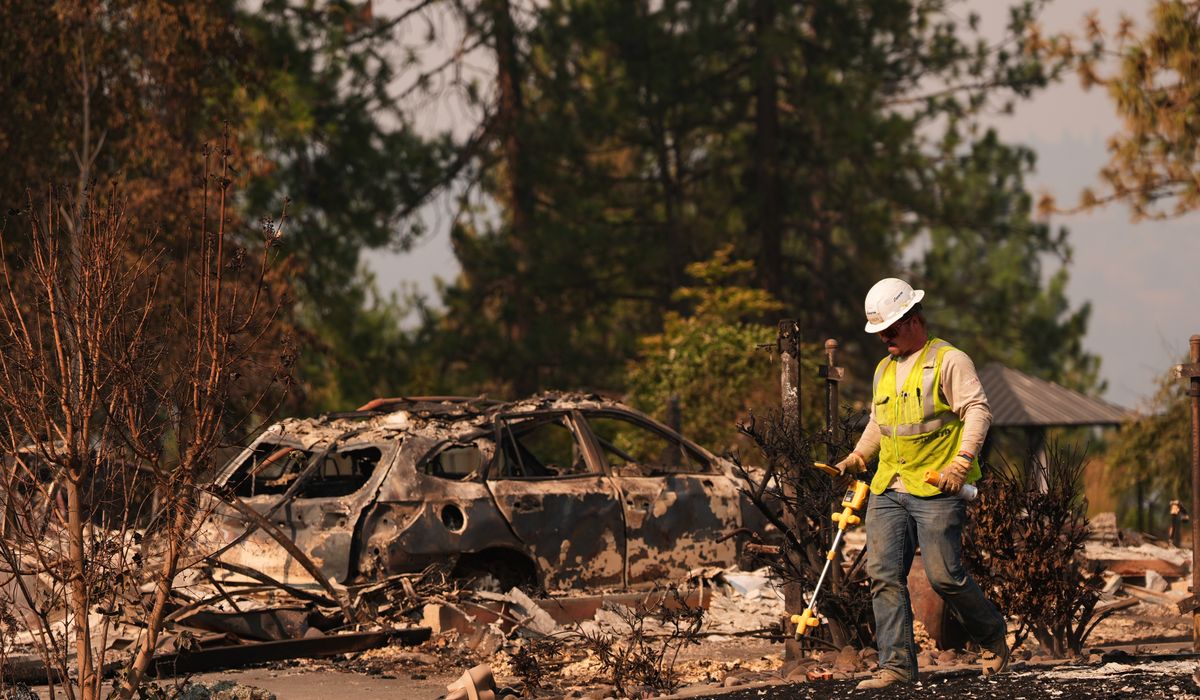
A Spokane man was arrested Monday and is facing charges accusing him of starting one of the three wildfires currently burning through the region.
Law enforcement officials arrested a resident of Spokane in connection with a suspected arson that investigators say fueled one of three active wildfires sweeping through nearby areas. Authorities labeled the fires as devastating, and the new criminal case adds a law-enforcement angle to the race against flames. The arrest came after an inquiry that officials described as active and ongoing.
Police and fire investigators typically work together in cases like this, combining on-the-ground evidence with satellite imagery and witness reports to determine origin points. When a human cause is suspected, investigators look for accelerants, patterns of ignition, and any surveillance footage or nearby activity. That investigative process can take days or weeks, depending on weather and available forensic resources.
Wildfires in the region have strained local firefighting resources and threatened communities across multiple counties. Crews have focused on containment lines, evacuations where necessary, and protecting critical infrastructure. The presence of a criminal charge for alleged ignition complicates the local response by adding a parallel legal investigation.
Arson is treated seriously because intentional fires put lives and property at acute risk and divert firefighting assets from other priorities. When charges are filed, prosecutors may pursue penalties that reflect both the damage caused and the danger to human life. Those charged will face court proceedings that determine guilt and potential sentences under state law.
Community leaders and emergency managers urge residents to follow evacuation orders and to stay informed through official channels as fires evolve. Even when a suspected human cause is identified, weather, fuel conditions, and topography continue to shape how a blaze spreads. People in affected areas should assume conditions can change rapidly and plan accordingly.
Investigators often release limited information early in a case to avoid compromising evidence or future testimony, which means public updates can be sparse at first. Agencies may withhold specific details like the suspect’s identity or precise location of arrest until charges are filed or court rules permit disclosure. Over time, as filings are made public, more specifics typically emerge through court documents and press briefings.
Local and state firefighting agencies remain focused on containment and minimizing additional ignitions while public safety officials monitor air quality and road closures. Fire behavior this season has been influenced by dry fuels and shifting winds, factors that make containment challenging. Mutual aid agreements can bring extra crews and equipment when multiple incidents stretch resources thin.
The legal process will unfold in the coming weeks, with arraignment, possible bail decisions, and preliminary hearings marking early milestones. Defense attorneys may seek discovery and file motions that influence how evidence is handled at trial. Meanwhile, prosecutors must build a case that proves intent or reckless conduct beyond a reasonable doubt for a criminal conviction.
Families and businesses affected by the blazes face an uncertain immediate future and may look to disaster assistance and insurance as recovery paths. Nonprofit groups and local governments often coordinate sheltering, supplies, and financial help for those displaced. Recovery timelines can vary widely depending on property damage, environmental cleanup needs, and available funding.
As the situation develops, officials encourage the public to report suspicious activity and to take common-sense precautions to reduce accidental ignitions. Even with a criminal case underway, preventing additional fires remains a top priority for communities and responders. Continued vigilance, clear communication, and coordinated response efforts help protect lives and limits the long-term damage from these events.

