

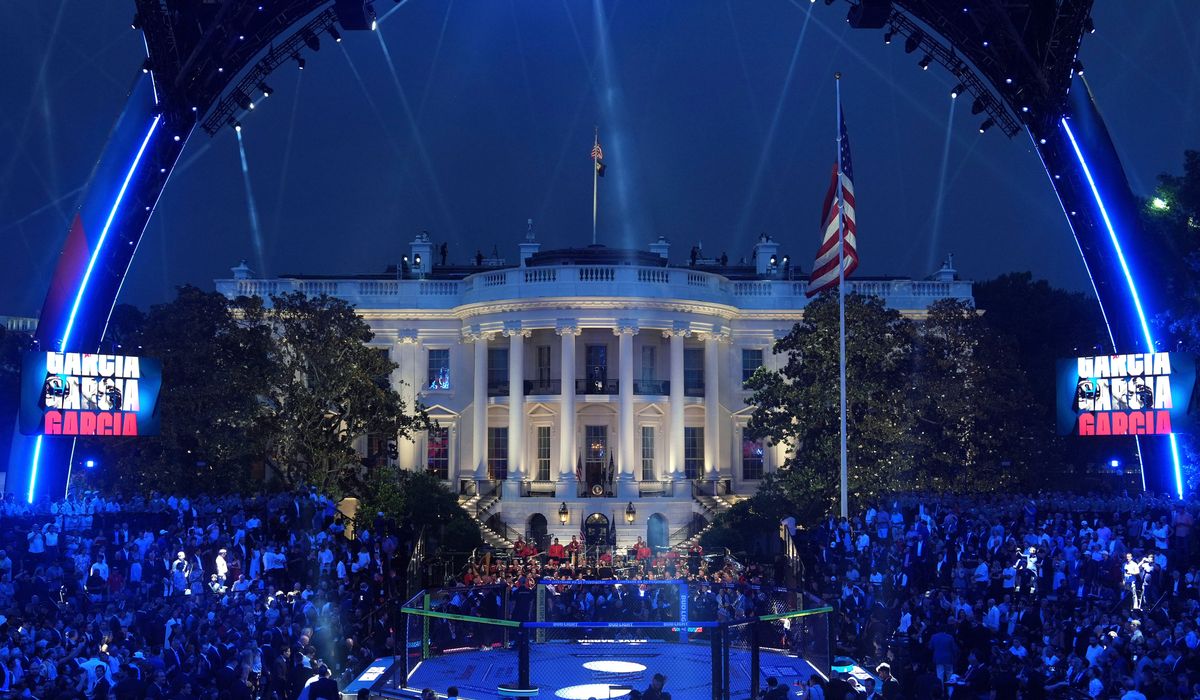
The White House’s June mixed martial arts matches cost UFC’s owners about $30 million, but long-term exposure and deals could make it worth every dollar.
The spectacle in June put a spotlight on how politics and big business intersect, and not always in tidy ways. From a Republican view, it looked like the administration was trading governance for glitz, even as private enterprise counted up the price and the potential upside. This piece breaks down the money, the optics, and why the bargain might make sense for the UFC even if it raises questions about who benefits politically.
The headline number is hard to miss: roughly $30 million in costs tied to those matches. That tab covered logistics, security, production and the premium that comes with staging events close to the seat of power. For the UFC, those sorts of one-time expenditures are heavy, but they bought something companies crave more than a single payday — attention and credibility in new circles.
Even conservatives who dislike the administration’s theatrics should admit the math on exposure is simple. TV audiences, streaming deals and branded content all amplify whatever you stage on a grand platform. When major sponsors and broadcasters see spikes in viewership and engagement, they re-evaluate rights fees, ad commitments, and long-term deals in ways that can dwarf the initial outlay.
There is political risk in partnering with a White House event. Opponents on either side can weaponize the optics, and the UFC now sits in a tricky place between sports fans and partisan headlines. Republicans are justified in asking whether taxpayer resources or presidential gravitas should be used to elevate private brands. That scrutiny is important for accountability and for protecting institutions from becoming marketing channels.
Still, business leaders often play a long game. Fighters, promoters and sponsors get a visibility bump that translates into higher purses, better streaming contracts and more premium sponsorship slots. Merchandising and licensing opportunities follow when a mainstream moment makes a sport feel essential to culture rather than niche. Those downstream revenue streams can recoup an ambitious initial spend several times over.
Another practical point conservatives should notice is how public attention creates bargaining power. The UFC can walk into renewal talks for broadcast rights with fresh leverage after a headline-making event. Networks and platforms competing for exclusivity see proven audience appetite and adjust offers. That kind of leverage is the reason firms tolerate up-front losses in exchange for strategic positioning.
There are policy implications, too, and they matter at the ballot box. When the federal government appears to selectively endorse or facilitate private ventures, voters want to know who gets access and why. Republican messaging can focus on fairness and transparency, arguing that public institutions should not become stages for private profit unless the public interest is clear and documented.
At the same time, conservatives should not reflexively reject the deal-making instincts of American industry. Turning headlines into durable business value is how markets reward risk and innovation. The right questions are practical and pointed: who benefited, how were decisions made, and did the public interest get protected while a private company scored a boost? Those answers will shape how these moments are viewed in future political cycles.

