

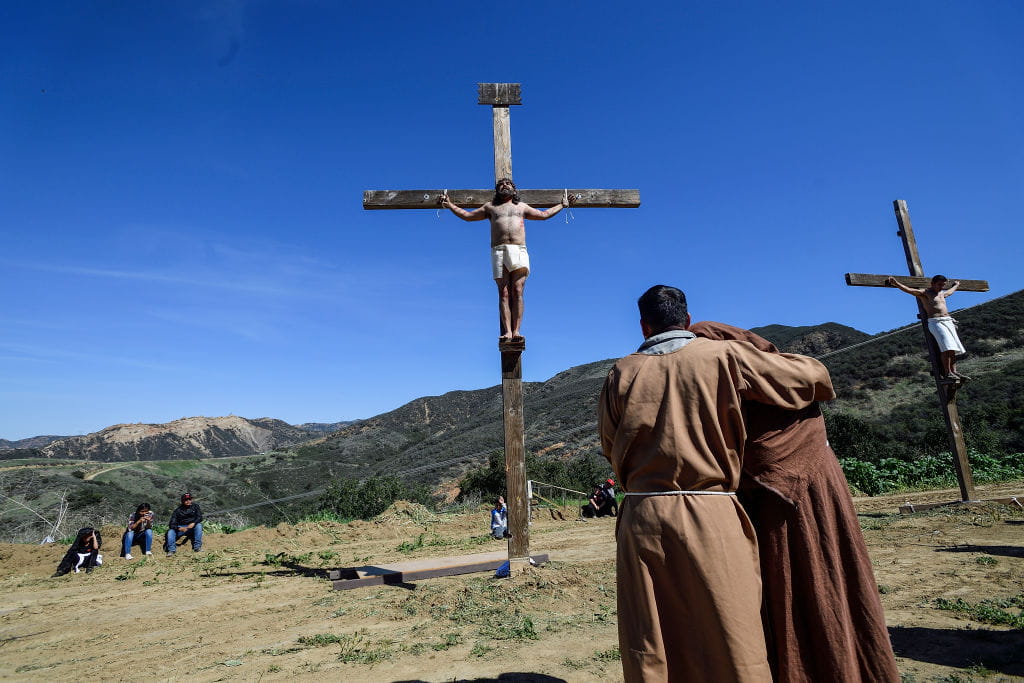
Today is Good Friday, observed on April 3, a day when Christians remember the suffering, crucifixion, and death of Jesus Christ; this piece looks at that historical act of sacrifice, how it contrasts with modern aversion to hardship, and why a renewed willingness to endure difficulty matters for character and community.
Good Friday marks the moment roughly 2,000 years ago when Jesus accepted crucifixion, an event that sits at the heart of Christian reflection on suffering and redemption. The day prompts millions to pause and consider what sacrifice and forgiveness really mean in daily life. For many, the story of Jesus is not distant history but a living call to measure values against actions.
Modern life prizes comfort, convenience, and safety in ways that would astonish previous generations, and this preference colors how we think about pain and purpose. Advances in technology and medicine have reduced many physical hardships, but they have not eased the human need for meaning or moral courage. That creates a cultural tension: we can avoid discomfort more easily, yet we still face choices that demand resolve and selflessness.
When people treat every discomfort as an enemy to be eliminated, they risk losing the discipline that builds resilience and moral clarity. Facing hardship can reveal priorities, sharpen judgment, and deepen empathy for others who suffer. Those outcomes matter for relationships and communities, where shared burdens often produce stronger bonds than isolated comforts do.
Socrates is often credited with the idea that examined living matters, and that kind of reflection is relevant to Good Friday’s message about sacrifice and consequence. Wrestling with why suffering exists and how we respond to it forces ethical thinking rather than allowing convenience to set the agenda. That reflection is not an exercise in masochism but an invitation to choose what we will stand for when things are hard.
Religious traditions have long guided communities through rites that acknowledge loss, endurance, and renewal, and Good Friday is one such touchstone for Christian believers. The ritual remembering of Christ’s suffering invites participants to connect personal trials with a larger narrative about meaning and redemption. This link between private struggle and public faith can transform how people approach responsibility and service.
Practical life demonstrates the difference between sheltered comfort and tough-minded commitment: leadership, parenting, and citizenship all require accepting difficulty with purpose. When leaders shy away from necessary but uncomfortable choices, institutions and families can suffer long-term consequences. Conversely, communities that value fortitude tend to cultivate citizens who contribute steadier effort over time.
Recognizing the value of sacrifice does not mean glorifying pain for its own sake, but it does mean refusing to treat discomfort as an automatic failure to be erased. Some hardships are needless and should be addressed; others are inevitable and can be turned into opportunities for growth. Distinguishing between the two is a practical skill that helps individuals navigate work, relationships, and moral dilemmas.
On April 3, as people observe Good Friday, the day provides a chance to rethink personal priorities and communal habits without turning religious observance into sentimentalism. Remembering the crucifixion prompts sober questions about what we are willing to endure and what we will defend. That kind of questioning can be quiet and steady, pushing us toward actions that reflect conviction rather than comfort.
Ultimately, the lesson of this solemn day is not a call to seek out suffering, but an encouragement to meet it with purpose when it comes. If modern life has made us too quick to avoid every difficulty, then a reappraisal of sacrifice and commitment can restore balance. Facing necessary hardships with intention can build character, sustain communities, and give deeper meaning to the comforts we work to preserve.

