

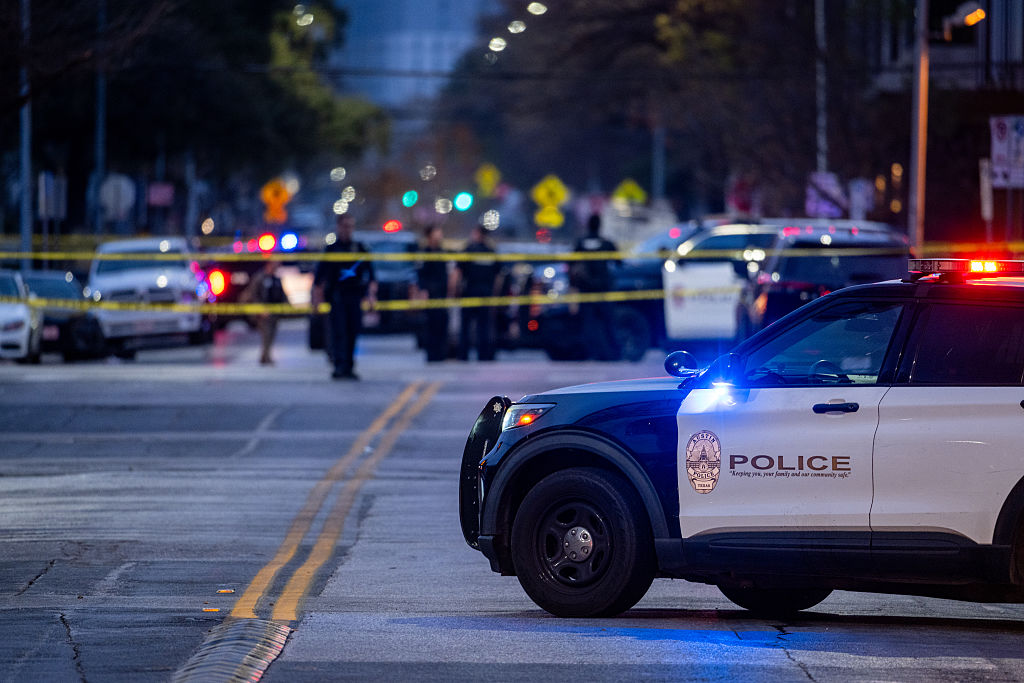
A morning shooting in Austin left three dead, including the shooter, and 14 people wounded as the FBI probes whether the attack was connected to the US-Israel joint strike on Iran known as Operation Epic Fury.
The early hours in Austin turned deadly when a shooter opened fire in a public area, killing two civilians and later being confirmed among the dead. Fourteen other people were injured and rushed to hospitals, creating a chaotic scene for first responders. Local authorities immediately requested federal assistance and the FBI labeled the incident a possible act of terrorism linked to recent foreign strikes.
This case landed squarely at the intersection of domestic violence and international fallout, with investigators looking at motive, timeline, and any ties to outside actors. The mention of Operation Epic Fury in reports reflects how quickly overseas military actions can ripple back home. For voters and leaders who prioritize safety and clear strategy, that ripple raises obvious questions about consequences and preparedness.
Law enforcement on the ground worked through the morning to secure the area, interview witnesses, and establish the shooter’s identity and movements. Evidence collection and surveillance review will be crucial in determining whether the attack was coordinated or inspired by external events. The community response was immediate, with neighbors and local businesses assisting authorities and supporting victims.
The FBI’s involvement signals that federal authorities consider this more than a local crime scene, treating it as a potential national security issue. When an incident is labeled as possible terrorism, investigative tools broaden and agencies coordinate across jurisdictions. Republicans who favor strong national security measures will watch closely for how intelligence and law enforcement are aligned here.
Operation Epic Fury, the US-Israel joint strike on Iran, has been a flashpoint in national discourse and now appears in the context of domestic violence. Linking foreign policy actions to homegrown attacks is not a new pattern, but every instance demands careful scrutiny. Leaders must balance decisive action abroad with clear communication about risk and protective steps for the public.
Families of the victims are dealing with shock and grief, and local hospitals reported treating a range of injuries from gunshot wounds to trauma-related conditions. Medical staff and emergency services were praised for their quick response, which likely saved lives and reduced the death toll. Communities across the city gathered to donate blood and supplies, showing solidarity even as questions remain.
Political leaders at all levels responded with statements urging calm and promising thorough investigation, while emphasizing support for law enforcement. From a Republican perspective, the immediate priority is law and order and ensuring agencies have the tools they need. That includes better information sharing between local police and federal partners, and a clear plan to protect civilians from spillover effects of foreign conflicts.
Public safety discussions will now include not just how the attacker obtained weapons and moved through the city, but also whether broader political events contributed to motive or recruitment. Policymakers should be realistic about how foreign strikes can inflame tensions and inspire lone actors here at home. Preventing those consequences requires both strong deterrence abroad and strong intelligence and community policing at home.
The conversation will inevitably touch on civil liberties and oversight, with some calling for more transparency and others for expanded authority for agencies. Republicans typically emphasize support for police and a robust national defense, while still noting the need for accountability in how power is used. Striking that balance is key to maintaining public trust while confronting serious threats.
Meanwhile, victims and their families require tangible support: medical care, counseling, and assistance navigating the aftermath. Elected officials should focus resources on recovery and on ensuring investigative findings are shared in an accurate, timely way. Citizens deserve clear facts so they can assess both immediate safety and broader policy choices.
As investigators work to piece together motive and possible connections to Operation Epic Fury, the public will be watching how federal and local agencies communicate their findings. Republicans will press for firm action to deter future attacks and for strategies that protect Americans without overreaching. The coming days should bring more details about the shooter, the timeline, and any verified links to overseas operations, and those facts will shape the policy debate that follows.

