

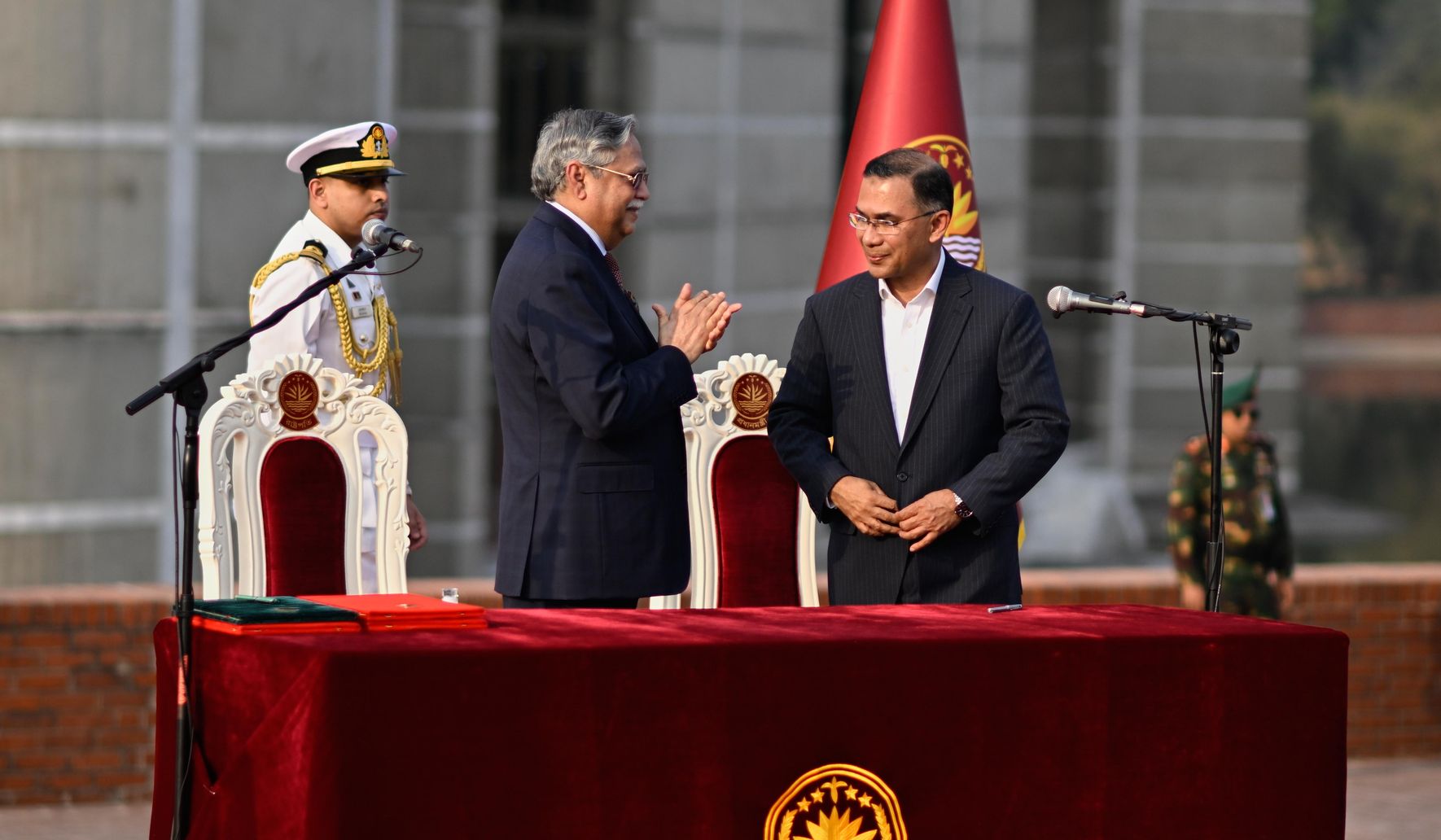
Bangladesh’s new prime minister was sworn in on Tuesday after his party’s landslide win in parliamentary elections last week, the country’s first since the massive 2024 uprising.
The oath marked a clear transfer of formal power after a decisive electoral result last week. The scene was orderly and ceremonial, but the broader political landscape remains charged by events from 2024. Citizens and observers now expect the new leadership to move quickly from campaigning to governing.
That election was the first national vote since the massive 2024 uprising, and the victory came as a sharp, unmistakable message at the ballot box. Voters delivered a landslide that handed the winner a dominant parliamentary position. With that mandate, the new administration will be judged on whether it converts political advantage into effective, practical reforms.
From a Republican perspective, stability and respect for law are central. The new government faces the task of restoring confidence in institutions while protecting citizens’ safety and property. That means firm but fair enforcement of the law and clear signals that peaceful dissent will be respected while unlawful violence will not be tolerated.
Economic renewal should be first on the agenda because prosperity is the best antidote to unrest. Policies that favor private enterprise, lower barriers for investment, and eliminate unnecessary regulation will create jobs and broaden opportunity. Fiscal responsibility and transparency will also be necessary to attract overseas capital and keep markets steady.
Institutional strength matters as much as policy. Free and impartial courts, a professional civil service, and genuine electoral safeguards are what turn temporary calm into lasting stability. The new government can demonstrate seriousness by inviting independent oversight and by protecting the independence of key institutions.
International partners will watch closely for signs of predictable governance and market-friendly reforms. Trade relationships, foreign investment, and development assistance respond quickly to signals about rule of law and fiscal discipline. The new leadership should send clear, consistent messages to reassure partners that Bangladesh is open for business and committed to reliable governance.
There are risks ahead that demand sober attention. A landslide victory can breed complacency, and heavy-handed tactics in the name of order can backfire and reignite opposition. Political leaders who balance firmness with respect for civil liberties will have a better chance of turning the electoral win into durable progress.
The first weeks in office will define the tone: will the government prioritize pragmatic reforms and economic growth, or will it double down on partisan dominance? Practical decisions on public spending, law enforcement, and regulatory reform will reveal whether the leadership aims for long-term stability or short-term control. Citizens, investors, and international observers will measure actions more than rhetoric.
What happens next will shape Bangladesh’s trajectory after a turbulent chapter in 2024. The swearing-in is only the opening move; the pressure now shifts to effective governance, accountable institutions, and policies that expand opportunity. If the new government focuses on orderly reform and economic freedom, it can translate a landslide into enduring gains for the country.

