

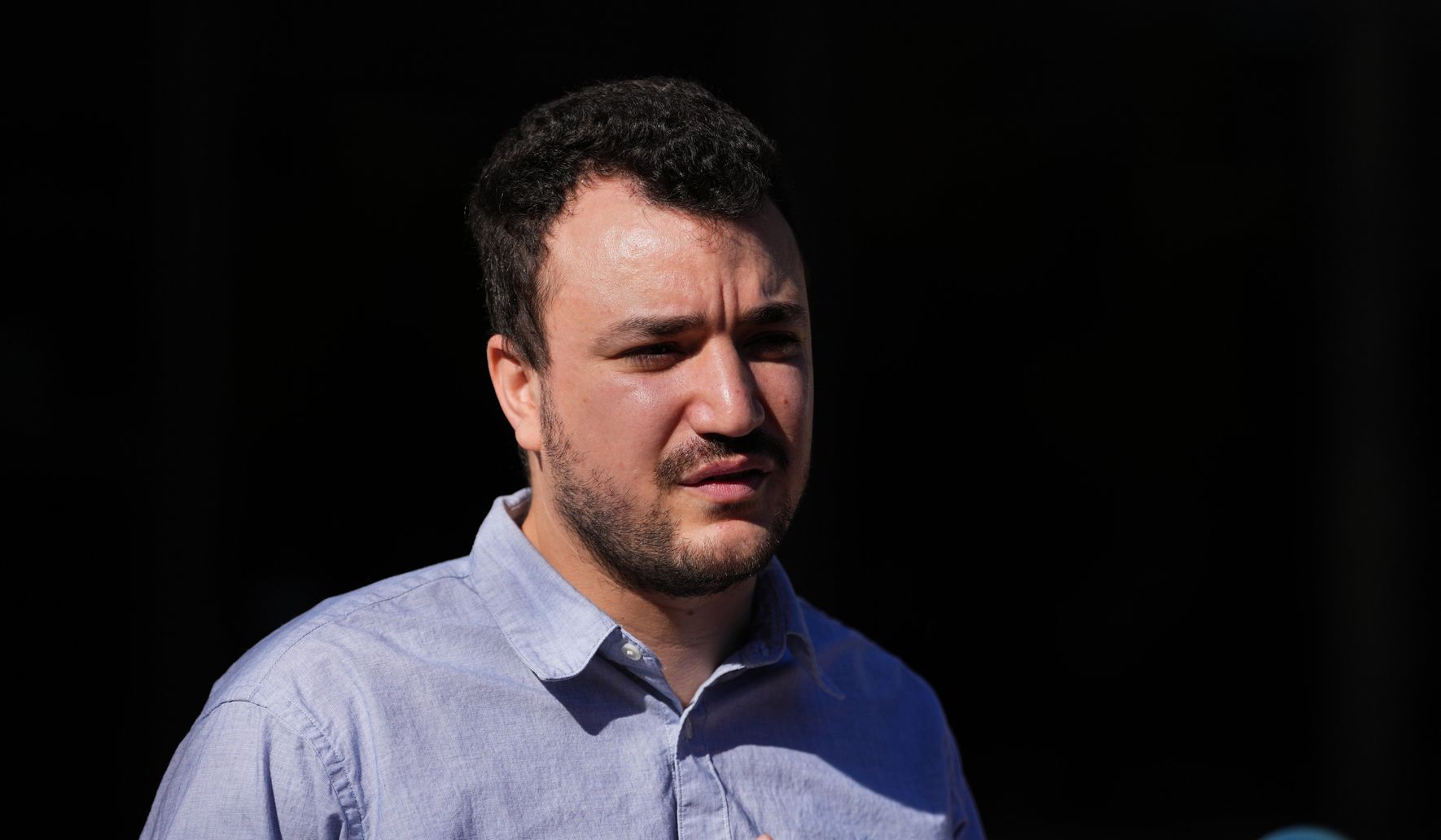
Mahmoud Khalil, widely identified as the leading pro-Palestinian student targeted for deportation by the Trump administration last year, has lost his deportation case after the Board of Immigration Appeals rejected his challenge. The decision marks a clear enforcement action in a high-profile immigration matter tied to campus political activity. This outcome raises direct questions about the balance between campus protest, immigration enforcement, and the rule of law.
Mahmoud Khalil became a recognizable name during last year’s wave of campus demonstrations, and federal attention followed. The Trump administration designated him as one of the students subject to deportation proceedings, framing the case within immigration enforcement priorities. The recent Board of Immigration Appeals ruling moves the case forward in a way that underscores government resolve on these matters.
From a Republican viewpoint, the BIA’s decision is a reminder that immigration laws have consequences regardless of political optics. Enforcement matters when individuals face immigration actions tied to behavior deemed problematic by authorities. The message is that illegal presence or violations can lead to legal consequences, even when the cases involve polarized campus politics.
Campus protests should be treated with consistent standards that protect safety and free speech while preserving order. When demonstrations cross into activities that violate laws or justify immigration review, the government is within its rights to act. The enforcement action in this instance signals a broader expectation that legal norms will be upheld, not ignored for the sake of optics.
Critics will predictably frame the outcome as punitive or politically motivated, but enforcement is not a partisan favor. Immigration adjudication follows statutory guidelines, administrative procedures, and appeals processes. The BIA’s role is to interpret and apply immigration law; its rulings reflect legal judgments rather than campaign narratives.
University administrators have responsibilities here, too, and many failed to manage the tension between campus activism and institutional order. Colleges are not safe harbors from federal law and should not act as shields for behavior that invites legal scrutiny. When protests escalate into potential violations, universities must coordinate with civil authorities, uphold discipline, and protect all students’ rights.
There is also a free speech angle that deserves attention. Peaceful political expression is essential, but it is not a blanket defense against legal consequences unrelated to speech alone. Actions that cross legal lines—whether criminal trespass, violence, or other offenses—can be addressed separately from the message. That separation preserves constitutional speech rights while allowing enforcement where needed.
For policymakers, the case highlights the need for clear borders between civil protest and legal accountability. Lawmakers who favor strong enforcement argue that targeted legal responses deter future lawlessness and protect communities. This case will likely be cited in debates over how immigration policy intersects with campus safety and protest management.
Supporters of strict enforcement also point out practical considerations about precedent and deterrence. When a high-profile case results in a settled legal outcome against a prominent figure, it sets expectations for similar situations. That kind of predictability matters for maintaining public confidence in the rule of law and immigration systems.
Opponents will emphasize civil liberties and warn against using immigration enforcement as a tool to silence dissent. Those concerns must be weighed, but they do not erase statutory responsibilities or administrative authority. A balanced approach recognizes both the need to protect political expression and the necessity of enforcing immigration and criminal laws when violations occur.
The BIA decision will inevitably affect legal strategies and campus conduct going forward. Legal teams, university counsel, and activists will reassess tactics in light of the outcome. At the same time, federal agencies may feel validated in pursuing similar cases when circumstances justify it.
Public reaction will remain split along familiar lines, with partisans interpreting the ruling through ideological lenses. Republicans will highlight enforcement as necessary and fair, while critics will warn about chilling effects on dissent. Both sides will use the ruling to bolster larger narratives about governance, rights, and public order.
Ultimately, this case sits at the intersection of immigration law, campus protest culture, and administrative decision-making. The BIA’s ruling is not an endpoint but a turning point that will influence legal arguments, campus policies, and political debate. How institutions respond now will matter for the next wave of activism and government enforcement actions.

