

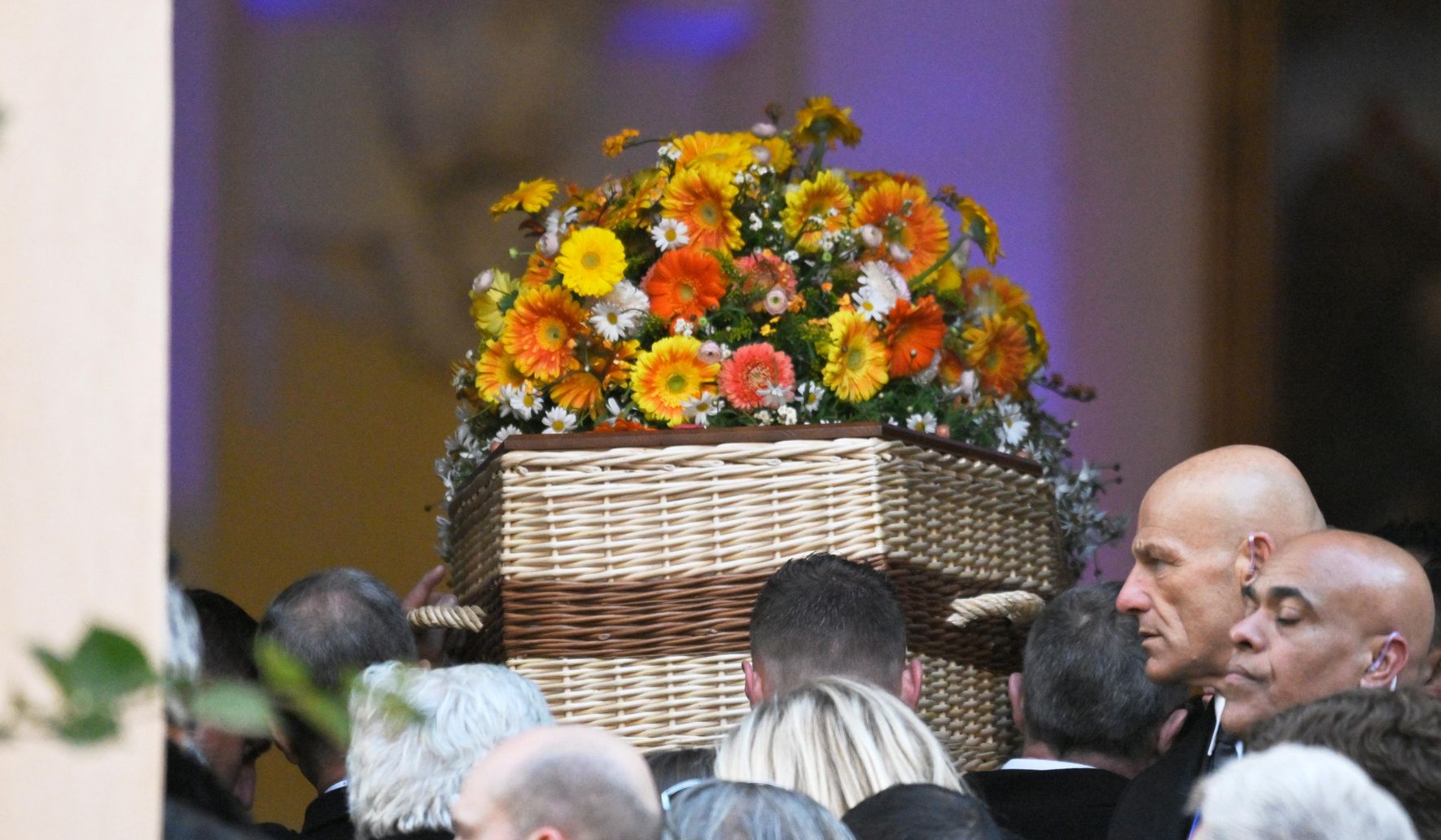
Brigitte Bardot’s funeral combined a close, private service with a public homage in Saint-Tropez, the French Riviera town where she lived for more than half a century.
The private ceremony brought together family and close friends to honor a life that left a big mark on culture and coastal France. Beyond the intimate gathering, the town prepared a public homage for admirers to pay their respects. The split between private mourning and public remembrance reflected how Bardot’s life bridged celebrity and community.
Saint-Tropez itself became part of Bardot’s story long before she needed a stage to be noticed, and the seaside town returned the favor by hosting her farewell rituals. Locals expected a quiet gravity mixed with the kind of soft, persistent attention that follows someone whose persona reshaped a place. The public homage allowed residents and visitors a chance to remember her presence along the coast.
Bardot stepped away from the film world decades ago and made her home on the Riviera, choosing a life that still kept her in the public eye. She lived in Saint-Tropez for more than half a century, folding the town into her identity and making it a pilgrimage spot for fans and film buffs. That long residency framed the funeral, underscoring why the community felt compelled to mark her passing publicly.
Her career in cinema and fashion made her an international symbol, but the way she settled into Saint-Tropez shifted how people thought of her. In the town she was not simply a screen icon; she was a neighbor, a fixture on local streets, and an emblem of a certain Mediterranean lifestyle. The contrast between cinematic glamour and everyday life in Saint-Tropez made the homage feel personal rather than performative.
The private service respected the family’s wish for a contained farewell while still being mindful of public interest. Those close to Bardot could grieve away from cameras and crowds, and that privacy mattered to people who had watched her leave the spotlight years earlier. At the same time, the tribute in town opened a space where the broader public could acknowledge her influence without intruding on family privacy.
On the day of the homage, the town’s rhythm shifted as people gathered at familiar spots to leave notes and flowers. Small memorials and informal gatherings provided a way for strangers to connect over a shared memory of her image or a film that stuck with them. Those modest acts of remembrance underscored how one life can ripple through a community.
Bardot’s life choices, from fame to retreat, invited varied responses, and the homage did not try to smooth over that complexity. For many, she remained a defining figure of an era, someone whose style and roles shaped expectations about cinema and allure. For others, the years after her retirement were a reminder that public figures evolve and choose quieter chapters.
The town’s decision to host both a private service and a public homage acknowledged that duality plainly and practically. It kept family needs central while giving the community a respectful outlet for grief and gratitude. That balance felt appropriate for a woman who had long balanced visibility with withdrawal.
Those who attended the public tribute were able to share stories, recall moments from films, and reflect on the image she left behind. Conversations mixed recollections of screen performances with memories of spotting her in market lanes and seaside cafes. The homage made room for both kinds of memory — professional and personal.
The reverence shown in Saint-Tropez was also a reminder of how place can anchor legacy. The town’s streets, beaches, and cafés had become part of her myth, and the homage tethered that myth to a real, lived landscape. For locals and visitors alike, the scenes of remembrance turned familiar spaces into markers of cultural history.
In choosing to live in Saint-Tropez for more than half a century, Bardot shaped more than her own retirement; she influenced how generations thought about the Riviera. The public homage allowed that influence to be witnessed and acknowledged in the very place it was most visible. It was a civic gesture as much as a personal one.
Ultimately, the combined funeral arrangements offered a clear message: private grief and public memory can coexist without diminishing either. Saint-Tropez provided the setting for both kinds of farewell, honoring a complicated, unmistakable figure in a town she made her own. The days of remembrance felt quietly true to the life she led there.

