

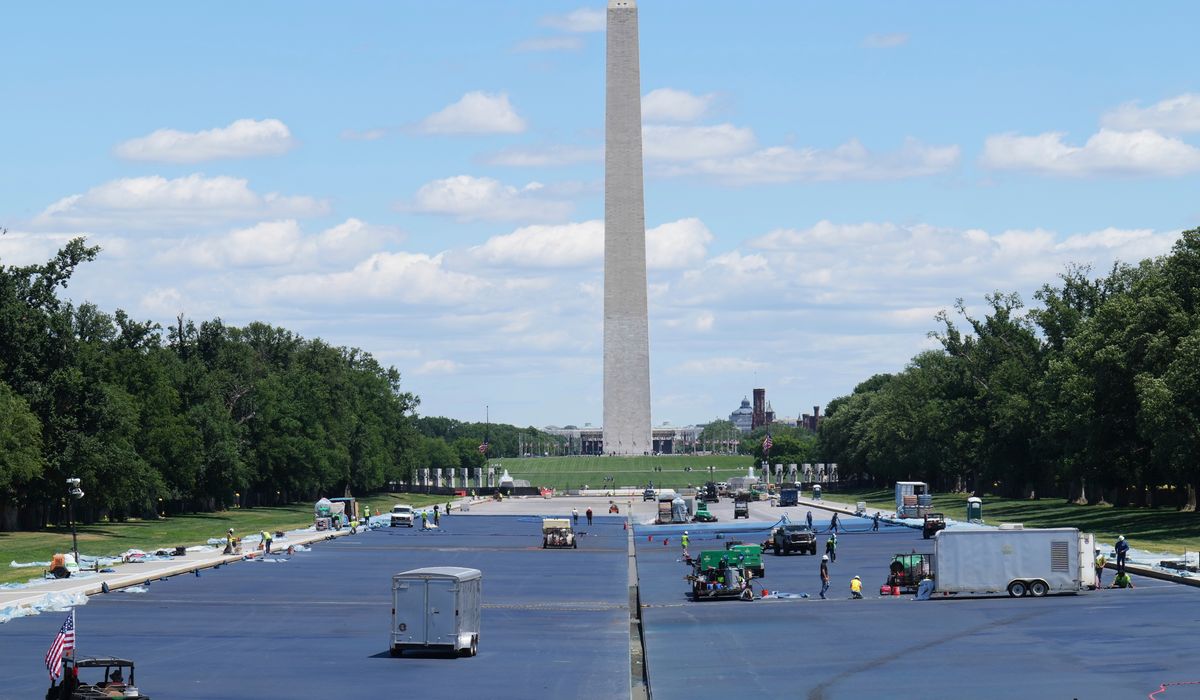
Interior Secretary Doug Burgum scolded The New York Times for a report on increased costs to renovate the Lincoln Memorial Reflecting Pool on the National Mall.
The Lincoln Memorial Reflecting Pool is more than water and stone, it is a public symbol that deserves careful stewardship and clear accounting, and that is the argument Interior Secretary Doug Burgum made when he pushed back against a recent report. Interior Secretary Doug Burgum scolded The New York Times for a report on increased costs to renovate the Lincoln Memorial Reflecting Pool on the National Mall. He framed the exchange as an issue of public trust, taxpayer responsibility, and the proper role of federal oversight when sensitive historical sites need repair.
From a Republican perspective, the debate over renovation pricing is about more than line items on a budget sheet, it is about competence and priorities in government. When projects on the National Mall face cost changes, officials should explain why, show how they will control spending, and outline the benefits to the public. That approach demands transparency without reflexive alarmism, and it treats taxpayers like partners rather than targets of sensational headlines.
Conservative stewardship emphasizes practical fixes that protect history while keeping costs reasonable, and the reflecting pool presents a clear test case. The pool is a central element of the Mall experience, used by families, veterans, and tourists, and preserving that experience requires both careful planning and accountability. Questions about scope, timeline, and contract management are legitimate, and they should be answered by managers and communicated plainly to the public.
Media coverage that highlights only headline figures can erode confidence in stewardship and in the institutions charged with care for national sites. Officials can, and should, correct the record when reporting omits context or misstates progress, because readers deserve the full picture. At the same time, public servants must provide that context proactively, offering clear updates on project milestones and the constraints that shape cost estimates.
Taxpayer dollars should be treated like the public trust they are, and that requires rigorous oversight from elected leaders and experienced administrators. Renovation projects frequently encounter unforeseen conditions that change the budget, but those changes are not excuses for poor planning or weak contract oversight. A conservative outlook favors firm project management, smart contracting practices, and accountability for any changes that affect the final bill.
There is room for constructive critique from the press without undermining public confidence in caretakers of national heritage, and there is also room for officials to push back when reporting misses key facts. Burgum’s rebuke of The New York Times can be read as a call for better reporting and better communication, not as an attempt to silence scrutiny. Conservatism in this context values both the integrity of journalism and the integrity of public administration, holding each to high standards.
Officials overseeing the Mall must also balance historic preservation with modern standards for safety, accessibility, and resilience, which can influence scope and cost. That means decisions about materials, preservation techniques, and staging work to avoid long closures are not merely cosmetic choices, they are management choices rooted in long-term stewardship. Fiscal discipline requires those choices to be evaluated and explained in plain language so citizens understand tradeoffs and outcomes.
At the end of the day, the Lincoln Memorial Reflecting Pool renovation debate is a test of how government handles tough questions about heritage, cost, and governance. If leaders provide clear, honest information and if journalists report with context and precision, then the public can judge whether projects were handled responsibly. In this case, Interior Secretary Doug Burgum scolded The New York Times for a report on increased costs to renovate the Lincoln Memorial Reflecting Pool on the National Mall, and that exchange highlights the need for straightforward answers and responsible coverage going forward.

