

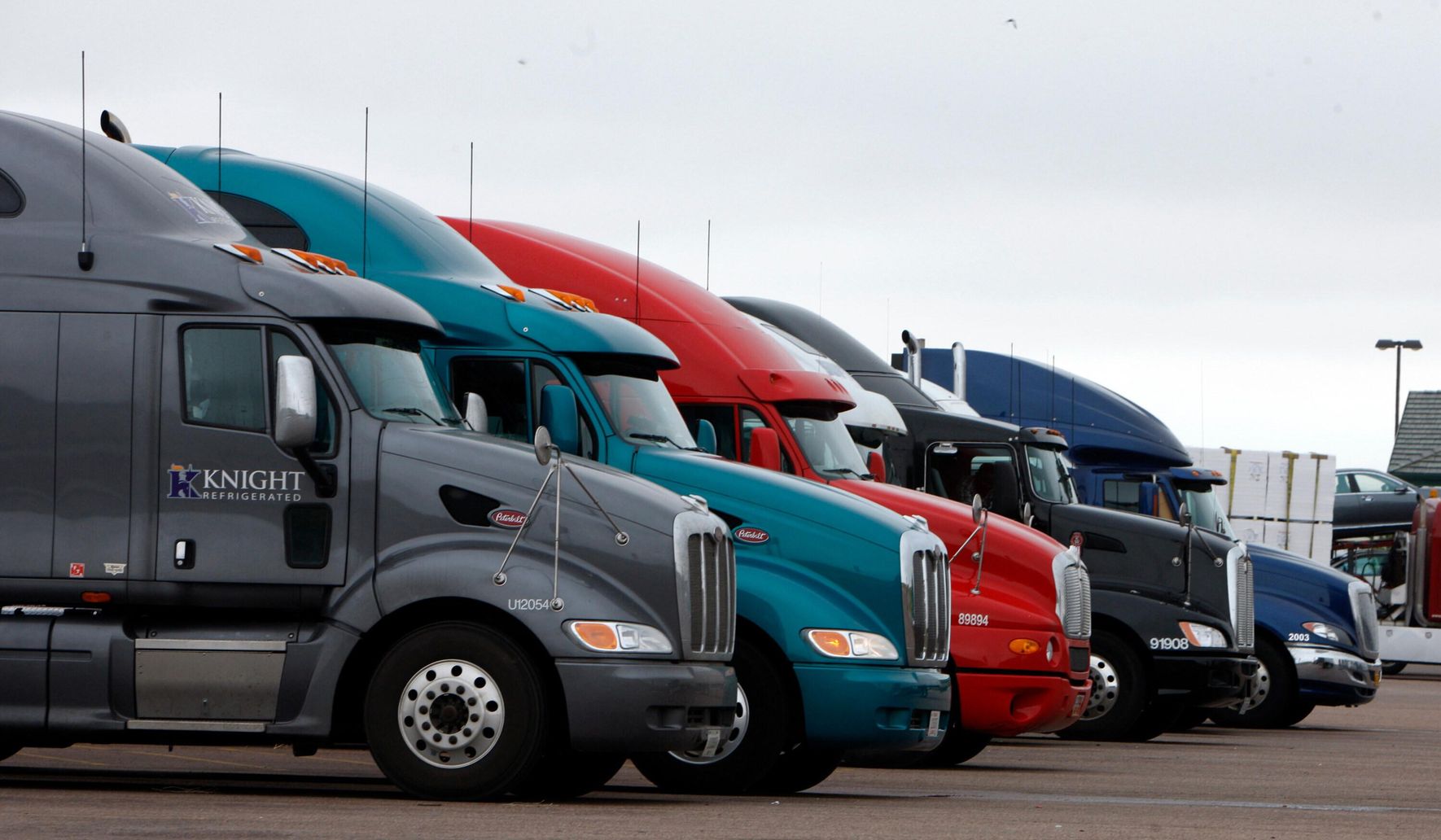
A week after immigrant groups filed a lawsuit, California said Tuesday it will delay the revocations of 17,000 commercial driver’s licenses until March to allow more time to ensure that truckers’ records and legal claims are properly reviewed.
California’s announcement to pause the revocation of 17,000 commercial driver’s licenses landed amid a legal challenge from immigrant advocacy groups. The move buys time for administrative checks and court activity, but it also raises questions about enforcement consistency and the safety standards that should apply to commercial drivers.
From a Republican perspective, policy must balance compassion with clear rules and accountability. Delaying action might help avoid wrongful penalties, but it also risks signaling that enforcement can be deferred under pressure, which could weaken regulatory certainty for carriers and operators alike.
The heart of the dispute is simple: thousands of truckers face losing credentials that let them work and support families. For drivers whose livelihoods depend on a commercial license, a revocation can be financially devastating and create ripple effects through supply chains that rely on timely deliveries.
State officials framed the delay as procedural, saying the pause will allow more time to verify records and to address legal claims stemming from the lawsuit. That sounds reasonable on the surface, but the state also needs to explain how it will prevent backlog, reduce bureaucratic errors, and ensure swift resolution once March arrives.
Opponents argue that the initial decision to revoke so many licenses at once reflected enforcement of immigration and licensing rules. Supporters of the delay say the litigation introduced new facts that warrant a careful review. Both sides want accuracy, but the public wants predictable enforcement that keeps roads safe and commerce moving.
Practical consequences already loom for trucking companies and shippers that count on steady driver availability. Even a temporary uncertainty about 17,000 drivers affects scheduling, freight rates, and the reliability of deliveries for businesses large and small. Markets do not like ambiguity; supply chains pay a price for it.
Legal clarity matters. If licenses were flagged because of documentation questions, the state should publish clear guidance for drivers and carriers on how to resolve those issues quickly. A transparent checklist and firm deadlines would protect both due process and public safety.
Lawmakers should also ask whether the agencies involved had the resources to verify records before announcing mass revocations. A rushed enforcement action that creates avoidable errors undermines confidence in the system and creates unnecessary hardship for workers who may be legally eligible to hold a commercial license.
Republican policymakers typically favor rule of law and protecting jobs, and that perspective supports enforcing standards while minimizing collateral damage to workers and businesses. That means pushing for faster adjudication, better record-keeping, and safeguards that prevent wrongful loss of employment while cases are resolved.
At the same time, safety standards for commercial drivers must remain non-negotiable. The public has a right to expect that anyone behind the wheel of an 18-wheeler meets licensing requirements and is properly vetted. Effective policy balances those safety needs with fair procedures for drivers to clear their names.
Ultimately, the March delay sets a deadline and creates an opportunity for reforms: streamline verification processes, protect workers from bureaucratic mistakes, and ensure enforcement is consistent and defensible in court. What remains essential is that the state follows through with transparent, timely action so businesses and drivers know where they stand when the pause ends.


1 Comment
Then they need to stay in Mexifornia. Anyy/all illegal alien drivers crossing into another state must be arrested and vehicle seized!