

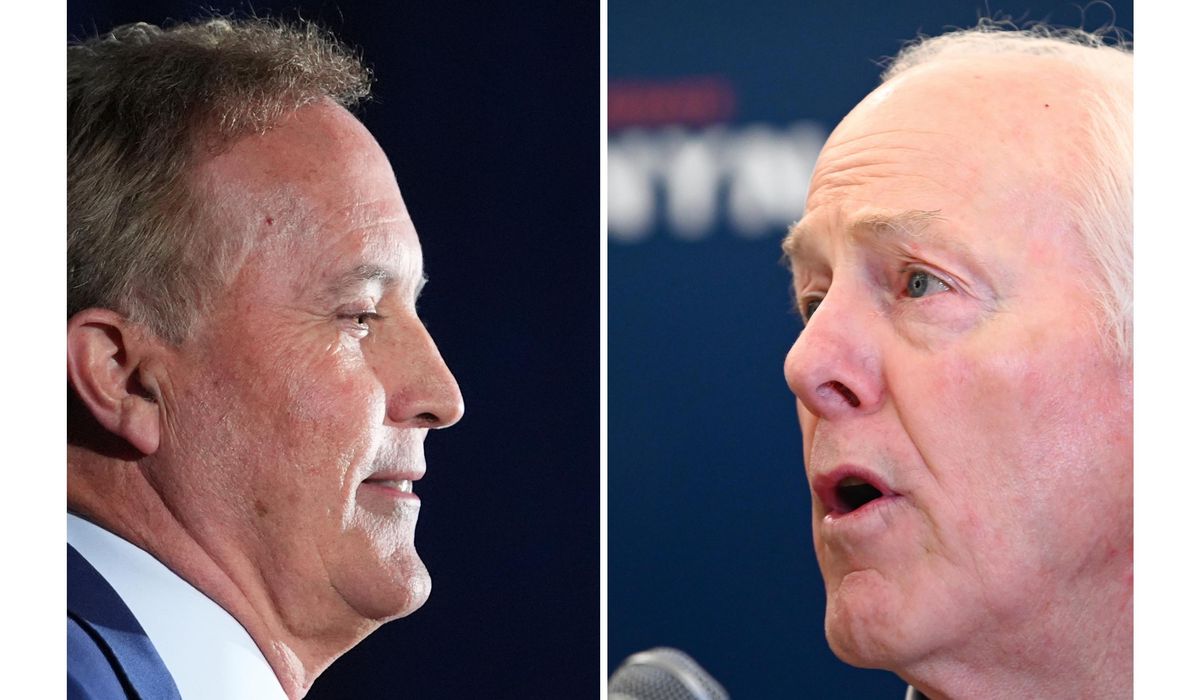
Sen. John Cornyn is pressing Texas Republicans to think twice about Attorney General Ken Paxton as the GOP nominee, arguing Paxton is a risky pick for November, and he’s doing it without the backing of the singular power player who dominates the party’s headlines.
Sen. John Cornyn has been raising alarms inside the Texas GOP about Attorney General Ken Paxton’s vulnerability heading into the November ballot. Cornyn’s pitch centers on electability, warning that Paxton could hand Democrats an opportunity in tight statewide and down-ballot races. He’s selling caution to fellow Republicans while the broader party base watches closely.
The 800-pound gorilla in this debate is the figure who can tilt Republican primaries and sway voters in a heartbeat. For many Texans, that influence rests with the former president and his ability to shape endorsements and headlines. Cornyn is making his case in a field where that presence still carries enormous weight.
Cornyn’s argument is straightforward: nominate someone who can win in November, not just energize a faction in a primary. He’s pointing out that controversy and headline-grabbing legal trouble create openings for opponents in the general election. From his vantage point, the party’s priority should be preserving Republican majorities rather than settling intra-party scores.
Paxton’s supporters see a different picture. They highlight his record fighting federal overreach and pushing conservative priorities in court, and they view the controversies around him as political warfare. That base values loyalty and a willingness to stand up for conservative causes even when the fight gets ugly. For many activists, those traits outweigh concerns about headlines.
The political math is messy. A divisive primary can depress turnout among moderates and independents who decide contests in November. Cornyn worries a bruising fight could cost the party more than it gains, especially in tight races where a handful of percentage points matter. That risk is what he wants to avoid, and he is pushing that pragmatic argument to GOP leaders.
Without the overarching endorsement that moves crowds, Cornyn has to persuade rank-and-file voters on policy and optics alone. He frames electability as a conservative duty: win first, then govern. That pitch hits home with those who prioritize keeping the state firmly Republican and who worry about handing momentum to Democrats in a pivotal midterm cycle.
On the other side, Paxton’s backers argue that sticking to principle energizes the base and drives turnout. They contend that style and toughness have their own electoral advantages and that understating those appeals risks alienating a large swath of energized voters. The tug of war between cautious pragmatism and bold conservatism is playing out across rallies, social media, and internal GOP conversations.
The stakes reach beyond the attorney general’s office. A contentious battle could shift resources, force campaign messaging to focus on internal fights, and give opponents easy material to nationalize the race. Party leaders who want a clean path into November are worried about distractions that could cripple coordinated Republican efforts across the ticket.
What matters in the weeks ahead is which argument lands with primary voters and where influential endorsements land. Watch for shifts in polling, where key donors spend, and whether national figures step in to settle the contest. If Cornyn’s case for electability takes hold, the party could move toward consolidation; if Paxton’s coalition remains energized, Republicans may face a bruising general election narrative.

