

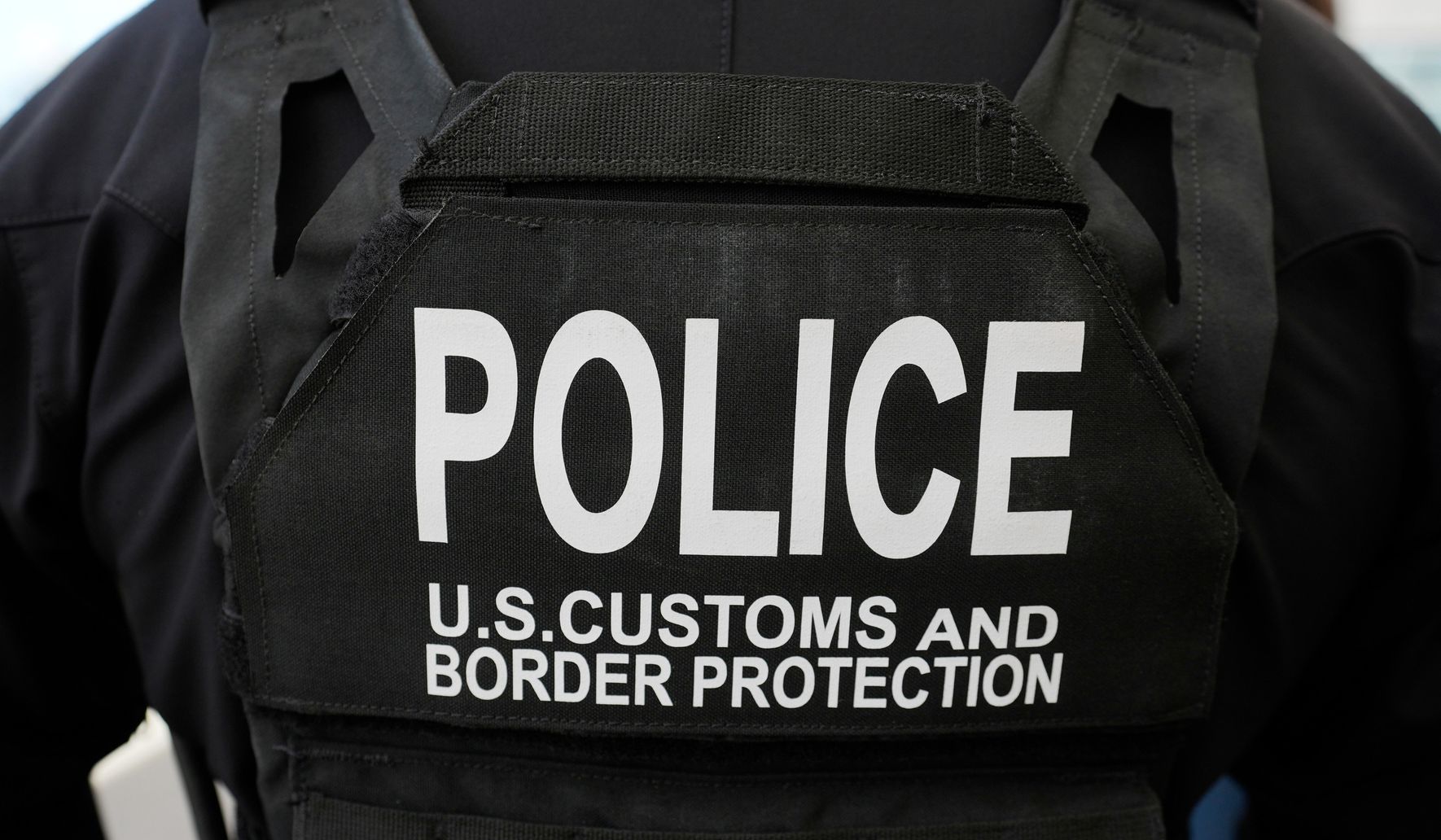
Customs agents intercepted a shipment of ancient copper-alloy weapons and, after expert review, concluded the items were looted from graves in northern Iran and dated to more than 3,000 years ago.
Customs agents seized copper-alloy weaponry from over 3,000 years ago shipped from the Middle East after experts determined the artifacts were looted from graves in northern Iran. The discovery came during routine inspections that flagged an irregular shipment, prompting a more detailed archaeological assessment. Authorities moved quickly to involve specialists who could evaluate the objects and their probable origin. That assessment changed the shipment from mere curiosity to evidence in a cultural property case.
Anatomy of the finds hinted at deliberate excavation rather than lawful transfer. The artifacts included blades, spear points, and fittings consistent with funerary assemblages known from Iron Age sites in that part of the world. Conservators noted soil residues and fracture patterns typical of hurried removal from burial contexts. Those physical clues, combined with stylistic matches to regional typologies, guided experts toward the northern Iran provenance.
Smuggling networks exploit demand for ancient objects, and customs officers are often the first line of defense. Shipments originating in broader Middle Eastern trade corridors can mask the true source through transit hubs and forged paperwork. In this case, the paperwork failed to convince trained inspectors, who requested laboratory tests and comparative analysis. That cross-check revealed inconsistencies that are common when cultural property is trafficked without proper provenance.
Legal frameworks around the world try to curb the illicit flow of antiquities, but enforcement is uneven and resource intensive. When objects are seized, agencies must balance preservation, investigation, and the potential for repatriation. This seizure entered those channels, with items cataloged, photographed, and preserved as evidence while specialists completed their reports. The goal in such cases is to establish a clear chain of custody and a factual record that can support next-step legal decisions.
Museums and collectors face ethical questions when confronted with antiquities lacking solid provenance. The presence of looted goods in the market undercuts legitimate scholarship and funding for excavations that follow proper archaeological methods. Experts emphasize that context is everything: artifacts pulled from graves lose the historical information they once carried. That information is often what archaeologists and historians rely on to understand ancient societies.
Scientific techniques help untangle a complicated past for objects that emerge without paperwork. Metallurgical testing, microscopic wear analysis, and soil chemistry can corroborate stylistic assessments and suggest an artifact’s original burial environment. In this incident, those methods supported the initial determination pointing to northern Iran and an age of roughly three millennia. Such multidisciplinary work strengthens claims about illicit origins when legal actions follow.
Beyond the courtroom, seized items spur conversations among institutions that loan, acquire, or display antiquities. Curators and acquisition committees increasingly require robust documentation before accepting new pieces. That shift raises the bar for sellers and intermediaries who historically relied on murky backgrounds to move artifacts. For public institutions, the reputation risk of exhibiting unprovenanced material has become a decisive factor.
For source countries, recoveries like this underline ongoing losses from archaeological sites. Northern Iran has a deep and layered past, and grave goods offer unique windows into social practice, craft, and trade across millennia. When those objects are removed illicitly, local heritage and scholarly understanding suffer a lasting wound. Repatriation and cooperative archaeology are often presented as part of a broader repair effort when proven looting is established.
Investigations like this one are rarely quick or simple, and outcomes depend on evidence, international law, and diplomatic channels. Agencies will proceed according to established procedures, keeping the artifacts secure while formal determinations are made. Meanwhile, the case serves as a reminder that protecting cultural heritage relies on vigilance at borders and collaboration among experts. The physical objects are important, but the knowledge they carry is the real loss when graves are plundered.

