

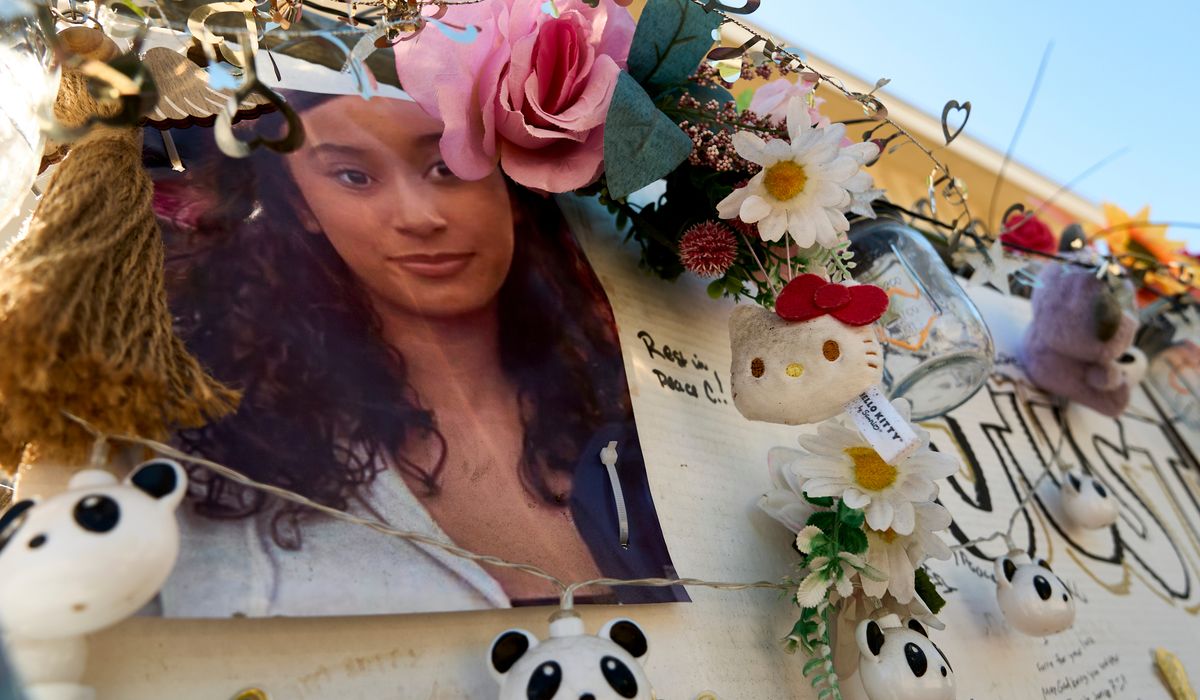
D4vd’s legal team has started to unveil parts of their strategy, questioning police choices about DNA testing on items recovered from the singer’s home and vehicle.
Lawyers for D4vd opened a window into their defense approach on Thursday, zeroing in on forensic work that could shape the case. They asked why investigators did not pursue more DNA testing on items recovered at the singer’s home and inside his car. That line of questioning signals they plan to challenge what evidence exists and how it was handled.
The defense focused on gaps and choices in the police investigation rather than on narrative or motive at this stage. By highlighting selective testing, counsel aims to raise doubt about whether all relevant traces were examined. Forensic omissions can become a practical hinge in court when the defense pushes for alternative explanations.
Chain of custody and testing protocols matter when evidence goes before a jury, and the team for D4vd made that clear in their questioning. They pressed law enforcement on procedures for preserving items and for deciding which pieces merited additional DNA analysis. Those procedural questions are meant to show potential weaknesses in the state’s physical evidence.
Forensic labs receive thousands of samples and must triage what to test, but defense attorneys often argue that relevant avenues were ignored. If the defense can point to specific items that were not fully examined, they can argue the investigation was incomplete. That argument can be powerful, especially when fingerprints, touch DNA, or other trace material could reasonably have been pursued.
Beyond the raw science, timing and disclosure play roles in courtroom fights over evidence. The defense sought clarity about when requests for testing were made and whether any results were withheld or delayed. Late production of forensic reports or unexplained gaps can become grounds for motions to exclude or limit evidence at trial.
Experts will likely be called to explain what additional testing could reveal and how reliable such results would be. Defense consultants often emphasize contamination risk and limits of low-level DNA profiles, while prosecutors rely on standard procedures and interpretive safeguards. Jurors then must weigh complex scientific testimony against a narrative of events.
Another angle the team pursued was the context of items recovered from the car and home, pressing police to explain how those objects were collected and cataloged. Defense counsel argued that without thorough testing, those items cannot be assumed to tie anyone to a particular action or scene. The work of documenting where an object was found and who handled it can determine whether it survives legal scrutiny.
Public attention to celebrity cases can magnify every procedural skirmish, and attorneys know that appearances in court feed media coverage. The defense’s tactic of focusing on forensic specifics is a classic move to shift the dispute from headlines to evidentiary rules. Judges then have to decide whether the questions raised justify additional testing or legal remedies.
Prosecutors, for their part, will push back by pointing to the tests that were done and to investigative judgments made in real time. They will argue that resource constraints and investigative priorities influence what gets tested and when. Ultimately, the court will balance those operational decisions against legal standards for disclosure and fair trial rights.
What happens next will hinge on motions, possible expert analyses, and how the court views the sufficiency of the existing forensic work. If the judge orders supplemental testing or limits the use of contested evidence, that could reshape the proceedings. The line of questioning Thursday made clear that forensic testing — and the choices to do or not do it — will be central to how this case unfolds.

