

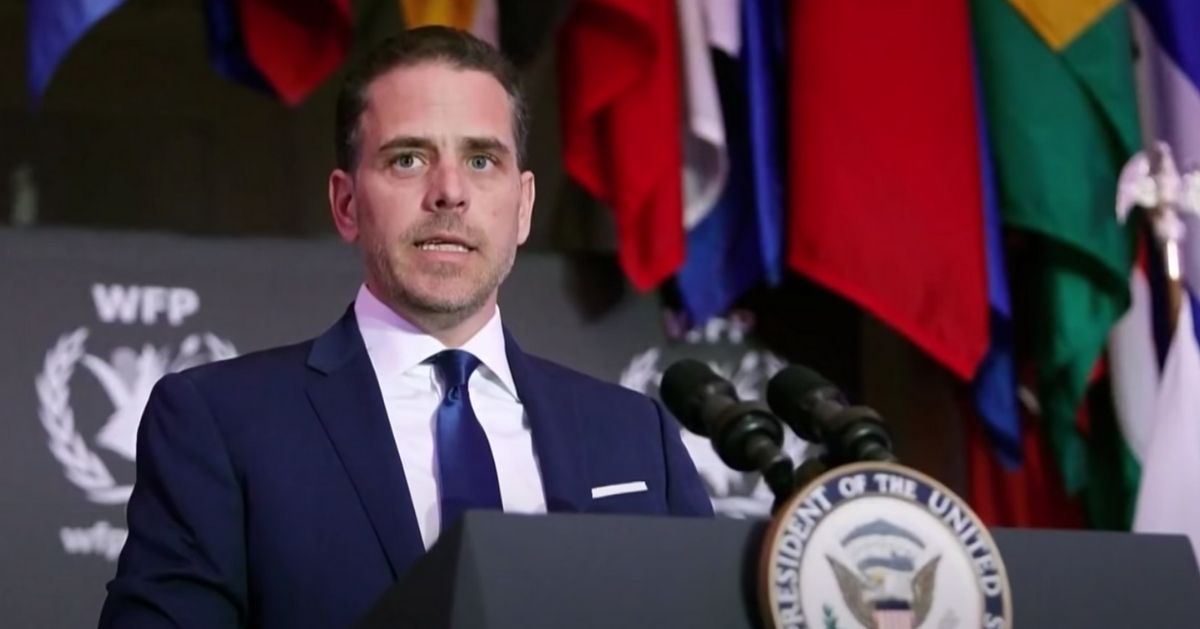
Damon Lawner built an exclusive sanctuary for the rich and famous and says he lost everything after enforcing the club’s rules against a high-profile guest. This piece follows his claim that banning Hunter Biden from SNCTM for alleged misconduct led to swift punishment from the industry and personal exile, and it tracks where he stands now as he tries to start over.
Damon Lawner launched SNCTM in 2013 as a private, provocative venue inspired by the film “Eyes Wide Shut” and aimed at an elite crowd. The club operated on strict etiquette designed to protect consent and privacy among wealthy members and celebrity guests. For years that code was part of the club’s worth and mystique.
Lawner says that code collapsed during a single 2018 visit by Hunter Biden, when he claims Biden ignored the club’s basic rule to always ask before touching. According to Lawner, the behavior crossed a boundary that the club had sworn to uphold for every guest. That alleged breach set off a chain of events that would upend Lawner’s life.
He used blunt language to describe what he says he witnessed, including the line “Hunter Biden wanted to touch, taste and feel everything in sight,” which he has repeated when recounting the incident. Lawner insists the conduct was a clear violation of SNCTM’s no-touch policy and of the mutual respect expected inside the club. Whether anyone else saw the same things remains unproven in public records, but Lawner says he made the call to ban Biden.
When Lawner went public with his account in 2022 on Instagram, the fallout was immediate and severe. He recounts the moment the organization that once bore his stamp moved to sever ties, saying “The response wasn’t subtle. I was banned from the club I founded,” and that eviction carried social and financial consequences. Outing someone in a world built on secrecy, he learned, can be a more dangerous move than tolerating the behavior.
The punishment, as Lawner describes it, looked less like a debate about policy and more like a social execution. Friendships evaporated, business prospects dried up, and the networks that once propped him up turned away. He is now attempting to relaunch under a new name and plans a New Year’s Eve event in Los Angeles, but he concedes the old inner circle will not be present.
From a Republican perspective, Lawner’s story reinforces a familiar critique about elite immunity and double standards. The contention is that powerful people and their allies have systems that protect them while anyone who questions them pays the price. Lawner’s account is used to argue that accountability often depends on rank and connections rather than on consistent rules.
Neither Hunter Biden nor President Joe Biden provided comment to Lawner’s account, leaving the allegations publicly unverified. That silence has two effects: it denies immediate rebuttal and it fuels the impression that privilege can shield the well connected from scrutiny. As Lawner moves forward, he faces rebuilding a reputation inside and outside an industry that prizes discretion above confrontation.

