

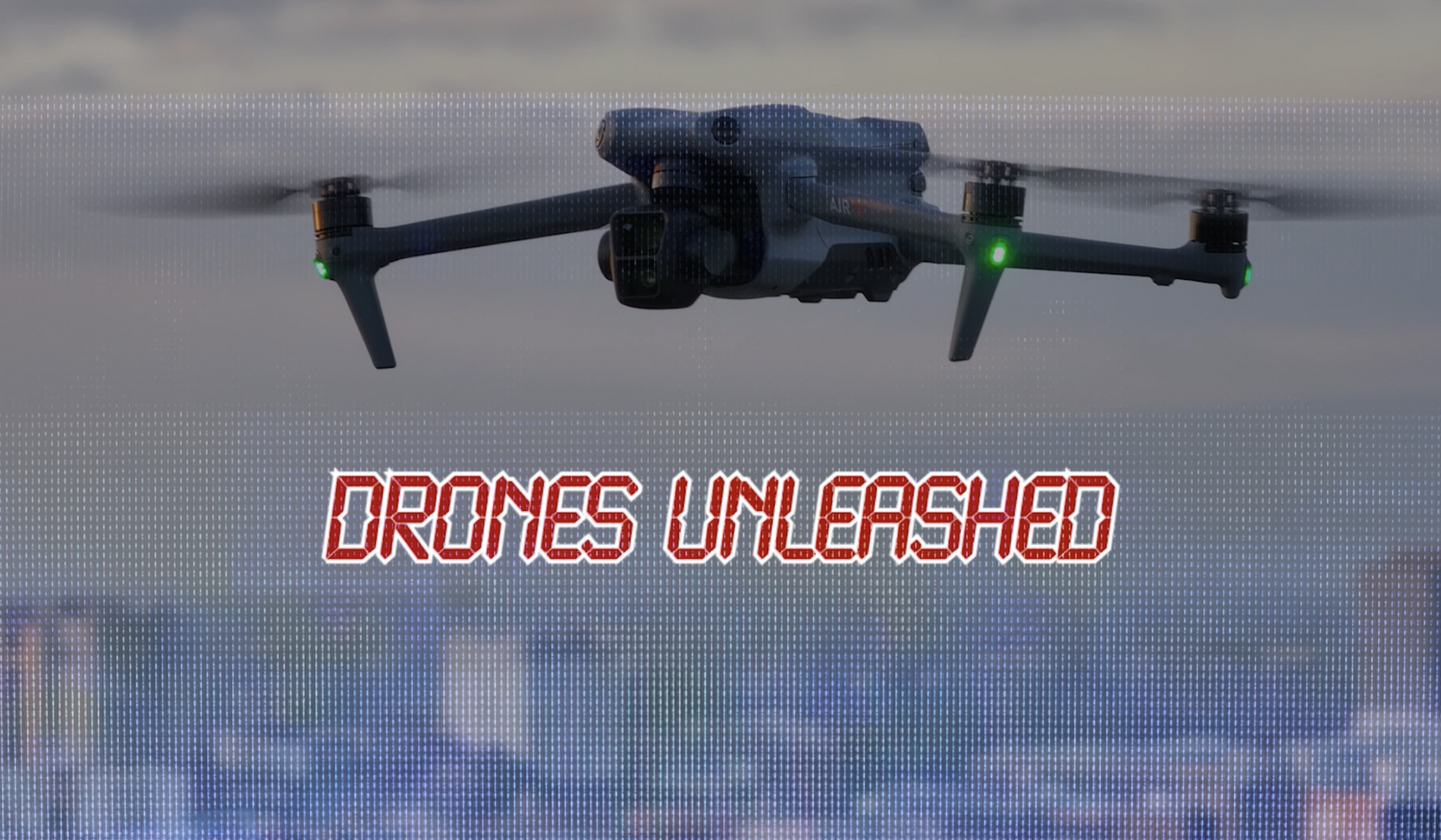
The article examines how defense manufacturers, government procurement offices and military services are adapting to rapidly evolving battlefield requirements, focusing on supply chains, innovation pipelines, and lifecycle support. It looks at the clash between urgent operational needs and the realities of industrial capacity, the role of modular design and open standards, and how training and sustainment must keep pace with new gear. Readers will get a clear, practical picture of how modern military technology moves from prototype to issue. The piece emphasizes measurable challenges and ongoing solutions without speculation.
“The Threat Status team takes a deeper look at what the defense industry is doing to meet the demand to keep our soldiers, sailors, airmen and Marines equipped with the latest technology.” That sentence frames a broader reality: the services require speed, quality, and resilience all at once. Meeting that trio pushes procurement offices to rethink timelines and prioritize programs that deliver capability quickly. It also forces suppliers to shift from long lead-time models to more agile production approaches.
Manufacturers are adopting modular architectures so systems can be upgraded in the field without complete replacements. That approach lowers costs over the long run and allows new sensors, radios or software to be integrated much faster. Standardized interfaces mean multiple vendors can compete to supply subsystems, which helps healthy competition and innovation. The result is a more flexible industrial base that can respond to changing threats.
Supply chain resilience is no longer an afterthought for defense programs; it is central planning. Firms are diversifying suppliers, reshoring critical component production, and maintaining buffer stocks for key items. Those steps address single-point failures and geopolitical risks that can interrupt deliveries. They do add cost, but the trade-off is fewer mission-critical interruptions when crises occur.
On the technology side, the rise of unmanned systems, advanced communications and electronic warfare tools is reshaping acquisition priorities. Integrating autonomy and secure data links into operational units requires careful testing and certification. The services are accelerating test cycles and using staged fielding so new systems can enter service at limited scale and expand as confidence grows. That staged approach reduces risk while still delivering capability to warfighters.
Software has become the dominant driver of capability, which changes how defense programs are structured and funded. Continuous integration, regular updates and secure coding practices are now part of sustainment plans. This software-centric shift demands talent and processes that mirror commercial tech firms more than traditional defense contractors. Investing in DevSecOps and automated testing labs is becoming a standard part of program budgets.
Training and logistics must adapt the moment new hardware hits the fleet or squadron. Simulators, digital twins and immersive training platforms are being employed to shorten the learning curve and reduce downtime. Forward-deployed maintenance hubs and condition-based maintenance systems help keep units operational without long returns to rear-area facilities. These measures keep the edge in readiness even as equipment gets more complex.
Budget pressures and congressional oversight shape the pace at which new capabilities are adopted, and firms must balance innovation with cost realism. Programs that promise revolutionary changes face tougher scrutiny and must demonstrate incremental benefits early on. Conversely, upgrades that provide clear, immediate improvements to survivability or lethality often move faster through the process. Clear metrics and phased milestones are becoming the currency of successful proposals.
Partnerships between defense primes, smaller specialist firms and academic labs are filling capability gaps faster than single-source projects. Those collaborations combine scale with nimble experimentation, letting prototypes be evaluated in operational conditions. Small companies often drive breakthroughs in sensors, autonomy and AI, while larger firms provide the integration and sustainment backbone. Effective teaming agreements speed transition from lab to lane.
Manufacturing capacity and workforce readiness remain persistent constraints as demand spikes for multiple platforms at once. Apprenticeships, targeted hiring and automation investments are needed to expand throughput without eroding quality. Defense suppliers are investing in modern shop floors and additive manufacturing to reduce lead times for complex parts. The human element, however, remains central: retaining skilled technicians and engineers is a long-term challenge that requires steady planning.
Finally, interoperability across services and allied forces is a strategic priority that influences design choices from the outset. Shared communication protocols, common training standards and coalition logistics planning reduce friction in combined operations. Designing with coalition use in mind expands the market for suppliers and improves operational effectiveness in real-world contingencies. That forward-looking posture helps align industry incentives with national security needs.

