

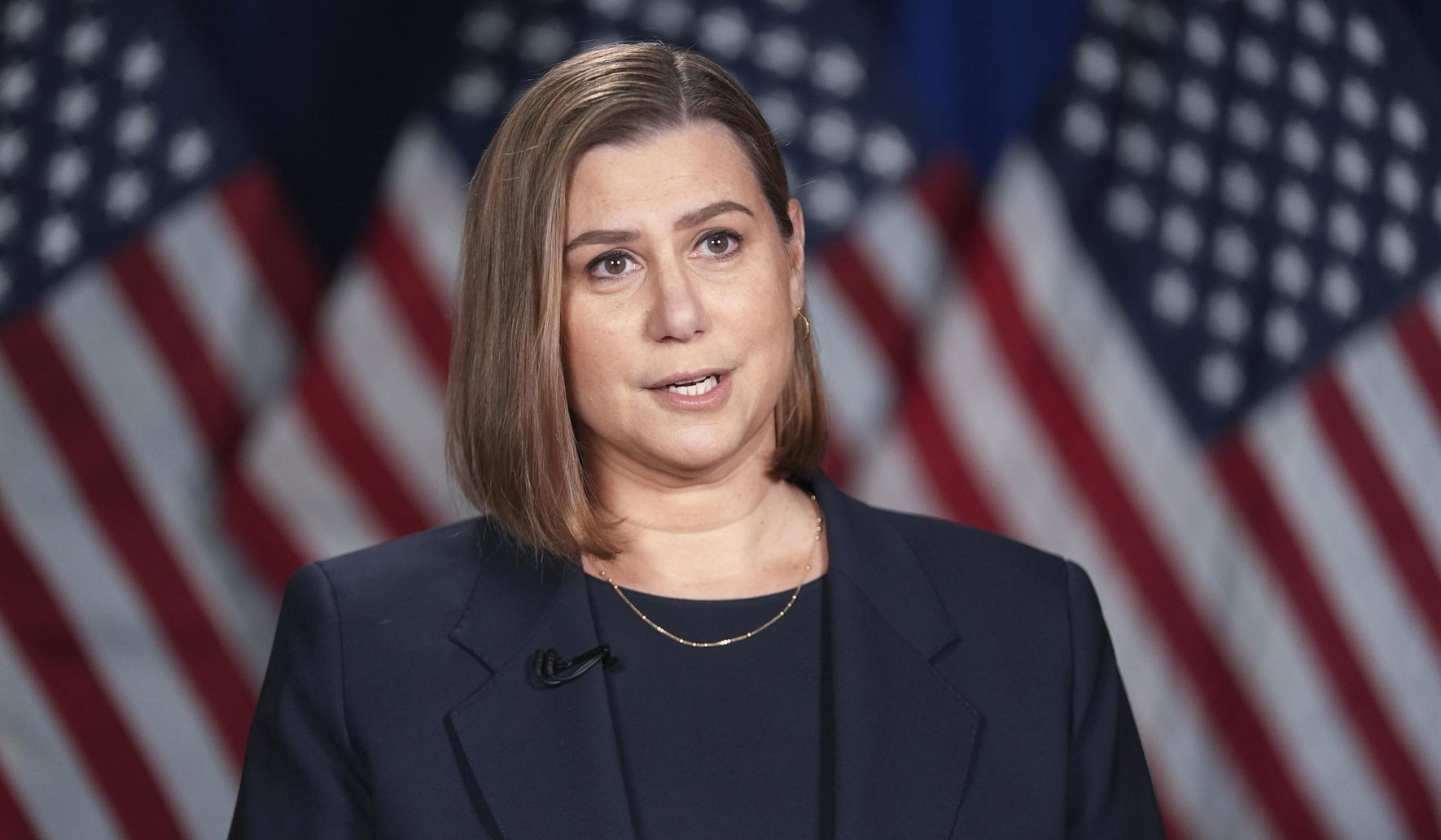
Democratic lawmakers who told military members to ignore illegal orders from President Trump say they are facing an FBI probe.
What began as a public call from those lawmakers for service members to resist unlawful commands has turned into a federal inquiry, at least according to the lawmakers involved. The claim of an FBI probe raises immediate questions about legal risk, political heat, and the line between protest and potential obstruction. That tension sits at the center of this story.
The initial guidance from those Democrats was framed as a patriotic duty to refuse orders that would break the law. On its face, urging troops to resist illegal acts sounds responsible, but telling the rank and file to refuse presidential orders is a heavy and risky message. The military depends on clear, lawful chains of command to function, and broad public directives to disobey risk sowing confusion in a high-stakes environment.
From a Republican perspective, the episode is striking for its consequences and symbolism. If the FBI has opened an inquiry, it suggests that public calls of this nature can cross into areas that warrant criminal or administrative scrutiny. That is not merely academic; it puts into focus how political actors interact with institutions that are supposed to be nonpartisan and disciplined.
The concern is twofold: first, whether elected officials should be issuing public instructions that interfere with military obedience; and second, whether law enforcement’s response is consistent and even-handed. Citizens and lawmakers have the right to vigorous political speech, but speech that actively encourages disobedience within the armed forces carries unique legal and ethical risks. Those risks become a public matter when federal authorities decide to investigate.
Officials who prompt service members to defy orders need to reckon with the potential fallout, especially when national security could be at stake. Military law and federal statutes exist to protect the chain of command and to prevent politicization of the armed forces. When politicians push service members toward selective refusal, it challenges those safeguards and invites scrutiny from agencies charged with upholding the rule of law.
Supporters of the lawmakers argue that their intent was to prevent illegal actions and protect service members from having to choose between conscience and command. That argument has moral force, but it is not a substitute for proper legal channels and congressional oversight. The right way to address unlawful orders is through courts, inspector generals, and orderly policy change rather than public exhortations that could be read as encouraging disobedience.
Republican commentators are also pointing to the optics: if a political faction can urge troop resistance with impunity, the precedent is dangerous. The military must remain above partisan calls, and any law enforcement response should be applied consistently across the political spectrum. Fair, transparent processes build confidence that the rule of law applies to everyone.
At the same time, questions about the FBI’s role and timing will circulate until investigators explain their thresholds and findings. Lawmakers claiming they are under investigation deserve clarity about the scope and basis of any probe, and Americans deserve to know that federal institutions are not being wielded as political weapons. That accountability is hard to square with secretive or selective enforcement.
The episode spotlights the tension between political expression and institutional stability, and it will likely thread through debates about civil-military relations for some time. How leaders, both elected and within law enforcement, handle this will set precedents about acceptable political speech involving the armed forces. For now, the claim of an FBI probe marks a serious turn in a controversy that began as a public appeal to resist certain orders.

