

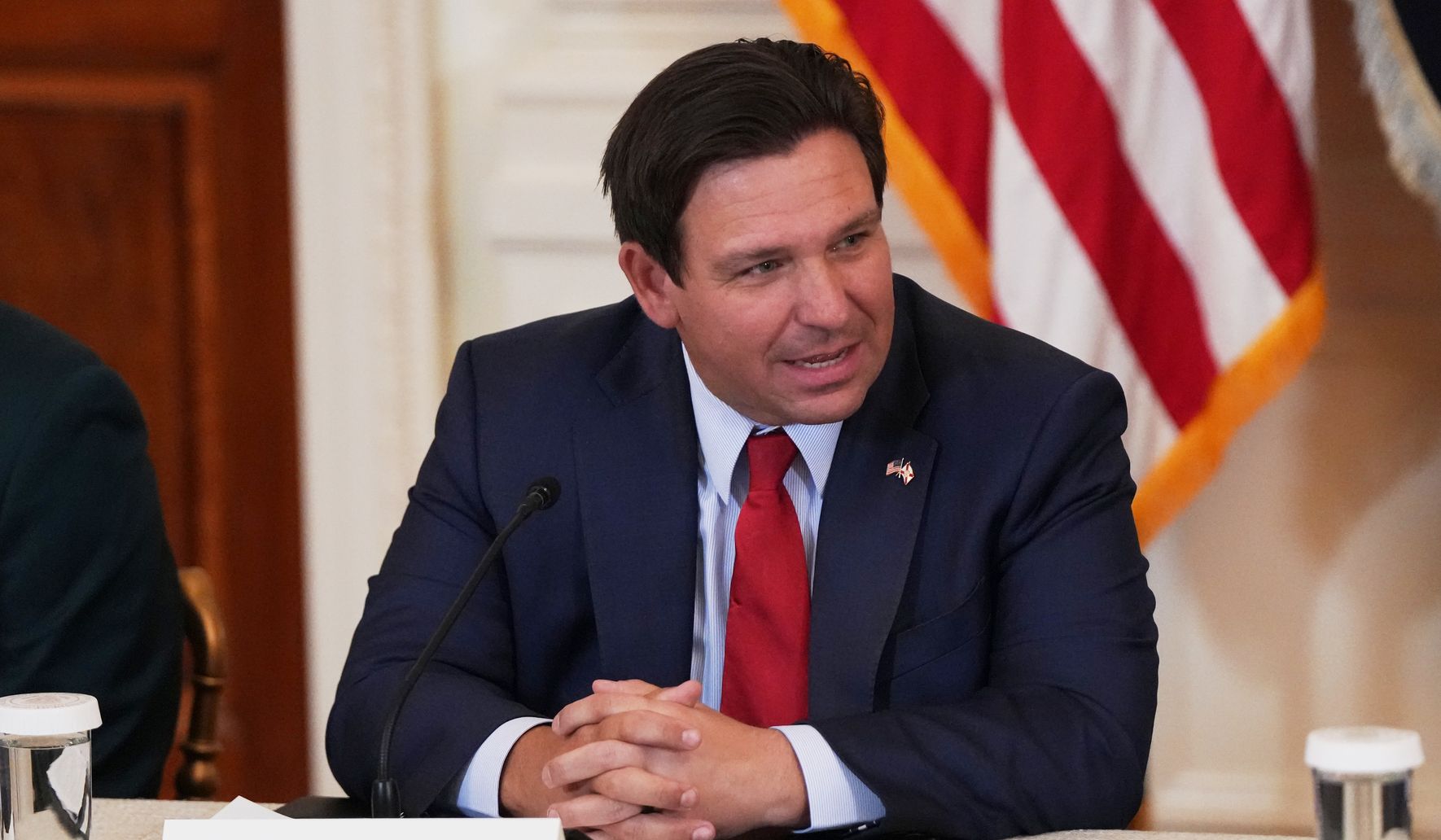
Florida Governor Ron DeSantis signed a law that gives the state’s top law enforcement official the power to designate groups as domestic or foreign terrorist organizations, subject to approval through a required oversight process.
Florida just added a clear, enforceable tool to protect communities from organized violent threats. The law puts designation authority in the hands of the state’s top law enforcement official with an oversight step built in, so decisions are not made unilaterally. This is about giving prosecutors and police a legal framework to act decisively when groups cross the line into terrorism.
The move reflects a growing emphasis on state-level responsibility for public safety. In an era when threats can arise from both overseas networks and homegrown movements, states need authority that matches the speed and scale of modern dangers. Florida’s law aims to close gaps that tied-up bureaucracy and unclear legal standards can create when violent actors organize.
Supporters argue the change is practical: designations enable targeted investigations, asset freezes, and prosecution strategies that otherwise face hurdles. When law enforcement can label a group that plans or commits violence, it creates clarity for agencies, victims, and the courts. That clarity translates to faster disruption of plots, swifter arrests, and stronger cases at trial.
Because the law includes an oversight mechanism, it balances urgency with checks against overreach. Responsible conservatives have pushed for tools that work while protecting civil liberties, and this approach builds in review so designations can be vetted. That mix of authority and accountability is what voters expect from leaders who want both safety and fairness.
Legal experts will still weigh in on how the statute works in practice, and courts will inevitably test its contours. That’s a healthy part of implementing any significant public-safety measure: judges define limits, prosecutors set standards, and police carry out enforcement. Practical details will be sorted through real cases, but the statute establishes the state’s posture from the start.
Critics warn about potential political weaponization, and those concerns matter—especially in hot-button cultures where labels can carry stigma. The oversight element and statutory standards aim to guard against misuse by requiring formal review before a designation takes effect. Accountability must be real, not just a talking point, and this law builds procedural steps into the process.
From a policy perspective, the law also sends a message to would-be violent organizers: crossing the line into terrorism has clear consequences. That deterrent value is part of the strategy—make it harder to organize, recruit, fundraise, or operate under the cover of anonymity. When states signal they will respond firmly, it changes the calculations of actors who might otherwise test limits.
Implementation will be a test of coordination across agencies, prosecutors, and courts. Effective use requires clear evidence standards, timely information-sharing, and training so law enforcement applies the designation tool consistently. Those practical steps are the next phase after legislators set the legal framework.
For residents and local officials, the statute should mean more options when violent activity appears to be organizing into something larger. It does not replace federal authorities, but it gives the state a proactive role alongside federal partners. In the end, voters expect state leaders to defend neighborhoods and hold violent groups accountable without delay.

