

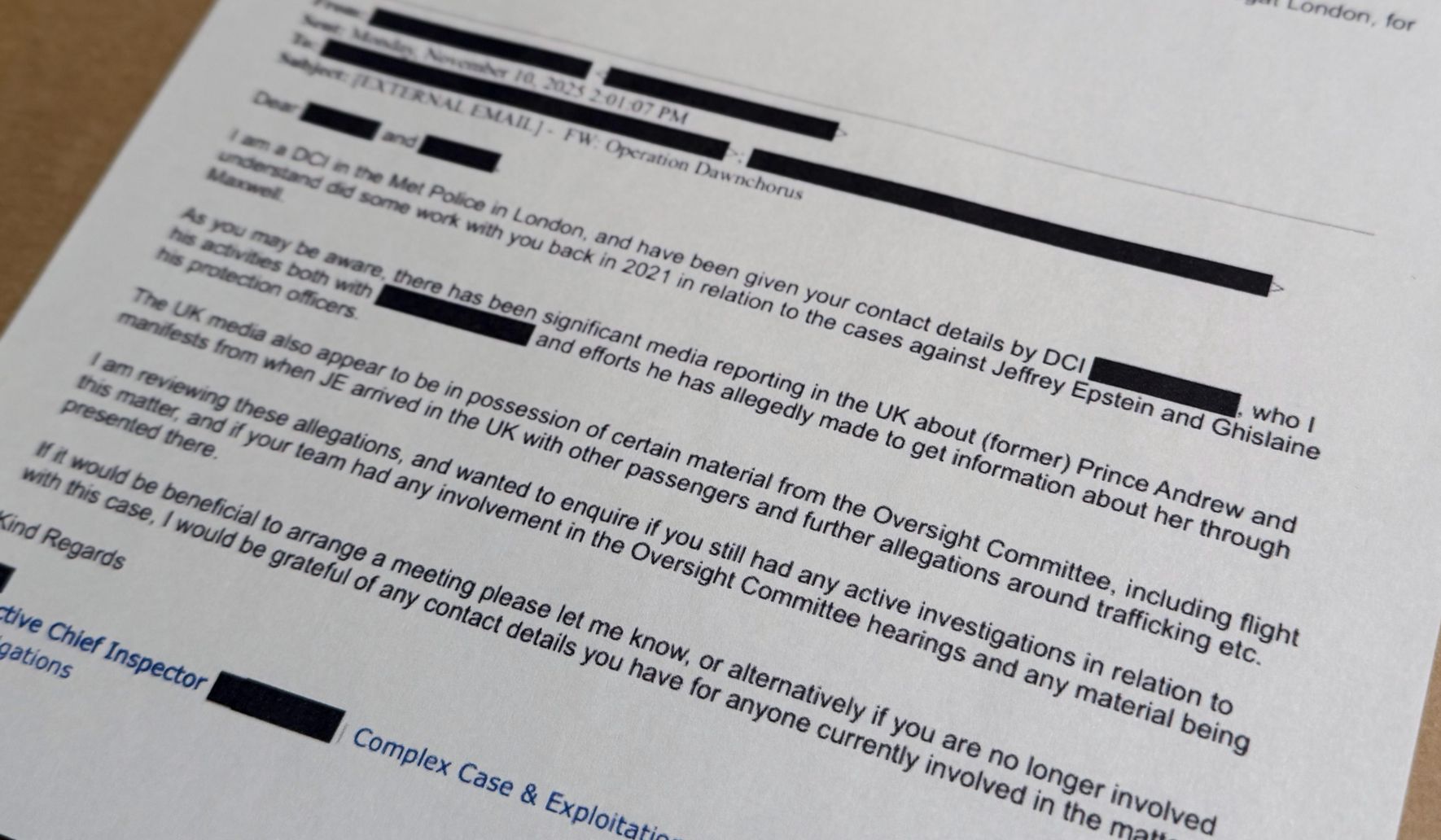
The Justice Department says it needs more time to produce the full set of documents tied to deceased sex offender Jeffrey Epstein, pointing to newly discovered material and an extensive review process that must balance transparency with legal and privacy constraints.
The announcement from the Justice Department landed as another chapter in a case that has drawn intense public scrutiny and political heat. Officials say additional time is required because material surfaced that requires careful sorting and redaction before any wider release. That explanation raises familiar tensions between open records and protecting individuals named in the files.
From a Republican perspective, transparency matters for the integrity of justice, but transparency must not trample victims or jeopardize active inquiries. The need to release documents promptly is real, yet so is the duty to protect grand jury secrecy, witness privacy and ongoing investigative threads. Those competing priorities make the timetable a political lightning rod, especially when public trust is already fragile.
Legal teams and agency lawyers are likely combing records to separate prosecutorial deliberations and privileged communications from material that the public can see. That work is painstaking and legally complex, because redaction has to be defensible in court. Even so, delays can feed suspicion that bureaucracy or politics are slowing disclosure rather than legitimate legal concerns.
Victims’ advocates rightly insist that names and intimate details be shielded from unnecessary exposure, which complicates and lengthens the review process. At the same time, interest in the scope of alleged misconduct and potential collaborators keeps pressure on officials to move faster. Balancing those claims requires strict protocols and a clear record of decisions so the public can judge whether delay is warranted.
The Justice Department’s phrasing about newly discovered material suggests the document set wasn’t static, which happens in sprawling investigations. New witness statements, previously unproduced exhibits or misplaced files can all show up during a review and force a pause. Those discoveries also create legal questions about whether an earlier disclosure obligation was complete and whether more aggressive production should have happened sooner.
Republican critics will point to the pattern of pauses and partial releases in high-profile cases as evidence that the federal bureaucracy resists full accountability. That criticism often focuses on timing and the optics of selective releases. But a responsible review process can be outlined publicly to reduce political suspicion without disclosing sensitive substance prematurely.
Courts weighing records disputes typically ask for a specific schedule and a reasoned explanation for any extension, and judges have tools to enforce timelines or impose penalties for needless delay. If the Justice Department wants to retain credibility with skeptical lawmakers and citizens, documenting the steps taken and the standards applied will matter. The public benefits when a transparent process is paired with rigorous protection of the vulnerable.
The larger takeaway is that releasing legal records involves trade-offs between openness and the rule of law, and those trade-offs will be contested in the months ahead. Republicans and others who demand openness should press for clear, enforceable timelines and independent oversight of the review. Meanwhile, victims deserve protections that prevent further harm, and the legal system must show it can balance both responsibilities without favoring political convenience.

