

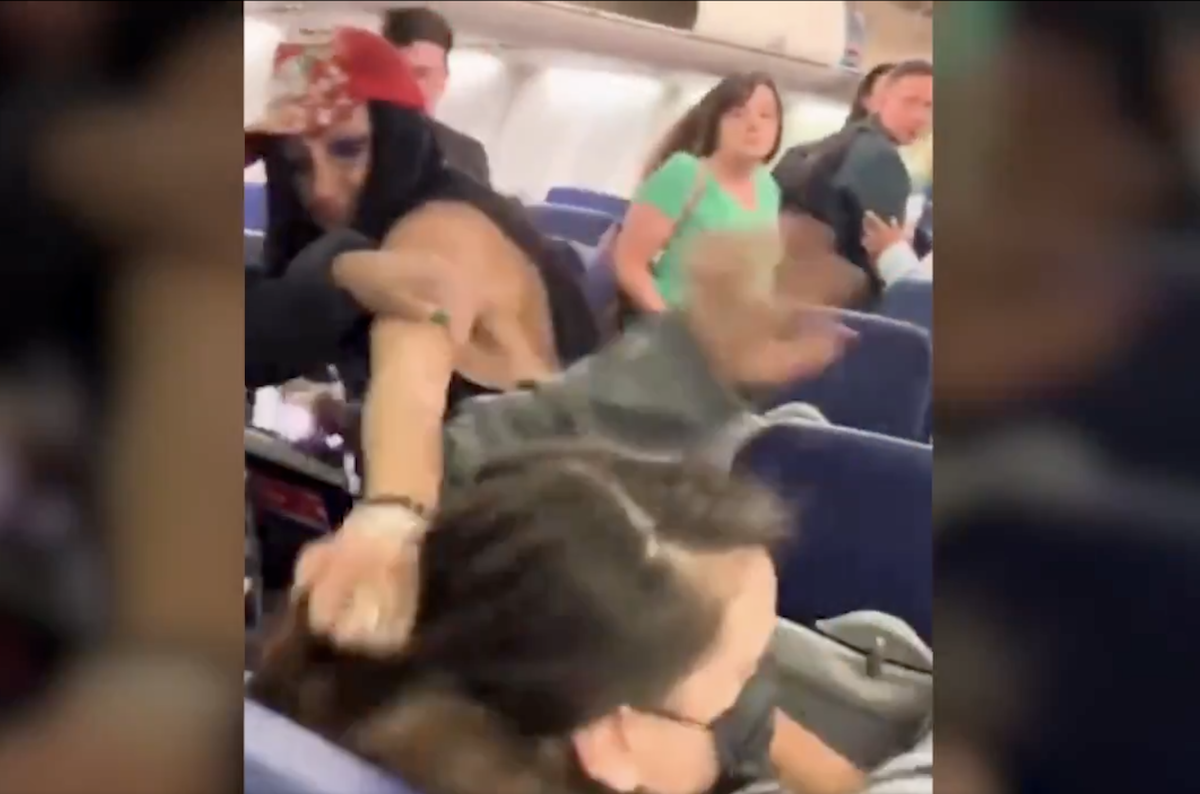
The Department of Transportation has revived a policy of public accountability for disruptive airline passengers, and that move deserves attention from anyone who travels by air.
I remember flying on American Airlines in December 2021, headed to Cancún for a family holiday, and asking the flight attendant whether drink service had resumed. “No,” he said, “not until […]” That little exchange stuck with me because it highlighted the strange mix of rules, enforcement, and common-sense expectations passengers face on planes. Bringing back a policy that publicly names or details enforcement against bad actors is about restoring basic norms on aircraft.
Public accountability is not about humiliation for its own sake, it is about deterrence and clarity. When consequences are visible, people think twice before acting out in ways that endanger crews or fellow travelers. The average passenger just wants to get from point A to point B without a meltdown in the cabin, and visible enforcement helps ensure that outcome.
Air travel depends on cooperation and clear rules enforced by adults, not endless excuses. Reintroducing a shaming element—properly framed as public reporting of enforcement—sends a message that there are real penalties for anti-social behavior. That protects flight attendants and pilots, who should not have to police chaos while trying to fly a plane safely.
From a conservative, Republican perspective, accountability and personal responsibility matter more than ever. We are not advocating for petty cruelty; we are insisting on consequences that reflect real-world harm and reckless behavior. Enforcement that is transparent supports the rule of law and respects the rights of the majority to safe, uninterrupted travel.
Airlines rightly need tools to manage passenger conduct, and DOT oversight can nudge carriers to use those tools responsibly. When agencies make enforcement data available it gives passengers confidence that there is a system in place. It also pressures carriers to follow through instead of relying on wishful thinking or weak in-flight responses.
There is also a practical side: visible enforcement helps airports and airlines allocate resources better. If repeated offenders are documented and tracked, security staff can focus on higher-risk situations and recurring problems. Less guesswork in the system means fewer dangerous confrontations and fewer flights delayed by incidents that could have been avoided.
Some worry that publicizing enforcement amounts to public shaming in a way that could go too far. Those are legitimate concerns, and they point to the need for clear rules about when and how information is released. The point is not to create a surveillance state, but to restore predictable consequences that protect passengers and crews.
Travel ought to be a predictable, safe experience rather than a gamble on whether your flight will be derailed by someone else’s tantrum. Restoring public accountability gives ordinary travelers leverage: you can choose airlines and routes that show they take safety and civility seriously. That market pressure drives better behavior without heavy-handed micromanagement.
We also need to remember the human element: flight attendants and crew members are professionals who deserve support when they face aggression. Policies that make enforcement visible help ensure management and regulators back crew decisions instead of letting incidents slide. That institutional support reduces the frequency of confrontations and increases the odds that flights stay on schedule.
In short, bringing back strong, transparent enforcement measures is about fairness and safety, not vindictiveness. If you fly even occasionally, you should want a system that discourages bad behavior and protects everyone on board. A clear, accountable approach restores basic norms and keeps air travel functioning the way it should.

