

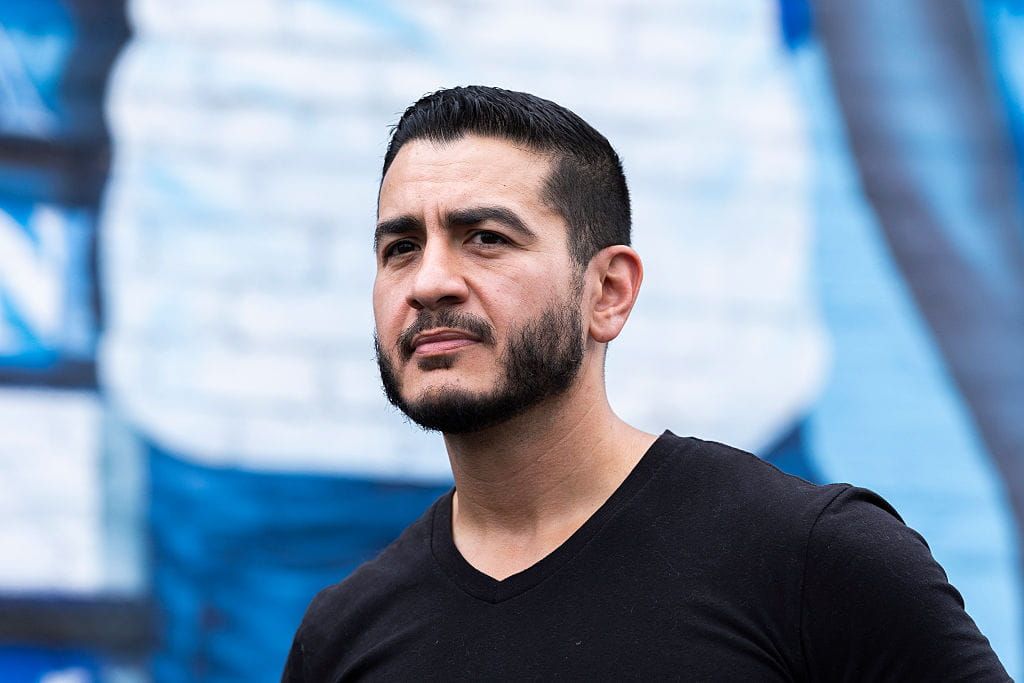
Abdul El-Sayed narrowly captured the Michigan Democratic Senate nomination, edging out Haley Stevens 48.5% to 47.5%, and now faces GOP nominee Mike Rogers while igniting serious tensions inside his own party.
El-Sayed’s win in one of the cycle’s tightest contests changes the map in Michigan and hands Democrats a candidate who energizes the left while alarming moderates. The margin was razor-thin, and the result immediately exposed factional fault lines that could shape the midterms. Expect both national parties to treat this race as a test of broader narratives about electability and ideology.
Beyond the raw numbers, El-Sayed’s candidacy brings a mix of policy positions and personal affiliations that many Democrats find uncomfortable. His statements and associations on the Israel question in particular have provoked sharp debate inside the party. Those tensions complicate the message Democratic operatives will try to sell to suburban and swing voters this fall.
“Is the Democratic establishment shaking in its boots at the specter of Abdul El-Sayed representing their party in a crucial swing state that Trump won by 80,000 votes? In a word, yes, despite their happy talk about a ‘big tent’ that is open to all comers, from moderates to communists, apparently.”
That passage has circulated widely and underlines why party elders are jittery. El-Sayed has high-profile endorsements from figures like Senator Bernie Sanders and Representative Alexandria Ocasio-Cortez, signaling his place on the party’s left flank. For some voters, that coalition is energizing; for others, it raises red flags about priorities and tone heading into November.
Close allies and associates matter a lot in modern politics, and El-Sayed’s connections have become a central talking point. One prominent associate, Hasan Piker, has been quoted saying “America deserved 9/11,” a line that opponents will exploit relentlessly to paint El-Sayed with a guilt-by-association brush. Combined with El-Sayed’s own criticisms of Israel and calls to halt certain arms sales, these relationships give Republicans a potent set of attack lines.
Republican strategists already see an opening to frame the Michigan contest as a referendum on where the Democratic Party is headed. The argument they will pitch to voters is straightforward: a Senate with members who oppose close U.S. allies on key security issues is a Senate that will change course on long-standing foreign policy commitments. That argument may resonate with voters who care deeply about national security and the U.S.-Israel relationship.
Internal reactions on the left and center have been uneven, with prominent voices signaling discomfort. When well-known commentators on both sides of the spectrum publicly distance themselves from fiery influencers, it amplifies the perception of disorder. Senate leaders who must balance votes, fundraising, and messaging will find navigating this landscape especially tricky as the calendar tightens.
Michigan’s result also has practical implications for turnout, fundraising, and volunteer enthusiasm on both sides. An energized left could boost Democratic turnout in some precincts while alienating moderates in others, creating a volatile electoral mix. Meanwhile, Republicans will likely pour resources into a campaign aimed at turning El-Sayed’s baggage into a statewide liability.
The coming weeks will reveal whether El-Sayed can pivot toward a general election pitch that broadens his appeal or whether the controversies will harden into enduring vulnerabilities. Either way, Michigan has become one of the clearest examples this season of how intra-party dynamics and high-profile endorsements can reshape a single contest. Voters in the state will get to decide whether that reshaping plays to El-Sayed’s advantage or hands the upper hand to his opponent.

