

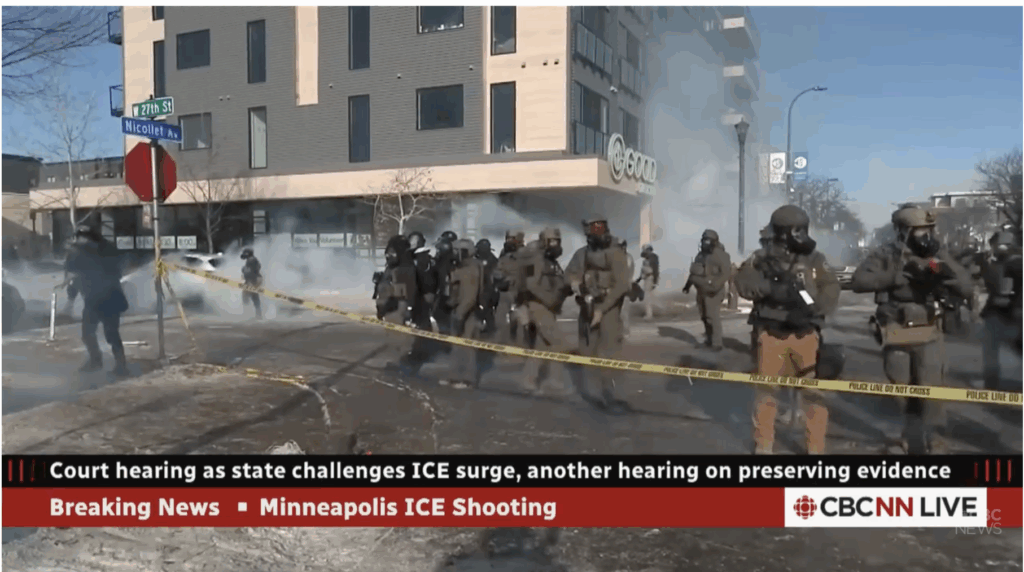
The father of a woman killed by a drunk illegal alien says appeasing sanctuary mayors and violent radicals will make more victims.
The grief of a father who lost his daughter to a drunk illegal alien is raw and direct, and his warning is blunt: policies that reward lawbreaking and kowtow to militants put public safety at risk. From a Republican perspective, his statement isn’t just emotional — it’s a straightforward demand for accountability and common-sense enforcement. This article examines the collision of human tragedy and policy choices that too often leave victims’ families asking why basic law and order weren’t upheld.
When a person loses a loved one to criminal behavior by someone in the country unlawfully, the event exposes gaps in enforcement and consequences. Families expect the state to prioritize safety and to remove dangerous actors from our streets, regardless of their immigration status. The father’s comment points to a broader concern: when cities or officials refuse cooperation with federal immigration authorities, it can hinder justice and prolong risks to communities.
Sanctuary policies were sold as a way to protect vulnerable immigrants and improve trust between communities and police, but critics say the reality often diverges from the promise. Critics argue that blanket noncooperation creates loopholes that criminals can exploit, especially if arrests or detentions fail to trigger immigration reviews. From this view, selective enforcement erodes deterrence and signals that breaking our laws carries limited consequences.
Accountability matters on multiple levels — from the person who drove drunk to the local officials who decide which laws to enforce. The father’s plea is a human plea for consequence and for leaders who will not prioritize political symbolism over public safety. Republicans typically emphasize that compassion and order are not mutually exclusive; enforcing the law protects communities and the vulnerable alike.
There’s also a cultural element at play: tolerance of lawbreaking in the name of ideology creates resentment and fear among ordinary citizens. Voters who see repeated examples of crime followed by lenient policy lose trust in institutions tasked with keeping them safe. That erosion of trust has a political cost and a moral cost, and it fuels calls for clearer standards and firmer actions.
Law enforcement professionals often say cooperation between local and federal authorities is essential to remove repeat offenders and prevent tragedy. When local officials decline that cooperation, it removes tools police need to protect the public. The father’s warning emphasizes practical outcomes, not abstract debates: failed cooperation can translate directly into new victims and broken families.
Policy responses that respect both the rule of law and individual dignity are possible, but require tough choices many sanctuaries avoid. Stronger border controls, better interior enforcement, and a firm commitment to detaining and deporting those who pose threats are common Republican prescriptions. Those measures are framed as basic steps to restore predictability to the criminal justice system and to limit opportunities for dangerous people to remain free.
At the same time, public officials must communicate honestly about the consequences of policy choices, rather than hide behind slogans or ideological defenses. Families who suffer at the hands of violent or reckless individuals deserve clear answers and visible remedies. The father’s statement is a call for truth: leaders should stop minimizing the connection between permissive policies and real-world harm.
There’s a broader social compact under strain when victims feel sidelined by policy decisions that prioritize ideology over safety. Elected officials answer to residents who expect streets, schools, and neighborhoods to be safe. Republicans emphasize the primacy of that duty and argue that protecting citizens is the first obligation of government.
The father’s voice is a reminder that policy debates have human stakes and real consequences. When a community tolerates ambiguity about enforcement, it risks normalizing outcomes that devastate families. That’s the practical lesson he’s urging policymakers to reckon with: clear rules, consistent enforcement, and accountability are how victims’ pain is prevented from becoming someone else’s tragedy.
Ultimately, the conversation triggered by this loss will center on how we balance compassion with the need for public safety and rule of law. Republican perspectives tend to start with the premise that secure borders and firm interior enforcement keep communities safer. The father’s plea amplifies that argument by putting a face on the consequences of policies he believes let dangerous people remain free.
No policy replaces the loss a family endures, but how leaders respond matters. Honest enforcement, cooperation among agencies, and refusing to enable violent or reckless behavior are common-sense steps that many see as both humane and realistic. The father’s warning — that appeasing sanctuary mayors and violent radicals will make more victims — stands as a blunt reminder that choices in city halls and state capitals have life-or-death implications for real people.


1 Comment
The Zionist global elites along with Netanyahu & Israel (who virtually own America) know that the # 1 best & most effective way to destroy a Country is to inundate it with illegal immigrants. They did this with Ireland, The UK, Australia, Canada & the U.S. If the God fearing, Family loving, Humanity caring, Freedom embracing good guys don’t stand up to the tyrannical synagogue of satan we will be doomed. Almighty God can’t get here soon enough to obliterate these evil demons off the planet.