

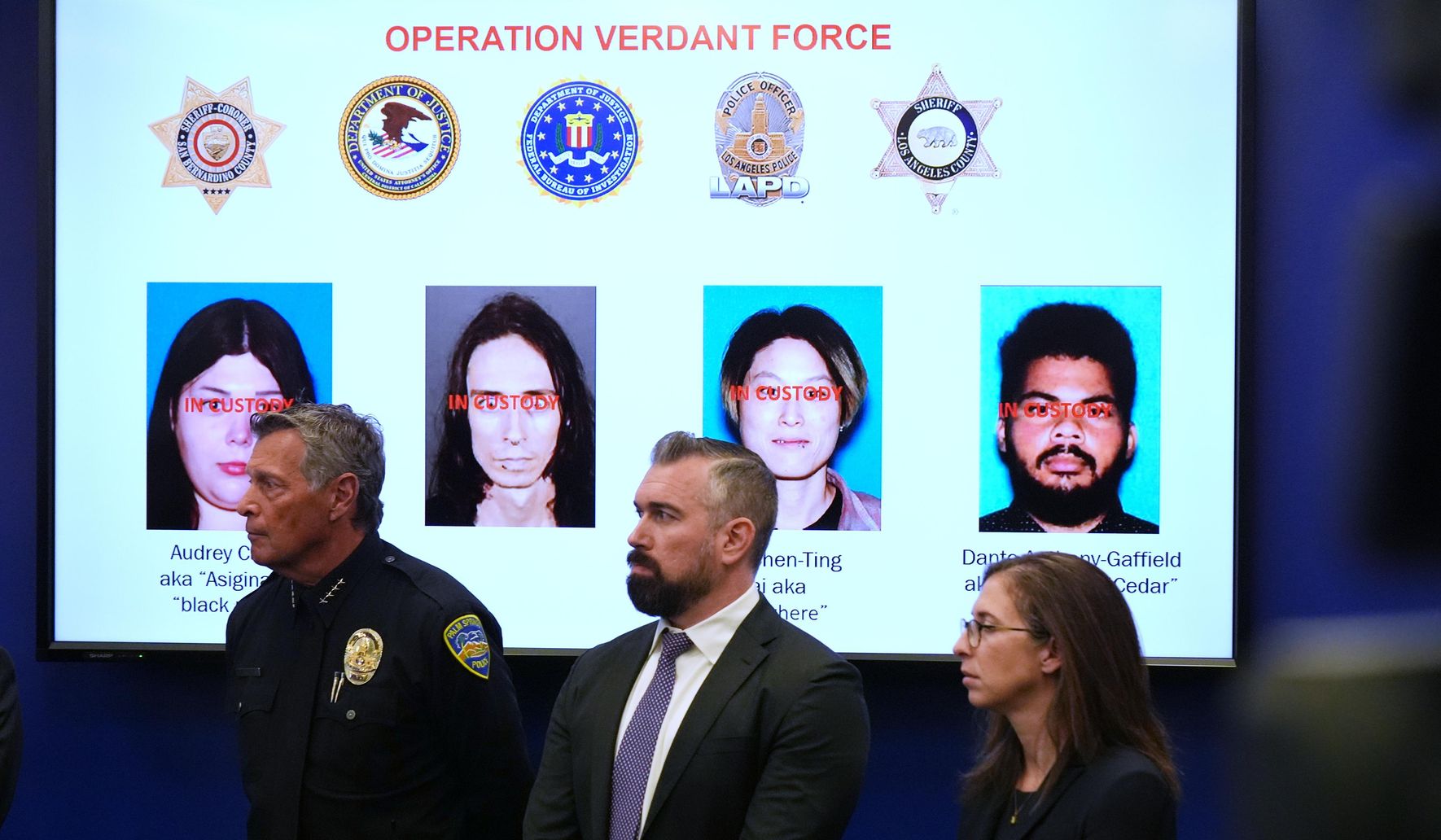
Federal authorities on Monday said they foiled a planned New Year’s Eve bombing in Los Angeles that was schemed up by members of a pro-Palestinian extremist group.
Federal authorities on Monday said they foiled a planned New Year’s Eve bombing in Los Angeles that was schemed up by members of a pro-Palestinian extremist group. The announcement landed like a cold splash for residents who expected the holidays to be safe and uneventful. Officials described the disruption as the result of investigative work that stopped the plot before anyone was harmed.
The risk of an attack on a holiday that draws big crowds is obvious, and the timing made the alleged scheme particularly alarming. Investigators say they moved quickly after picking up credible leads, with the intent of preventing chaos and loss of life. Much of the early messaging from authorities stressed the operation was preemptive and aimed at keeping the public safe.
Details about how the plot was organized are still emerging, but the central fact is straightforward: a planned bombing was stopped. That simple sentence carries weight when you consider public spaces packed with families and commuters on New Year’s Eve. For many people, the news underscored how exposed soft targets can be when extremist actors set their sights on major events.
Watching how radical ideas cross borders and take root here at home matters, because foreign conflicts can inspire violent fringe movements inside the United States. The phrase pro-Palestinian extremist group points to a political cause that, for a minority, has turned into justification for violence. Hard truths about radicalization mean law enforcement and communities both have to stay alert to sudden shifts from protest to plot.
From a law-and-order perspective, this case feeds a familiar argument: we need robust tools to detect and stop terrorism before it reaches the street. That case is not an abstract political talking point, it is a practical reality after federal authorities said they foiled a planned New Year’s Eve bombing in Los Angeles that was schemed up by members of a pro-Palestinian extremist group. Protecting citizens requires intelligence, coordination, and legal authorities to follow through.
There will be pushback from civil liberties advocates, and that debate is important, but it should not drown out the basic obligation to keep people safe. Oversight matters, but so does the ability of investigators to act on reliable information. When plots are disrupted, the public benefits from transparency about how the threat was uncovered while still preserving the integrity of ongoing investigations.
Communities in Los Angeles and elsewhere felt the ripple effects of the alert, from added police presence at large venues to anxious conversations among families. Those reactions are understandable, and they show why prevention has to be part of our planning for big events. Organizers and law enforcement now face the challenge of balancing open public spaces with sensible precautions that do not turn celebrations into fortresses.
Legally, the next steps will be the usual ones: arrests processed, charges filed in federal court, and a judicial process that sorts evidence and intent. Expect prosecutors to pursue federal offenses tied to terrorism, explosives, or conspiracy if the facts support those counts. Courts will then determine accountability under the rule of law, which is central to how we respond to domestic threats.
For the broader public, the incident is a reminder that threats can surface unexpectedly, but also that prevention is possible when agencies work effectively. Officials say investigations are ongoing, and further developments may reveal more about the plotters, their networks, and any assistance they received. The situation is still unfolding, and authorities are continuing their work to piece together the full picture.
What remains clear is this: when federal authorities on Monday said they foiled a planned New Year’s Eve bombing in Los Angeles that was schemed up by members of a pro-Palestinian extremist group, the immediate job was to stop violence. Beyond that, the longer work of preventing future plots, prosecuting those responsible, and keeping communities feeling secure is underway. Authorities have emphasized continued vigilance as they pursue leads and build cases.

